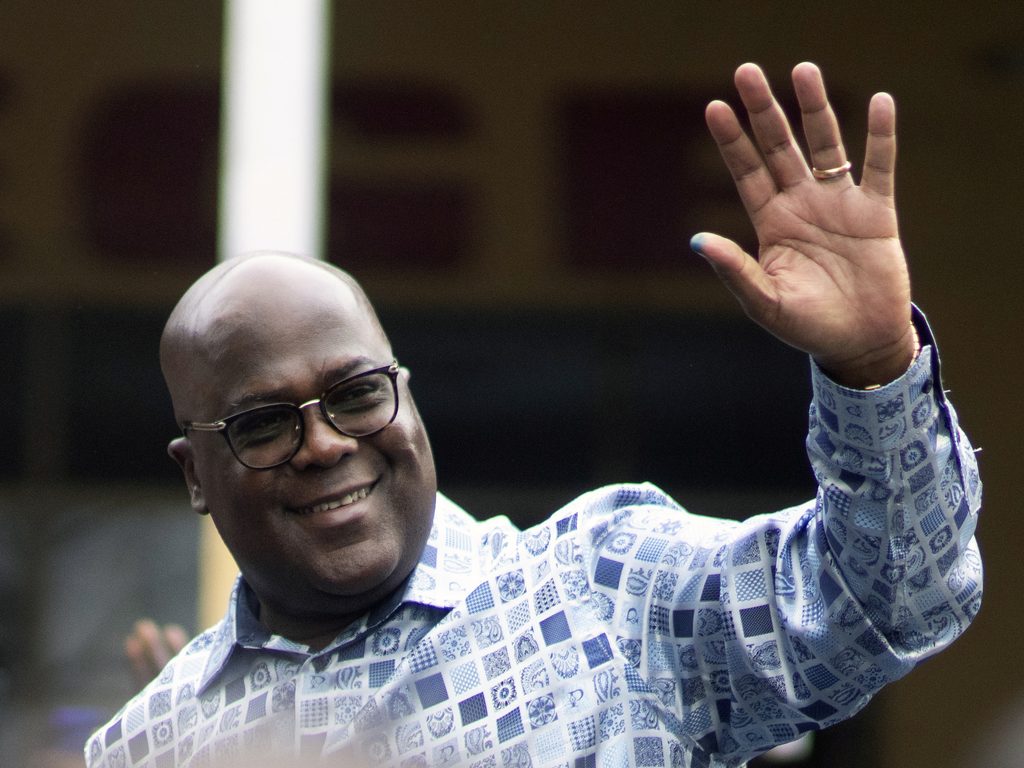
Democratic Republic of Congo President Felix Tshisekedi has signed a decree establishing a committee to organise a proposed national dialogue, drawing opposition criticism over the presidency’s control of the process.
The decree, signed on Sunday, lays the groundwork for initial preparations but does not formally convene the talks, Radio France Internationale (RFI) reported.
The committee will identify the dialogue’s financial, technical, logistical and security needs and submit options to Tshisekedi for establishing a preparatory committee.
Although Tshisekedi will not personally chair its meetings, the body will operate under his direct authority. He will appoint and have the power to dismiss its coordinator, deputy coordinator and members, and will also select the 11 experts serving in its technical secretariat.
The committee will receive instructions from the president’s chief of staff and report through progress notes, briefings and reports. Tshisekedi will also determine how it communicates with the public.
The decree does not begin the three-month period the president has set for the dialogue, as the process remains at the preparation stage.
It leaves the committee’s membership, participation criteria, timetable and discussion topics unspecified, according to RFI.
Opposition figures said the structure reinforced their concern that the government would act as both a participant in the talks and the authority controlling their organisation.
Ferdinand Kambere, deputy permanent secretary of former president Joseph Kabila’s People’s Party for Reconstruction and Democracy (PPRD), dismissed the decree as a routine event, arguing that it showed Tshisekedi was not genuinely seeking a dialogue for peace.
Moise Katumbi’s Together for the Republic party, part of the C64 opposition coalition, warned of a potential failure and said protests planned for September 15 against any constitutional changes would go ahead.
Party secretary-general Dieudonne Bolengetenge told RFI that Tshisekedi had demonstrated bad faith and that defending the constitutional order remained the opposition’s priority.
Martin Fayulu’s Lamuka coalition took a similar position. Spokesman Prince Epenge accused the presidency of attempting to placate the public while pressing ahead with its own plans.
He said the opposition still wanted an inclusive dialogue capable of ending the war and enabling elections in 2028, but rejected a process it viewed as a sham.
Paul Nsapu, head of Congo’s human rights commission, struck a more measured tone, urging peaceful negotiations without violence, incitement or appeals that undermine democratic values.
He said the commission would monitor the process, condemn any violations and demand accountability.
The government broadly welcomed the decree, while religious leaders have yet to make their position clear.
Cardinal Fridolin Ambongo announced the prospect of a dialogue in July, but the churches have since remained silent. Discussions with the presidency are continuing, according to RFI, although religious leaders are not expected to join the organising committee.