The United Arab Emirates’ longstanding economic and military partnerships in the Horn of Africa have returned to the spotlight after Somali President Hassan Sheikh Mohamud renewed accusations of interference against Abu Dhabi on Tuesday.
The UAE, which has invested hundreds of millions of dollars in regional infrastructure and supported Somali forces in their fight against terrorism, has previously rejected allegations of interference and affirmed its commitment to Somalia’s territorial integrity.
Abu Dhabi had not immediately responded to Mohamud’s latest remarks.
In a joint statement with the African Union Commission on January 6, the UAE reaffirmed its support for Somalia’s sovereignty, security and stability, underscoring its publicly stated position on the country’s territorial unity.
Mohamud, speaking in a televised address, accused the Emirates of establishing military facilities and supporting armed formations outside the federal government’s command structure.
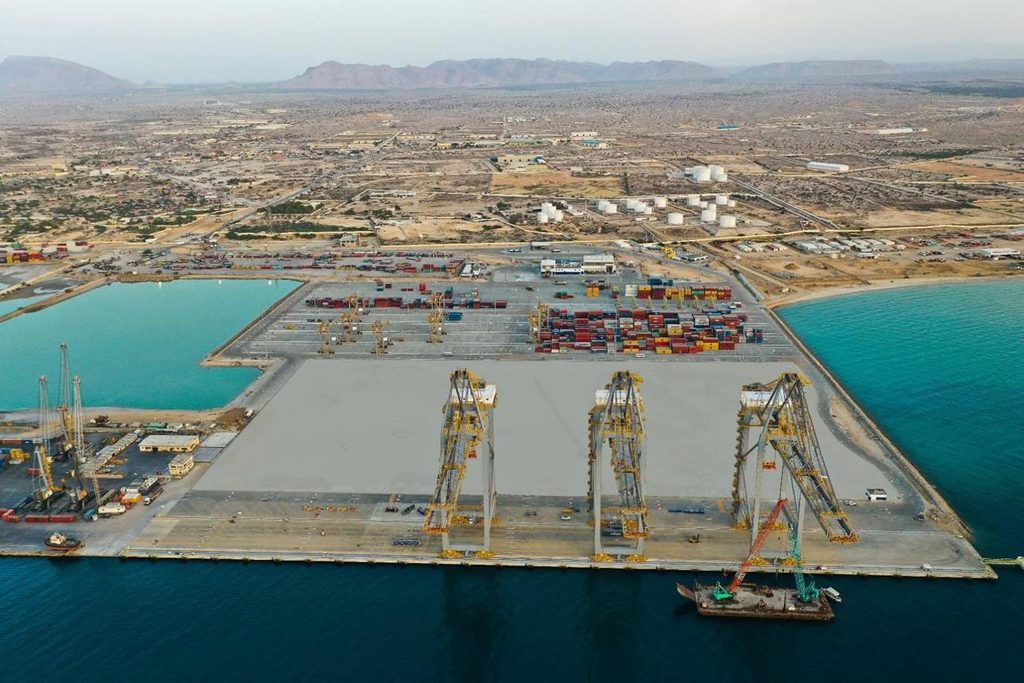
He also criticised Emirati agreements involving the strategic ports of Berbera, Bosaso and Kismayo, alleging that they bypassed Mogadishu’s authority.
However, Somaliland, Puntland and Jubaland have separately rejected the federal government’s January decision to terminate agreements with Abu Dhabi, exposing longstanding disagreements over the distribution of power within Somalia. Reuters
Dubai-based logistics giant DP World has committed up to $442 million to developing and expanding Berbera port, a major commercial gateway linking the Horn of Africa with international markets.
Following Mogadishu’s announcement in January, DP World said its operations at Berbera would continue under existing agreements, emphasising the economic benefits of its investments for the wider region.
The UAE has also invested in port infrastructure in Puntland and supported maritime security operations aimed at combating piracy and terrorism.
Its military cooperation with Somalia has come at a human cost. In February 2024, Emirati military personnel were killed in an attack while training Somali soldiers under a bilateral defence agreement with Mogadishu.
Mohamud further alleged that Abu Dhabi had played a role in Israel’s recognition of Somaliland and facilitated the departure of Yemeni separatist leader Aidarous al-Zubaidi through Berbera in January.
The allegations come amid growing competition for political, military and commercial influence in the Horn of Africa, where Turkey, Egypt, Saudi Arabia and the UAE maintain strategic interests.
Relations between Mogadishu and Abu Dhabi have experienced repeated setbacks, including a 2018 incident in which Somali authorities confiscated $9.6 million from an Emirati aircraft.
The UAE condemned the seizure, maintaining that the funds were intended to support Somali military personnel, and subsequently suspended its training programme.
Despite the renewed tensions, Mohamud said his government remained open to restoring relations with Abu Dhabi on the basis of mutual respect and recognition of Somalia’s sovereignty.