A prominent supporter of Mali’s military authorities has accused Ukraine of carrying out the devastating attack on the Dioura army base, introducing a new and unsubstantiated theory into an assault already claimed by Al Qaeda-linked militants.
Malian activist and analyst Boubou Mabel Diawara claimed that Ukrainians attacked the central Mali base using more than 200 suicide drones and insisted that those responsible were not Islamist militants.
No independently verified evidence has emerged to support the accusation.
The September 10 attack was publicly claimed by Jama’at Nusrat al-Islam wal-Muslimin, or JNIM, Al Qaeda’s powerful Sahel affiliate, which subsequently released statements and footage purporting to document the operation and show Malian soldiers captured during the fighting.
Ukraine theory enters the battle over Dioura
Diawara, an outspoken supporter of Mali’s military-led government, said in a video published on X that Ukrainian forces had deployed more than 200 one-way attack drones against the Dioura camp.
He went further, arguing that the attackers “were not terrorists” but Ukrainians and claiming Malian troops had withdrawn from their positions during the assault.
The allegations have not been corroborated by the Malian authorities or independently verified reporting.
They also sit uneasily alongside the extensive public claim of responsibility issued by JNIM.
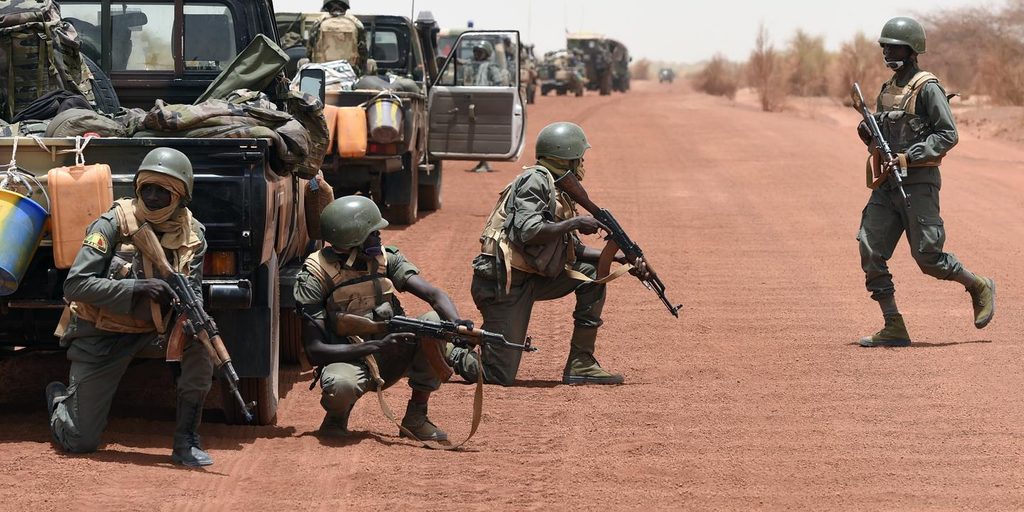
The group said its fighters stormed the Dioura position and took control of the base before withdrawing. Mali’s armed forces separately confirmed at the time that the Dioura sector had come under attack and said military operations had been launched in response.
JNIM later claimed it had killed 150 soldiers and captured 93 others, publishing images and video it said showed prisoners and equipment seized during the assault. Those figures have not been independently verified.
A much wider information war
The Ukraine allegation comes against the backdrop of worsening relations between Kiev and the military governments of the Sahel, which have drawn increasingly close to Russia.
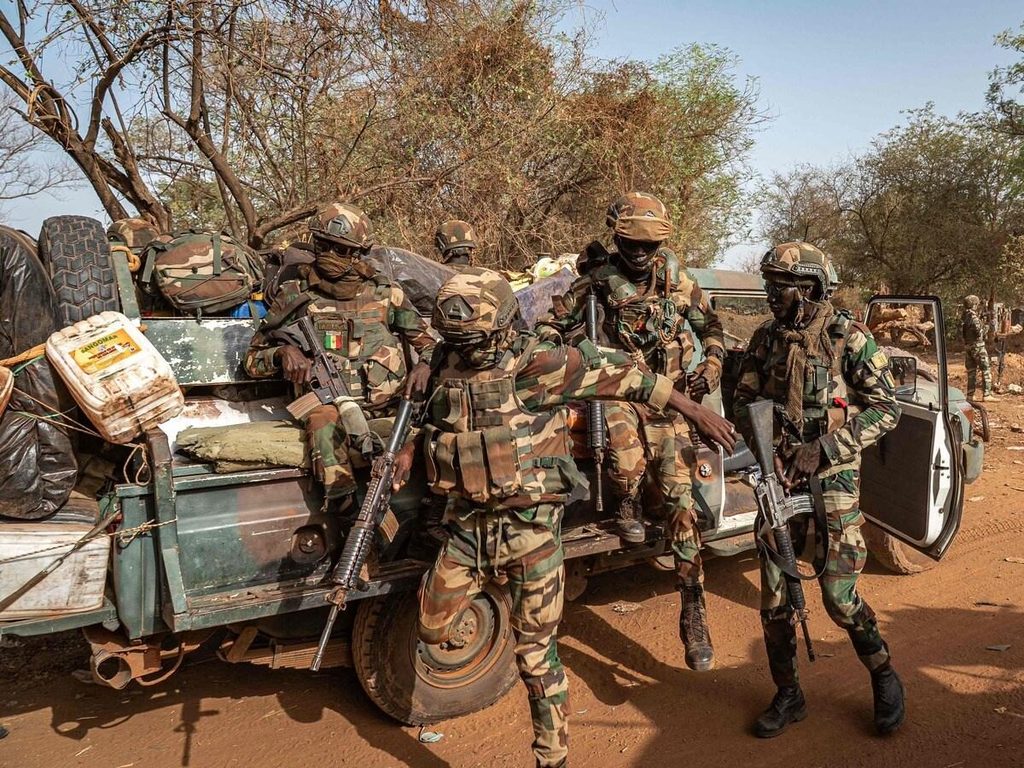
Mali has turned heavily towards Moscow for military support after breaking with several Western partners, with Russian Africa Corps personnel operating alongside Malian forces.
That geopolitical rivalry has increasingly spilled into the information war surrounding Mali’s insurgency, with accusations involving Russia, Ukraine and Western governments frequently circulating alongside battlefield claims.
But in the case of Dioura, the publicly available evidence continues to point to JNIM as the force behind the attack.
The group claimed the operation from its outset, while the African Center for Strategic Studies reported on September 10 that JNIM said it had taken control of the Dioura camp before withdrawing, citing regional reporting.
Attack already claimed by JNIM
Dioura has repeatedly been targeted by JNIM as the Al Qaeda affiliate expands operations across central Mali.
The September assault formed part of a wider escalation in militant activity against Malian military positions and forces allied with Russia.
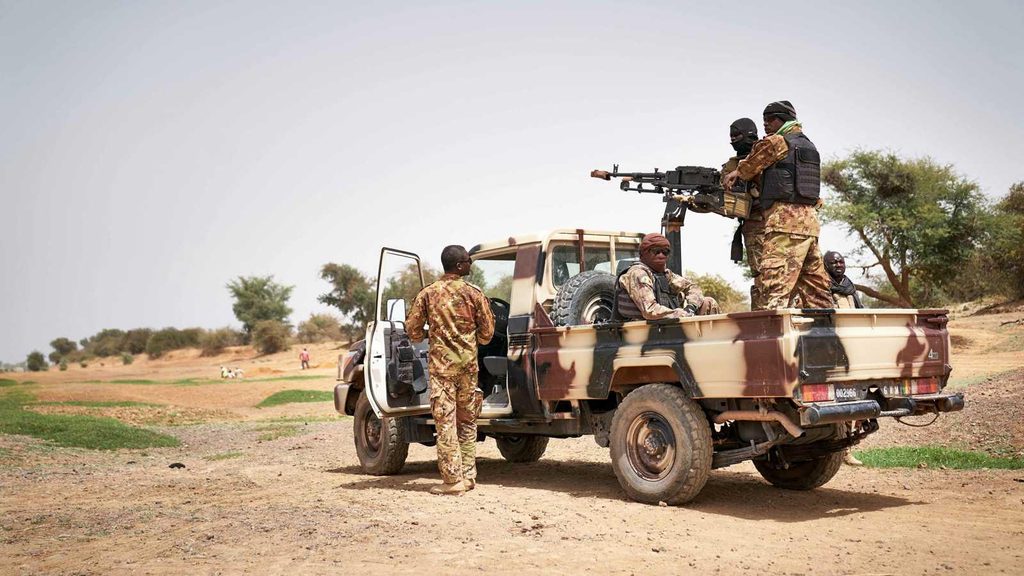
Malian troops have continued counter-operations, with the army saying after the attack that strikes and ground operations had killed dozens of militants and destroyed vehicles and motorcycles.
The scale of the military losses became clearer only days later, with multiple sources telling AFP that at least 100 Malian soldiers and five Russian Africa Corps personnel had been killed — a casualty figure already reported separately.
For now, however, the allegation of direct Ukrainian involvement remains just that: an allegation promoted by a pro-government activist, without publicly presented evidence overturning JNIM’s own claim of responsibility for the Dioura assault.