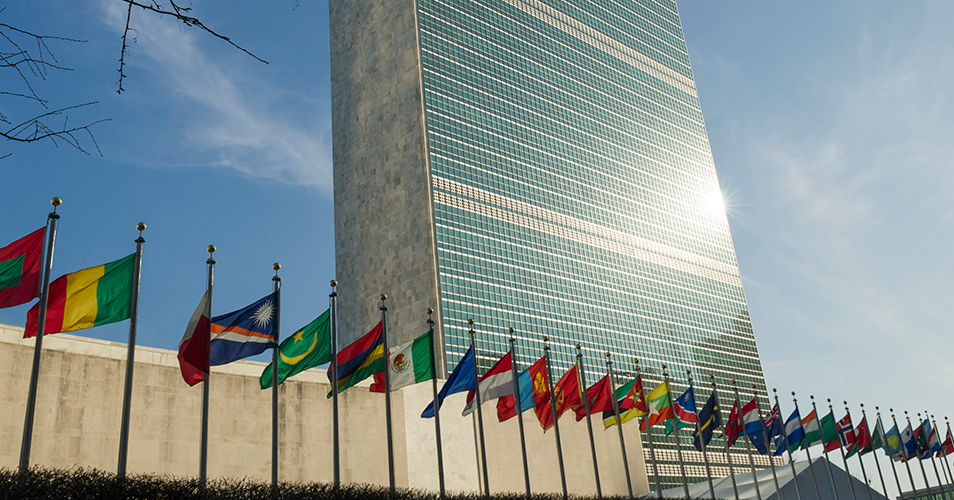
In an appeal for peaceful resolution, United Nations Secretary General Antonio Guterres called on Addis Ababa and Mogadishu to engage in dialogue to settle their dispute over Ethiopia’s recent maritime agreement with the breakaway region of Somaliland.
Tensions in the Horn of Africa escalated following Ethiopia’s landlocked deal with Somaliland on January 1, granting Ethiopia coveted access to the sea. In return, Somaliland, which declared independence in 1991, stated that Ethiopia would formally recognize its sovereignty, a claim not yet confirmed by Addis Ababa.
On Thursday, Somalia rejected mediation with Ethiopia unless the deal was canceled and vowed to use “all legal means” to oppose it.
Addressing a press conference at the G77 plus China summit in the Ugandan capital, Guterres emphasized the importance of principles related to the unity, sovereignty, and territorial independence of countries, including Somalia. He expressed hope that dialogue could resolve the current situation.
Guterres’ comments echoed calls from the United States, China, the European Union, African Union, and Arab League, all urging respect for Somali sovereignty.
Ethiopia and Somalia have a history of tense relations and territorial disputes, having fought two wars in the late 20th century. Mogadishu labels the maritime pact an “act of aggression” by Ethiopia, which insists no laws have been violated.
Under the agreement, Somaliland leased 20 kilometers (12 miles) of its coast to Ethiopia for 50 years, allowing Ethiopia to establish a naval base and a commercial port.
Somalia strongly opposes Somaliland’s claim to independence, a stance not recognized by the international community. Ethiopia, the second most populous African country, lost its coastal access when Eritrea seceded and declared independence in 1993.
Since then, Ethiopia has relied on Djibouti for most of its sea trade after the 1998-2000 war with Eritrea ended access to an Eritrean port.
While Somaliland enjoys relative stability, Somalia has endured decades of civil war and a persistent Islamist insurgency.