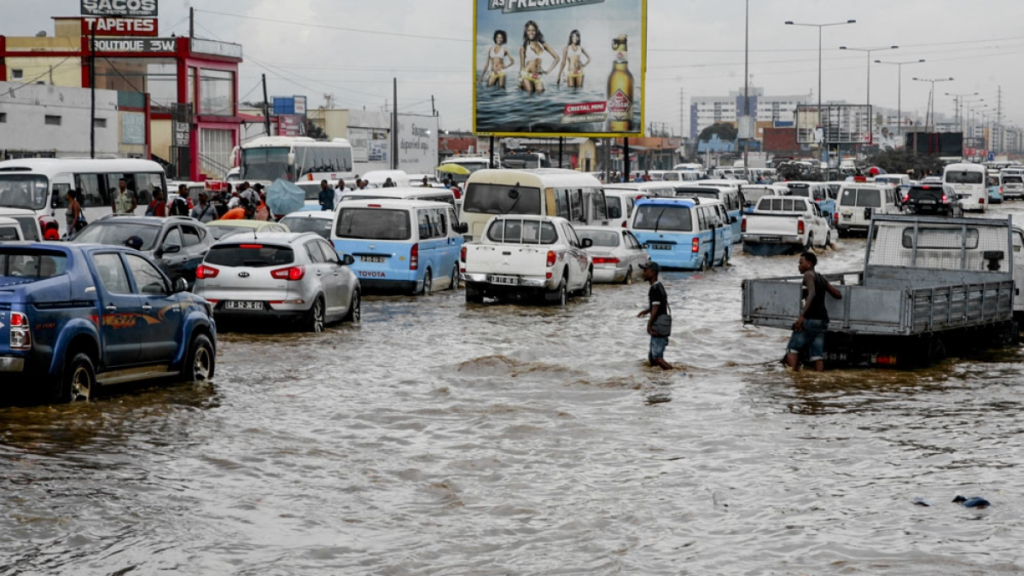
The United Nations World Food Programme (WFP) has warned of a rapidly escalating threat to food security across East Africa due to relentless heavy rains.
“Eastern Africa is being lashed by the extremes of climate change – from no water to too much water is resulting in a catastrophe,” said Michael Dunford, WFP regional director in Eastern Africa.
The downpours are reversing the region’s fragile recovery efforts following a devastating drought less than a year ago. WFP reports that nearly 3 million people in East Africa have been affected, with over 1.2 million forced to flee their homes.
“Severe floods are causing devastation, illustrating how an erratic climate continues to punish the region. With more rain forecast, I fear that the worst is yet to come,” Dunford warned.
Somalia, Ethiopia, and Kenya are facing the most severe consequences, but Sudan, South Sudan, Burundi, and Uganda are also feeling the impact.
The heavy rains, expected to continue until early 2024, raise serious concerns about the region’s ability to handle the growing humanitarian crisis.
In addition to the immediate displacement of populations, the long-term impact on agricultural productivity and food supplies is a major concern.
The floods have already taken a tragic toll, with hundreds of lives lost, including 160 confirmed deaths in Kenya alone.
The situation is particularly alarming given that East Africa recently endured the worst drought in 40 years, and the current rains threaten to undermine any progress made in recovery efforts.
The WFP has emphasized the urgent need for international support to address this crisis. This includes providing immediate relief to those displaced and implementing sustainable solutions to mitigate the long-term impact on food security.
“Developed nations currently at the UN Climate Change Summit in Dubai must step up and assist countries like Somalia and Ethiopia, which are disproportionately paying a high price for the climate crisis,” Dunford urged.
The current floods are primarily attributed to El Niño, a climatic phenomenon marked by periodic warming of sea surface temperatures. El Niño has significantly altered rainfall patterns, increasing the risk of extreme weather events like these floods.
East Africa is facing a complex and multifaceted crisis, and urgent action is required to address the immediate needs of those affected and to build resilience for the future.