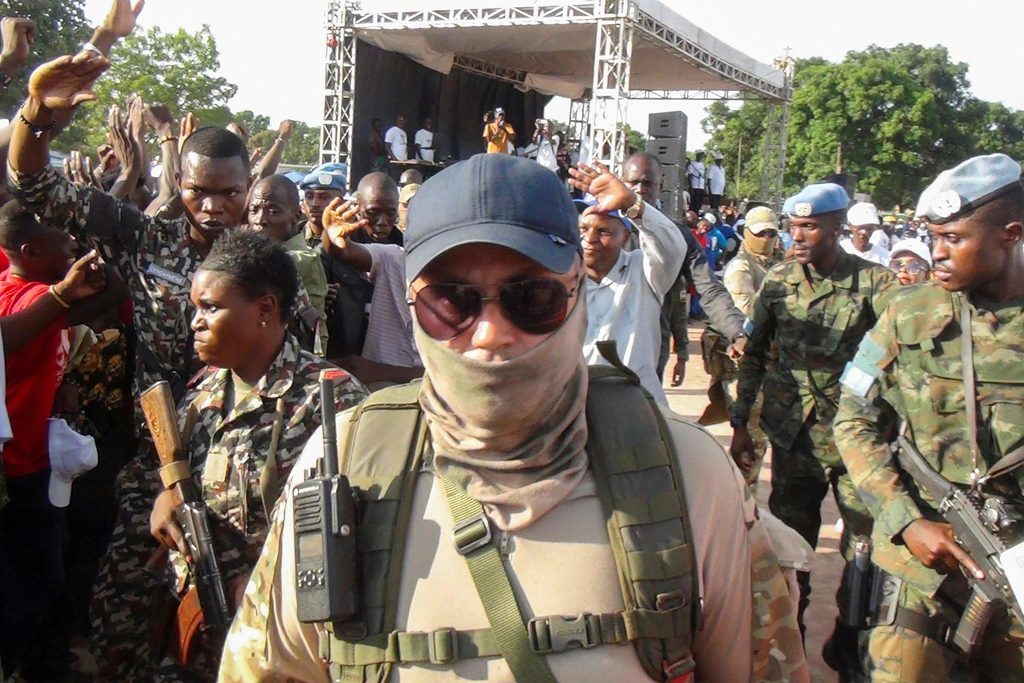
A dispute over the future of Russia’s Wagner Group in the Central African Republic has reportedly strained diplomatic relations between Moscow and Bangui, as both the country’s government and Wagner commanders resist demands for the group’s withdrawal.
A Central African diplomatic source told Erem News on Saturday that Russia had formally requested the withdrawal of Wagner personnel through diplomatic channels as part of a broader restructuring of its military operations across Africa.
However, the government of President Faustin-Archange Touadera has reportedly rejected the request, arguing that Wagner fighters have played an important role in combating armed groups and strengthening government control.
The source, speaking on condition of anonymity, said Moscow was increasingly frustrated by Bangui’s refusal to cooperate with its plans to replace Wagner with the Russian Defence Ministry-controlled Africa Corps.
The disagreement has reportedly created significant diplomatic tensions, raising concerns about the future of relations between the two longstanding security partners.
Mining interests complicate withdrawal
Wagner established a presence in the Central African Republic in 2018, providing military assistance and protection to Touadera’s government during the country’s prolonged civil conflict.
In exchange, companies linked to the Russian group secured access to valuable mining interests, including gold and diamonds.
Military analyst Amr Diallo told media that Wagner’s extensive economic interests would make its withdrawal particularly difficult.
He said the relationship between Wagner and Bangui had been built around an arrangement exchanging security assistance for access to natural resources.
According to Diallo, Wagner’s current leadership remains determined to preserve those arrangements, potentially undermining Moscow’s efforts to consolidate its African military operations under the Africa Corps.
He also argued that Russia possesses limited leverage over either Wagner’s commanders or the Central African government, complicating efforts to enforce the transition.
Dispute over security payments
Political analyst Qasim Keita said the disagreement reflects a broader dispute over the financial terms of Russian military assistance.
Unlike Wagner’s existing arrangements, which have relied heavily on mining concessions, Moscow reportedly wants Bangui to pay directly for the services of Africa Corps personnel.
Keita said the Russian Defence Ministry was seeking payments potentially amounting to millions of dollars each month.
The Central African government, however, has reportedly argued that it cannot afford such costs, particularly when Wagner’s existing security arrangements remain operational.
Bangui has also expressed concerns about replacing experienced Wagner personnel who have spent years operating alongside government troops.
Moscow’s wider African strategy
Russia began reorganising Wagner’s overseas operations following the death of its founder, Yevgeny Prigozhin, in a plane crash in August 2023.
The restructuring has involved expanding Africa Corps, a formation operating under the Russian Defence Ministry and comprising former Wagner fighters and Russian military veterans.
Moscow has sought to bring previously autonomous Russian security operations across Africa under greater state control.
However, Wagner’s entrenched military and commercial interests in the Central African Republic have complicated that transition.
The latest reported disagreement highlights tensions between Moscow’s efforts to centralise its African security operations and Bangui’s determination to preserve an established security partnership.