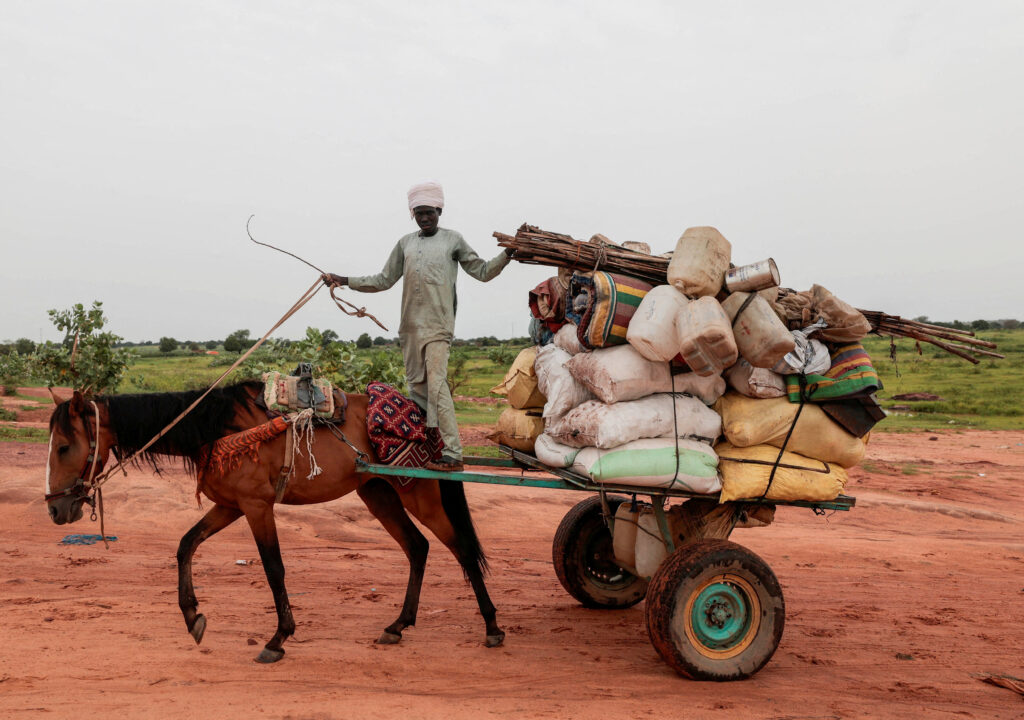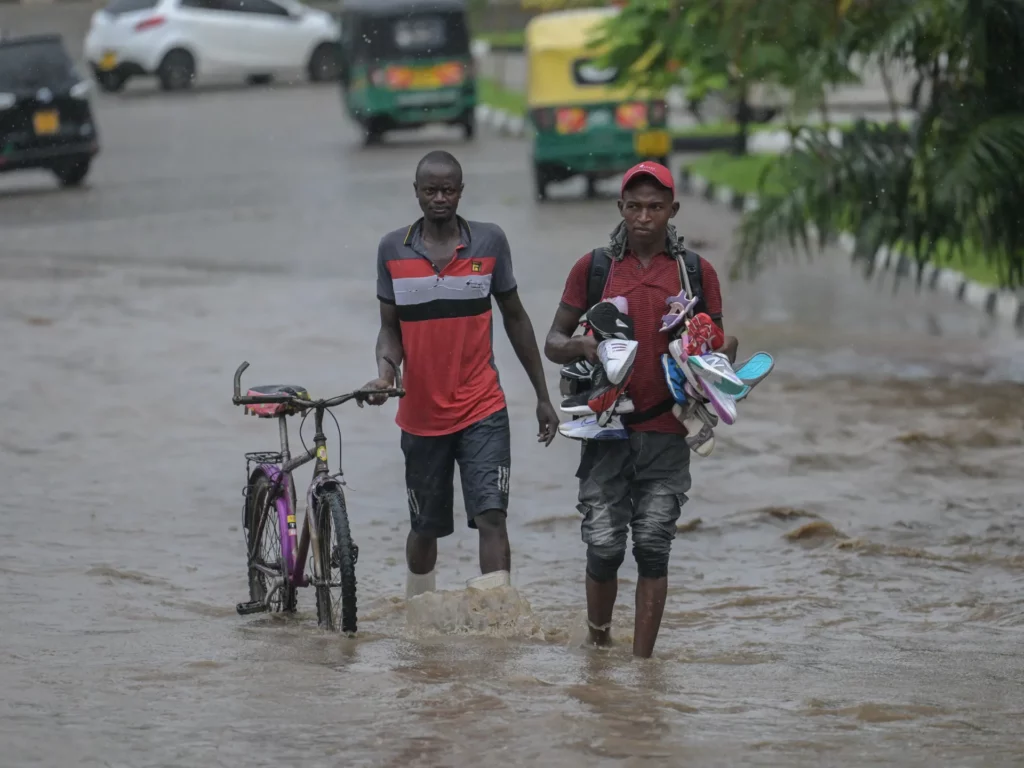
The most severe flooding to strike Somalia in decades has claimed the lives of 29 individuals and prompted over 300,000 to evacuate their residences, as reported by the National Disaster Management Agency on Wednesday.
Authorities have been engaged in an urgent mission to rescue numerous individuals marooned by the floodwaters. This flooding disaster has arrived on the heels of the region’s most severe drought in four decades.
“What is going on today is the worst for decades. It is worse than even the 1997 floods,” said Hassan Isse, managing director of the Somali Disaster Management Agency (SOMDA).
Isse pointed out that the death toll and the count of displaced individuals were anticipated to increase even more, as numerous individuals remained trapped by the floodwaters.
“I do not remember such floods in my life,” said Mohamed Farah, a local elder in Baidoa city, in southwest Somalia. “People keep on evacuating looking for high ground.”
According to the United Nations, over 2,400 individuals have been isolated in Luuq town, as the Jubba River overflowed its banks.
“Luuq is surrounded by the river and floods are threatening us. People keep fleeing out of the town. Some are still trapped. Our shops have been washed away,” said Ahmed Nur, a trader in Luuq.
Flooding in Kenya has resulted in the loss of a minimum of 15 lives, while in Uganda, a bridge has been submerged, causing the road connecting Kampala to the oilfields in the northwest to be severed. These updates were conveyed by the Kenya Red Cross and Uganda’s road authority.
The widespread deluge in the region was attributed to the simultaneous impact of two meteorological phenomena, El Niño and the Indian Ocean Dipole, as explained by Nazanine Moshiri, a climate analyst at the International Crisis Group.
El Niño and the Indian Ocean Dipole are climate patterns that influence ocean surface temperatures, resulting in increased rainfall compared to the usual levels.
“The impact of the flooding is much worse because the soil is so damaged from an unprecedented recent drought – years of conflict and al Shabaab militia’s presence also makes building flood defences and resilience more complex and costly,” Moshiri said.
Climate change is being cited by scientists as the driver behind more frequent and severe extreme weather events. In reaction to this, African leaders have suggested the implementation of global taxes and adjustments to international financial organizations to generate resources for climate change mitigation efforts.