Africa is emerging as a new frontier for Chinese automakers, which are shifting from vehicle exports toward local manufacturing across the continent.
The strategy targets Africa’s growing population, expanding middle class and rising demand for affordable electric vehicles and other models.
Chinese companies are also responding to slowing demand at home and increasing trade barriers in Europe and North America.
Chery, China’s largest auto exporter, acquired Nissan’s former Rosslyn plant near Pretoria in July to manufacture vehicles for African markets.
The facility will produce plug-in hybrids, battery-electric vehicles and models under Chery’s Jetour brand, marking a significant industrial shift.
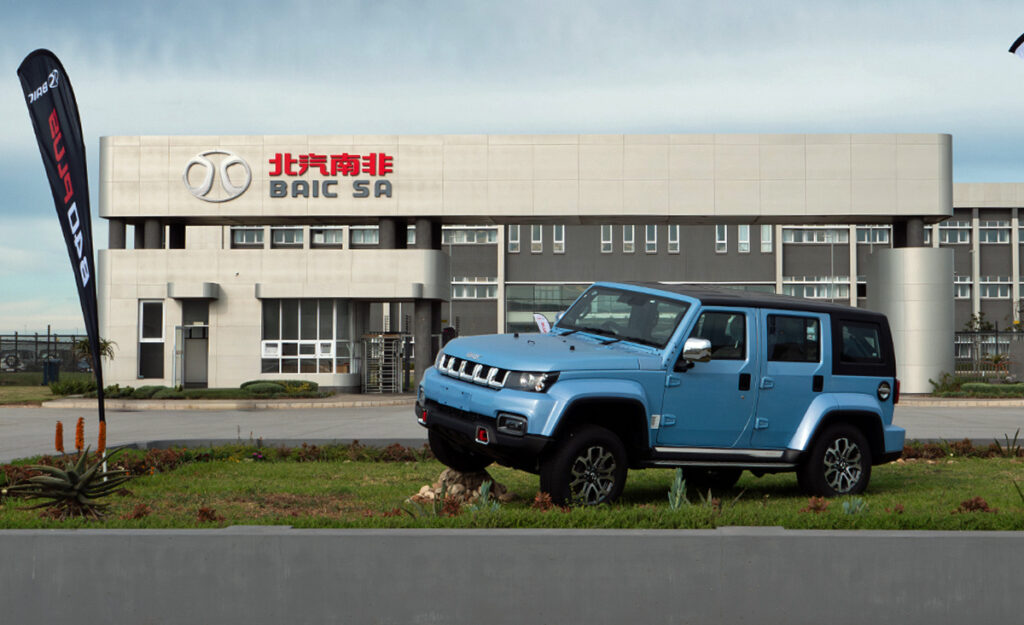
Other Chinese automakers, including BAIC and Great Wall Motor, have already established assembly and component operations in South Africa.
Analysts say South Africa, Morocco, Kenya, Ethiopia and Ghana are well positioned to attract further Chinese automotive investment.
Africa’s rapid urbanization and rising incomes are helping Chinese brands challenge European, Japanese and American manufacturers that traditionally dominated local markets.
Local production could lower vehicle prices by avoiding import duties while creating jobs and strengthening regional automotive supply chains.
Growing electric vehicle production could also encourage investment in charging infrastructure, battery manufacturing and critical mineral processing across Africa.
Morocco is planning Africa’s first large-scale battery gigafactory, potentially strengthening the continent’s emerging electric vehicle supply chain.
Governments are supporting the transition through incentives, with Ethiopia encouraging locally assembled EVs and South Africa offering manufacturing investment schemes.
However, unreliable electricity, limited charging infrastructure and uncertain tax and industrial policies could still discourage long-term investment.
Analysts say stable policies and reliable infrastructure will determine whether Africa becomes a genuine manufacturing base rather than simply an import market.