Climate change is tightening its grip on shea butter production across the Sahel, threatening the livelihoods of millions of women in West Africa. A report by Dutch broadcaster NOS says erratic rainfall, prolonged droughts, and intense downpours are steadily reducing yields and degrading nut quality.
Shea butter, also called karite butter, is made from nuts harvested from shea trees growing naturally across the Sahel and savanna regions. According to the Global Shea Alliance, more than eight million shea trees are lost every year to logging and mounting land pressure.
Obed Dadzie of The Savannah Fruits Company said climate disruption has left suppliers unable to meet rising global demand. He explained that irregular wet seasons weaken tree growth and reduce nut fat content, directly cutting butter production.
In many Sahelian areas, shea trees are still felled for firewood, despite their economic importance and environmental benefits. Beyond butter, the trees support local food systems by shading crops like millet from extreme and damaging heat.
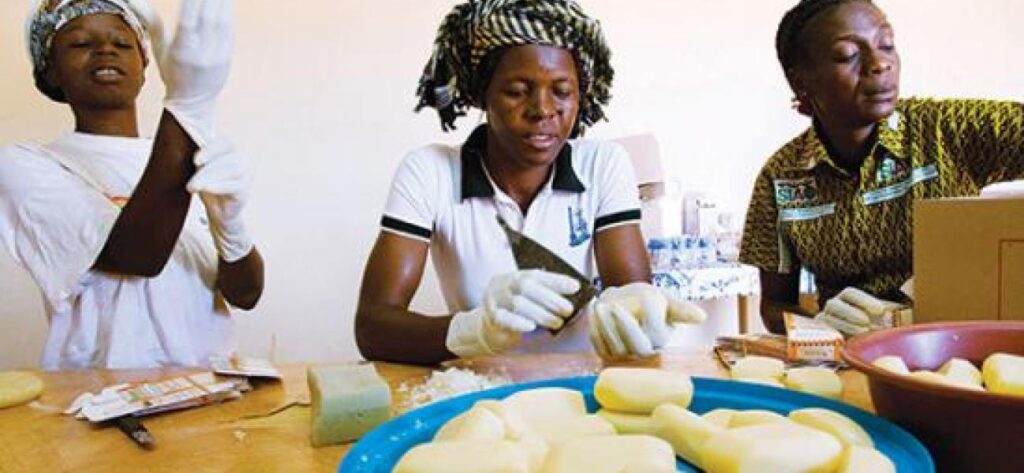
Environmental activist Mustafa Gerima said shifting rainfall patterns over decades have sharply reduced productivity in northern Uganda. He noted that rains once arrived in April or May, but now come much later, leaving trees stressed and less fruitful. The impact falls heaviest on women, who traditionally harvest and process shea through labour-intensive, artisanal methods. Known as “women’s gold,” shea butter supports families and education, even as shortages ripple into European cosmetic markets.