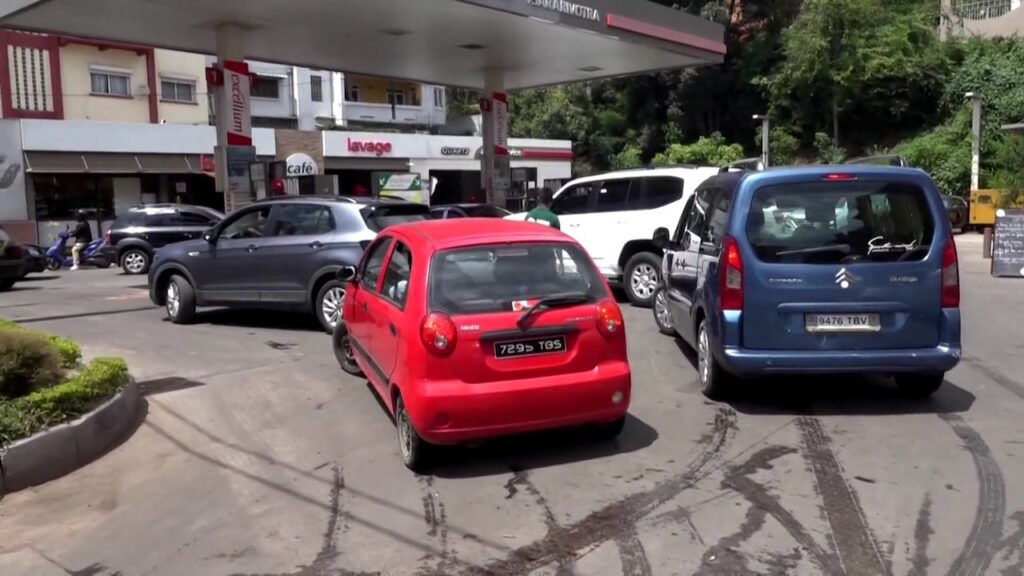
Madagascar declared a two-week nationwide energy emergency on Tuesday, as global tensions in the Middle East disrupted fuel supplies and strained the island’s fragile economy.
The Indian Ocean nation, heavily dependent on imported fuel, warned that delayed deliveries were already affecting electricity production, transport systems, and essential public services nationwide.
Government officials announced the decision after an emergency cabinet meeting, describing the situation as a deepening crisis threatening daily life and economic stability across the country.
Authorities said the emergency status would enable rapid interventions, granting officials expanded powers to stabilise fuel distribution and maintain uninterrupted public services during shortages.
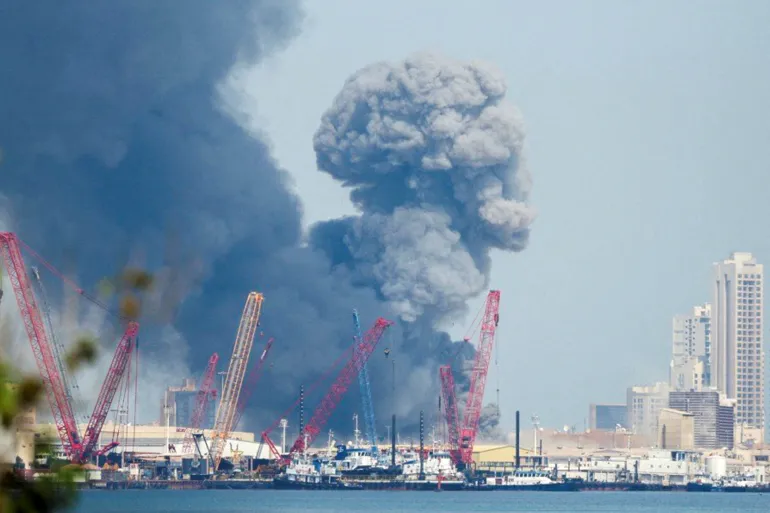
In a statement, the government linked the disruption directly to the Middle East conflict, whose shockwaves have unsettled global energy routes and exposed Madagascar’s reliance on imports.
Madagascar produces much of its electricity using fuel imports, leaving households and businesses vulnerable whenever international supply chains falter or geopolitical tensions escalate unexpectedly.
Most fuel shipments originate from Sohar in Oman, located roughly 150 kilometres south of the strategically vital Strait of Hormuz, a key artery for global energy trade.
Although shipments avoid passing directly through the strait, logistical delays of several days have emerged, slowing deliveries and tightening already fragile domestic energy reserves.
Officials said the emergency declaration aims to restore stability swiftly, preventing prolonged blackouts while ensuring hospitals, schools, and government services continue operating without disruption.
The crisis highlights how distant conflicts can ripple across oceans, turning geopolitical unrest into immediate hardship for nations dependent on imported energy supplies.