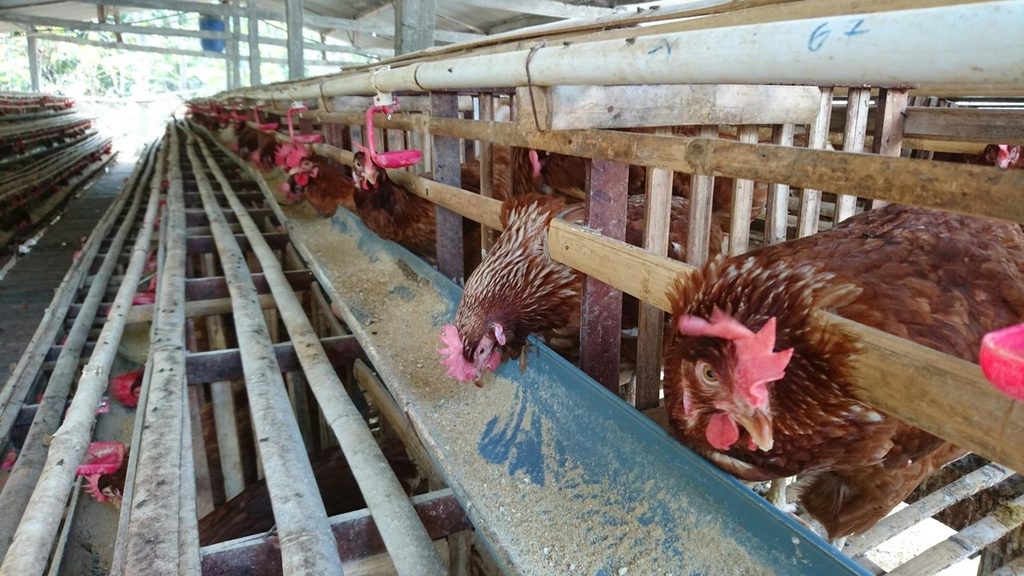
The SAF government has announced customs exemptions on imported maize and soybean meal in an effort to contain rising agricultural production costs as Sudan’s currency collapse and worsening food shortages threaten the country’s livestock and poultry industries.
Army-appointed Prime Minister Kamil Idris issued the decision on Tuesday, abolishing import duties and additional customs charges on imported maize while removing import duties on soybean meal.
Both commodities are widely used in commercial animal feed, particularly in poultry production, where rising grain prices have significantly increased operating expenses.
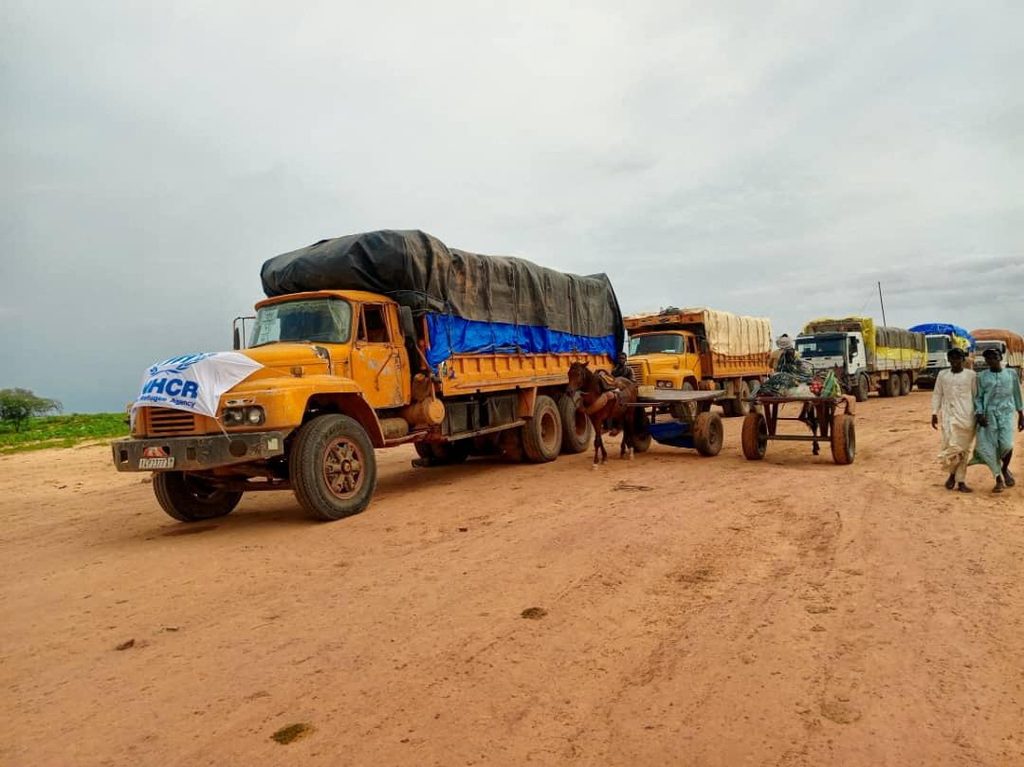
The decision follows mounting complaints from agricultural producers and livestock businesses struggling with shortages of raw materials, disrupted transport networks and declining domestic production.
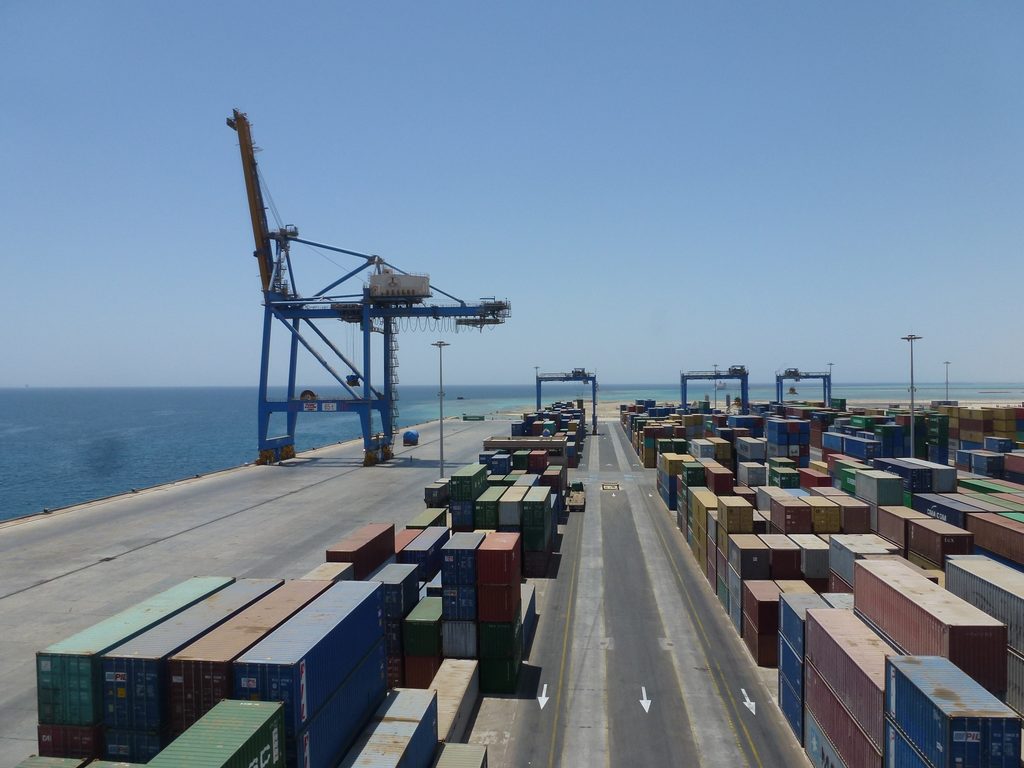
Idris also instructed officials responsible for ports and border crossings to introduce streamlined customs procedures for imported flour and fava beans.
The measures were discussed during an expanded meeting in Khartoum attended by officials responsible for finance, agriculture, industry, trade and customs, alongside representatives of the Central Bank of Sudan.
Participants also reviewed petroleum supplies, including the availability of diesel for harvesting summer crops and preparing agricultural land for the winter growing season.
Poultry industry under mounting pressure
Sudan’s poultry industry has been severely affected by the war, which has disrupted feed supplies, damaged production facilities and increased transportation and energy costs.
In October, officials warned that Khartoum’s poultry sector faced a potential collapse, prompting the Finance Ministry to authorise emergency imports of animal feed.
Industry representatives have also reported severe shortages of poultry products, with chicken prices reaching approximately 40,000 Sudanese pounds per kilogram in some markets.
The SAF government recently announced plans to permit grain imports from Ukraine and Brazil alongside frozen poultry imports in an attempt to increase domestic supplies.
As previously reported by The Sudan Times, sorghum accounts for approximately 75 percent of poultry feed ingredients in Sudan, making producers particularly vulnerable to fluctuations in domestic grain prices.
The newly announced maize and soybean meal exemptions expand those efforts by reducing customs costs on alternative feed ingredients.
Currency collapse undermines relief measures
The customs decision comes as the Sudanese pound continues to lose value against foreign currencies.
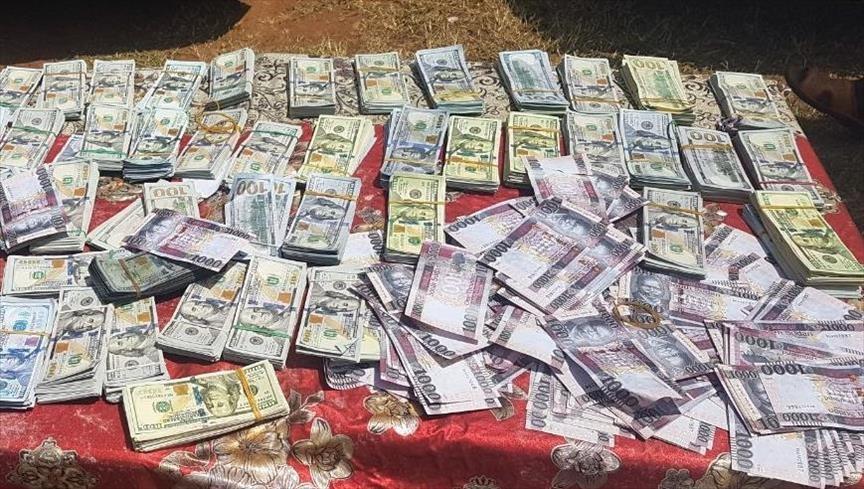
Currency traders reported that the US dollar reached approximately 12,000 Sudanese pounds on the parallel market on Wednesday, reflecting growing demand for foreign currency and declining confidence in the local currency.
Importers have separately warned that a recent 16 percent increase in the exchange rate used to calculate customs duties would increase the cost of imported commodities.
Sudan’s dependence on imported fuel, machinery, wheat and agricultural inputs has made its economy particularly vulnerable to currency depreciation.
Although customs exemptions could reduce some import expenses, the cost of acquiring foreign currency remains a significant obstacle for businesses.
Agricultural output declines
According to the UN Food and Agriculture Organization (FAO), Sudan produced approximately 5.2 million tonnes of cereals in 2025, including sorghum, millet and wheat.
The figure represented a decline of 22 percent compared with 2024 and was 19 percent below the previous five-year average.
The FAO has also documented substantial increases in staple food prices across monitored Sudanese markets.
In October 2026, retail sorghum prices increased by between 38 and 75 percent in affected markets, while millet prices rose by between 21 and 88 percent.
Wheat flour prices increased by between 10 and 43 percent during the same month, marking the second consecutive month of rising prices.
Reduced agricultural output, insecurity and rising transportation expenses have contributed to shortages and placed additional pressure on households already struggling with declining incomes.
The effectiveness of the latest customs exemptions will depend on importers’ access to foreign currency, the availability of international supplies and the movement of goods through Sudan’s disrupted commercial networks.
Officials have not announced how much maize or soybean meal will be imported under the new measures or when consumers could expect any reduction in poultry and livestock prices.