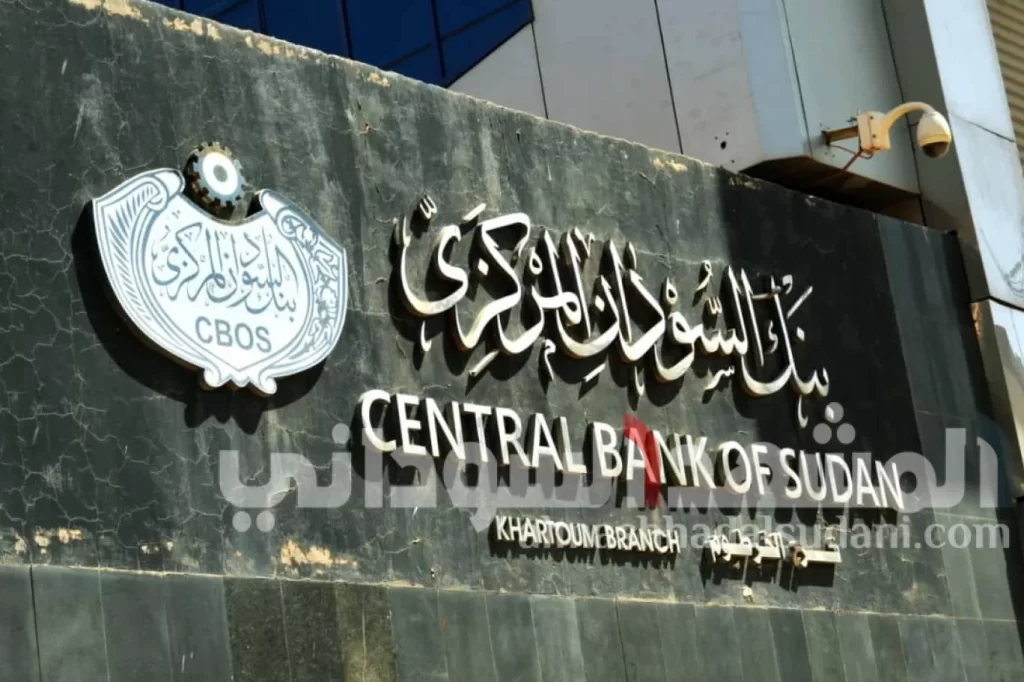
Sudan’s central bank has eased restrictions on gold purchases and exports after 23 mining companies threatened to halt production from October 1 over policies they said made continued operations difficult, Al Mashhad Al Sudani reported.
A new central bank circular gives mining companies greater flexibility to sell their output, allowing them to sell all gold produced to the bank or authorised buyers, as well as to exporters.
The revised rules also allow companies to retain foreign currency earnings from gold exports for up to 21 working days. Those funds may be used to finance imports, sold to banks or used to meet banking obligations.
Banks are permitted to process gold exports under an advance-payment system, while daily pricing arrangements for gold designated for export remain in place.
The circular also removes a provision governing gold produced by companies that process mining waste, previously included in Circular No. 11/2026. The revised policies took effect on September 21, according to the report.
The changes follow an urgent memorandum submitted by 23 mining companies to the Ministry of Minerals and the Sudanese Mineral Resources Company, warning that the previous rules threatened production, government revenue and foreign currency inflows.
The companies said their threatened shutdown was not intended to damage the economy, but reflected the difficulty of maintaining operations under the earlier purchasing and pricing policies.
The amendments have eased tensions between the central bank and mining firms, the report said, although it did not indicate whether the companies had formally withdrawn their shutdown threat.
Gold remains an important source of revenue and foreign currency for Sudan, making the rules governing its purchase and export critical to mining operations and sales through official channels.