Sudan’s devastating war has left two-thirds of surveyed households without a single salaried worker, forcing millions of people into increasingly precarious livelihoods as unemployment, soaring prices and financial exclusion deepen the country’s economic crisis.
An economic assessment released Tuesday by humanitarian organisation CARE International found that 66.7 percent of surveyed households had no member earning a regular salary, while 91.2 percent identified a shortage of capital as the principal obstacle to establishing or expanding businesses.
The European Union-funded assessment exposed the extent of economic devastation since fighting erupted in April 2023, destroying infrastructure, disrupting commercial activity and stripping families of their traditional sources of income.
The study covered Khartoum, South Darfur, South Kordofan, Red Sea, Gedaref and Kassala states, drawing on surveys involving 1,087 households and 622 young people, alongside 358 qualitative interviews and focus group discussions.
While the findings do not represent Sudan’s national unemployment rate, they reveal the enormous pressure facing households struggling to survive.
Average monthly household income stood at just $136, with 48.7 percent of families relying on irregular casual labour, followed by small-scale trading at 41 percent and agriculture at 19.1 percent.
Limited employment opportunities, inadequate education, insufficient professional skills and a lack of experience were identified as major obstacles to securing paid work.
Families selling possessions to survive
The assessment found that Sudanese households were confronting multiple economic shocks simultaneously, leaving many with little choice but to exhaust their remaining savings and possessions.
Conflict-related displacement affected 76.9 percent of surveyed households, while 71.5 percent reported rising prices and 48.8 percent experienced a loss of income.
Nearly one-third reported the illness or death of a breadwinner, while crop failures and livestock losses affected 24.7 percent and 14.1 percent of households, respectively.
The worsening conditions have pushed 64.8 percent of families into selling household belongings, while 43.4 percent have reduced food consumption and spending on basic necessities.
Another 34.2 percent reported working longer hours, while 30.9 percent had accumulated debt to meet household needs.
Some 18.5 percent had sold productive assets, undermining their prospects of rebuilding sustainable livelihoods, while 0.6 percent reported resorting to transactional sex to secure essential resources.
Soaring prices erode purchasing power
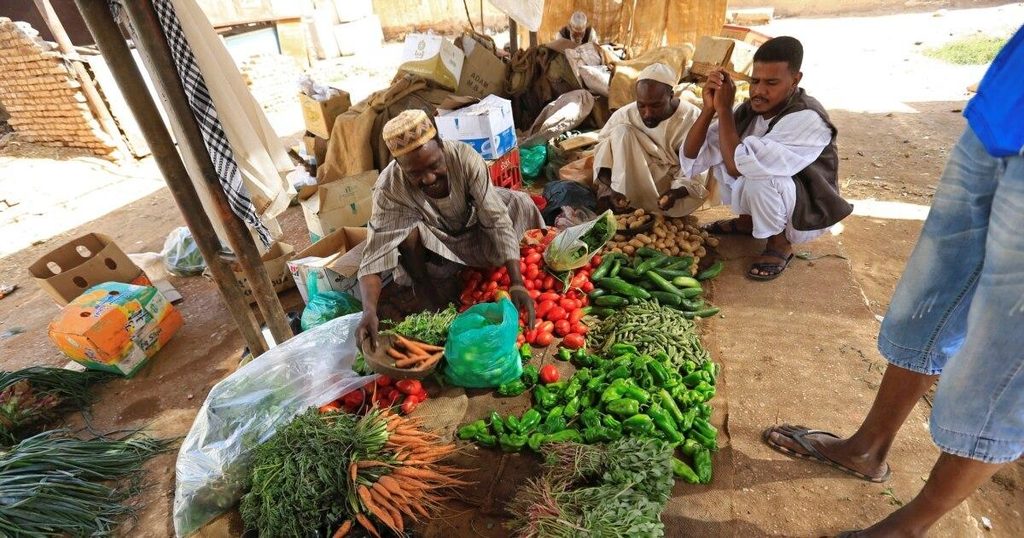
Despite the destruction caused by the war, Sudan’s local markets remain partially functional, with 81.5 percent of respondents reporting that essential commodities were still physically available.
However, 86 percent reported significant price increases during the preceding six months, highlighting a crisis increasingly driven by collapsing purchasing power rather than shortages alone.
High transportation costs, insecurity and declining household incomes have placed even basic commodities beyond the financial reach of many families.
Access to financial services remains another major challenge, with 30.8 percent of surveyed households unable to use formal or semi-formal financial institutions.
Among the principal obstacles were missing identity documents and a lack of mobile phones, further restricting opportunities for displaced and economically vulnerable communities.
Businesses reduced to survival mechanisms
CARE found that only 30.9 percent of surveyed households operated income-generating activities, leaving more than two-thirds without household enterprises.
Small-scale trading accounted for 55.7 percent of existing businesses, while 71.6 percent operated informally without official registration, restricting access to financing and legal protections.
More than half of business owners said their revenues barely covered operating expenses, while 23.8 percent reported modest profits and 17.6 percent earned no profit whatsoever.
Only 3.6 percent reported significant earnings, illustrating how much of Sudan’s remaining small-business sector functions as a means of immediate survival rather than a foundation for economic recovery.
Insecurity has compounded these difficulties, with 41.1 percent of respondents reporting safety concerns associated with employment or accessing markets.
Theft and robbery were among the most frequently reported threats, followed by unsafe transportation routes and harassment in workplaces and commercial areas.
Women face mounting economic burdens
The assessment also revealed substantial inequalities in access to employment, particularly among women and people with disabilities.
More than half of surveyed women rarely or never participated in paid employment or commercial activities, while 29.1 percent reported participating under severe restrictions.
Only 19.7 percent said they engaged in economic activities on an equal footing with men.
Domestic and childcare responsibilities, restrictive social norms and limited access to capital were identified as the principal barriers preventing women from achieving greater economic independence.
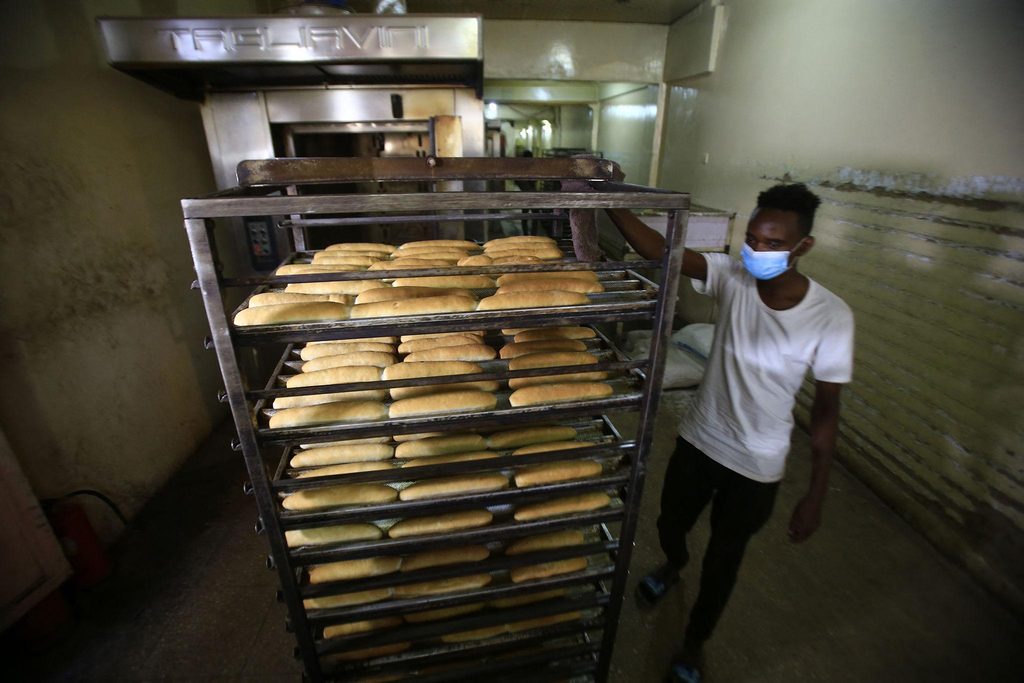
Women who managed to generate income were largely concentrated in small-scale activities, including selling food, bread and tea, tailoring, handicrafts, soap production and home-based businesses.
However, displacement has also altered traditional household roles, with women in several communities becoming primary breadwinners in the absence of men.
People with disabilities, who accounted for 16.1 percent of adult respondents, faced additional challenges, including limited capital, physical accessibility barriers and shortages of assistive devices.
Despite the bleak economic outlook, 86.8 percent of respondents expressed willingness to participate in apprenticeships or work placements, indicating significant demand for vocational training and employment opportunities.
The findings underscore the scale of Sudan’s eventual economic reconstruction challenge, with households losing not only their immediate sources of income but also the assets, savings and productive capacity needed to recover from the war.