US Congressman Jim Baird has introduced legislation proposing a new economic partnership between the United States and Sudan, linking access to Sudanese natural resources to improvements in civilian protection, political stability and responsible governance.
The proposed Sudan Investing in Minerals, Partnership, Agriculture, Commerce, and Trade (IMPACT) Act, introduced on Tuesday as H.R. 10795, would establish a framework for cooperation in agriculture and mining.
Under the legislation, Washington would provide agricultural machinery, mining equipment, advanced technology and technical expertise in exchange for access to Sudanese natural resources.
However, the partnership could only proceed after the US secretary of state determines that a legitimate, civilian-led Sudanese authority has demonstrated measurable progress in protecting civilians, reducing violence and managing the country’s resources responsibly.
Baird, a Republican representing Indiana’s fourth congressional district, said Sudan’s ongoing war had devastated lives and undermined the country’s economic future.
He argued that expanded economic cooperation could contribute to rebuilding Sudan and creating opportunities for its population, stressing that “protecting civilians must come first.”
The congressman also highlighted Sudan’s mineral wealth as a potential source of materials used in American industries, including electronics and automotive manufacturing.
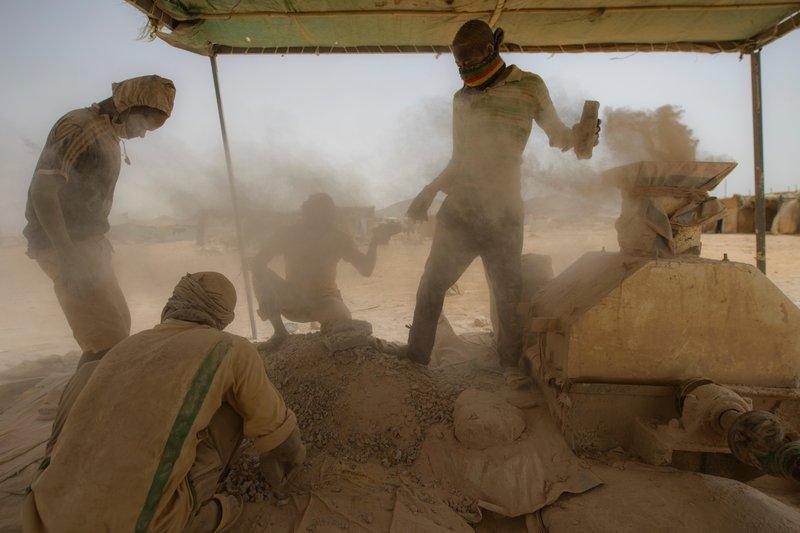
The proposed agreement would cover resources including gold, uranium, copper, iron, chromium, manganese, zinc, silver and nickel, alongside other commodities identified in the legislation.
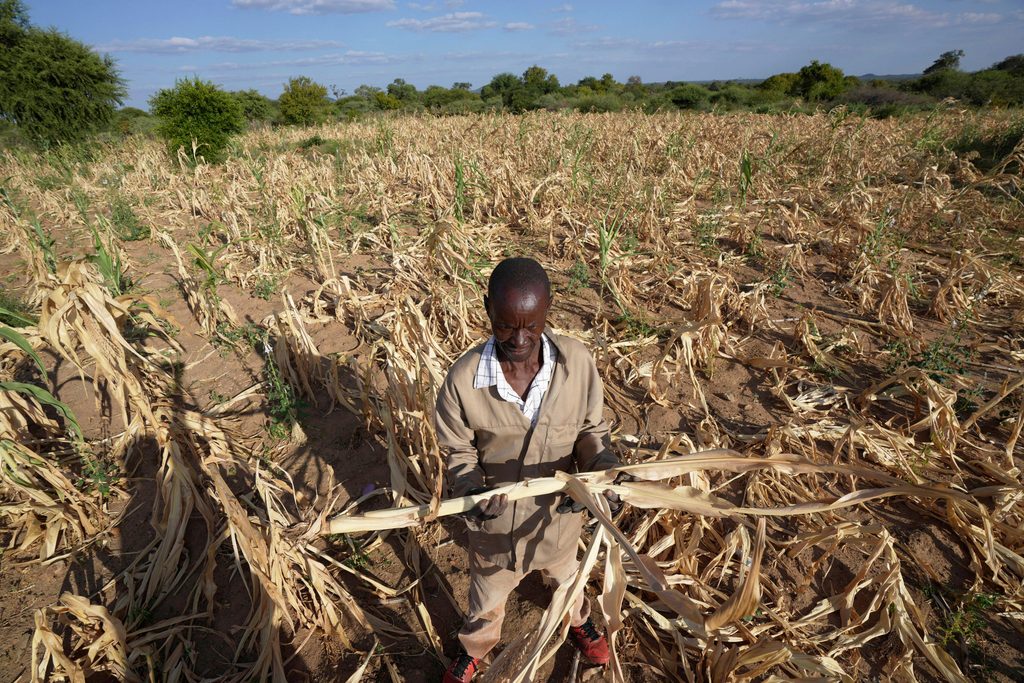
American assistance could include precision agricultural technologies, irrigation systems, food-processing equipment, geological surveying tools and improved mining technologies.
The legislation also provides for technical assistance to strengthen mine safety, address environmental damage and improve supply-chain management.
The proposal comes as Sudan continues to face a devastating conflict that began in April 2023, disrupting agricultural production, damaging infrastructure and exposing civilians to widespread violence.
By conditioning economic cooperation on civilian-led governance and measurable security improvements, the bill seeks to link potential US investment and access to Sudan’s resources with political and humanitarian progress.