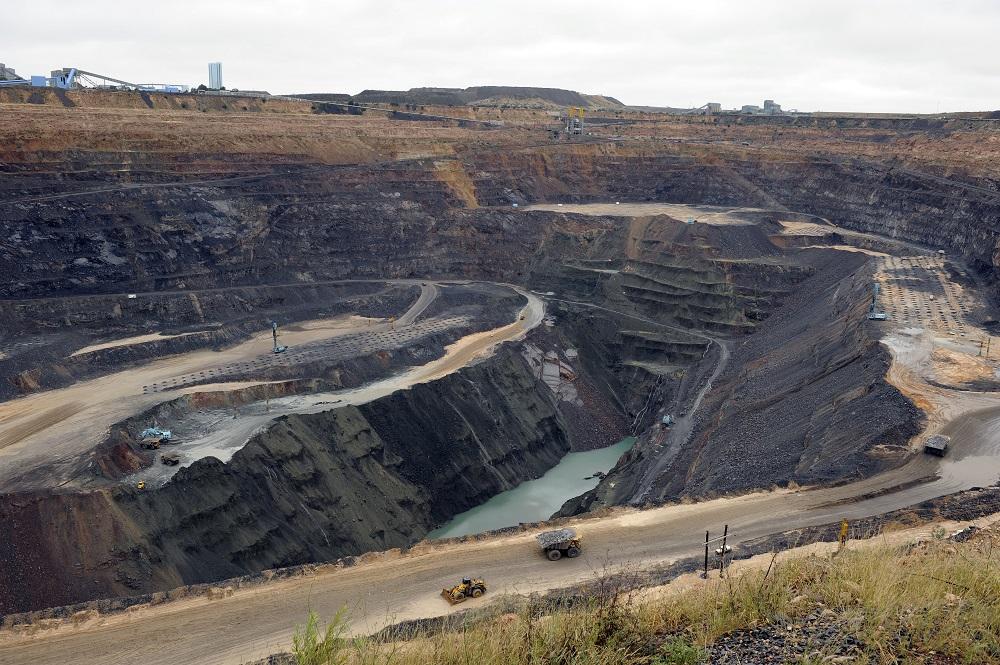
In the mining town of Phalaborwa, two vast dunes of industrial waste are drawing renewed global attention and strategic ambition.
These sandlike mounds anchor a U.S.-backed effort to extract rare earth elements vital for advanced technologies and modern defence systems.
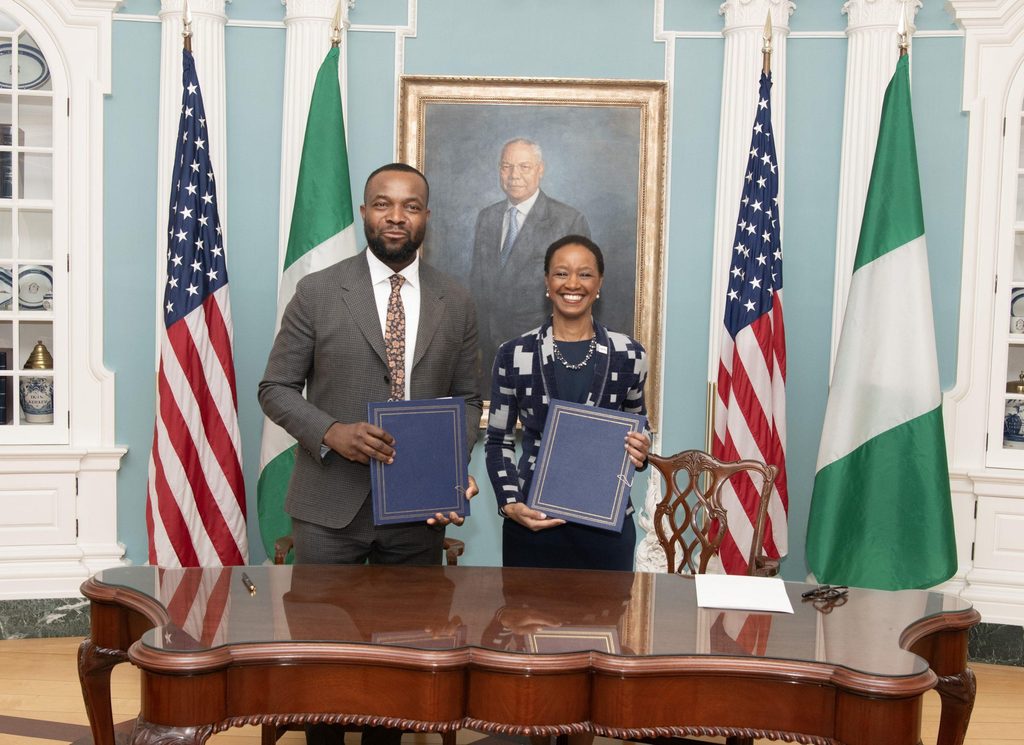
The International Development Finance Corporation has pledged a $50 million investment, signalling Washington’s urgency to reduce dependence on China.
Rare earth elements, essential for electronics, electric vehicles, and robotics, remain difficult to extract, often buried in low concentrations across complex geological formations.
The project is led by Rainbow Rare Earths, which aims to begin extraction operations from the phosphogypsum dunes by 2028.
These dunes, containing roughly 35 million tons of processed mining waste, offer an unconventional and potentially cost-efficient source of critical minerals.
Despite strained diplomatic ties, the administration of Donald Trump has continued support, prioritising economic and strategic interests over political friction.
The investment, initially committed under Joe Biden, reflects a bipartisan recognition of the importance of securing mineral supply chains.
Company executives say the project will largely serve U.S. demand, particularly in defence sectors requiring high-performance magnetic materials.
Experts caution that while the extraction method appears promising and relatively low-cost, its full commercial potential remains uncertain.
Analysts note the United States is racing to close a widening gap with China, which dominates global rare earth production and supply networks.
Alongside this project, Washington is expanding investments across Africa, seeking to unlock the continent’s mineral wealth and diversify global supply chains.
If successful, the Phalaborwa initiative could transform industrial waste into strategic assets, reshaping both local landscapes and global economic balances.