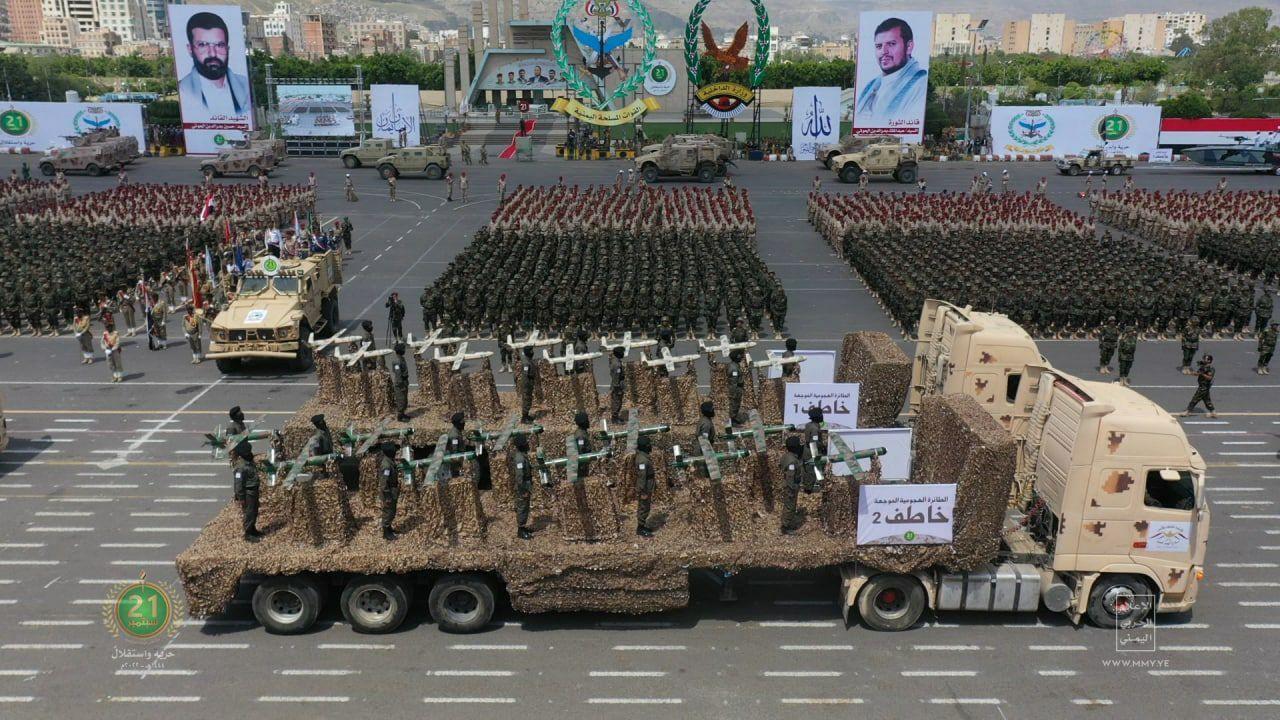
Yemen’s Houthis said they launched dozens of missiles and drones at a Saudi military airbase on Monday, as the postponement of Gulf talks with Iran dealt a fresh setback to efforts to reopen the Strait of Hormuz.
The Iran-aligned movement said it targeted aircraft hangars, radar installations, runways and ammunition depots in Khamis Mushait, southern Saudi Arabia, in retaliation for Saudi airstrikes in Yemen. Saudi authorities issued emergency alerts in the city and three other southern cities.
The assault added to pressure on Saudi Arabia after a Friday attack disabled its east-west oil pipeline, a crucial export route that bypasses the largely closed Strait of Hormuz. Riyadh blamed that strike on Iran-backed fighters in Iraq.
Traders said a prolonged pipeline shutdown could remove as much as 4% of global oil supply from the market. Saudi authorities have given no timetable for restoring operations.
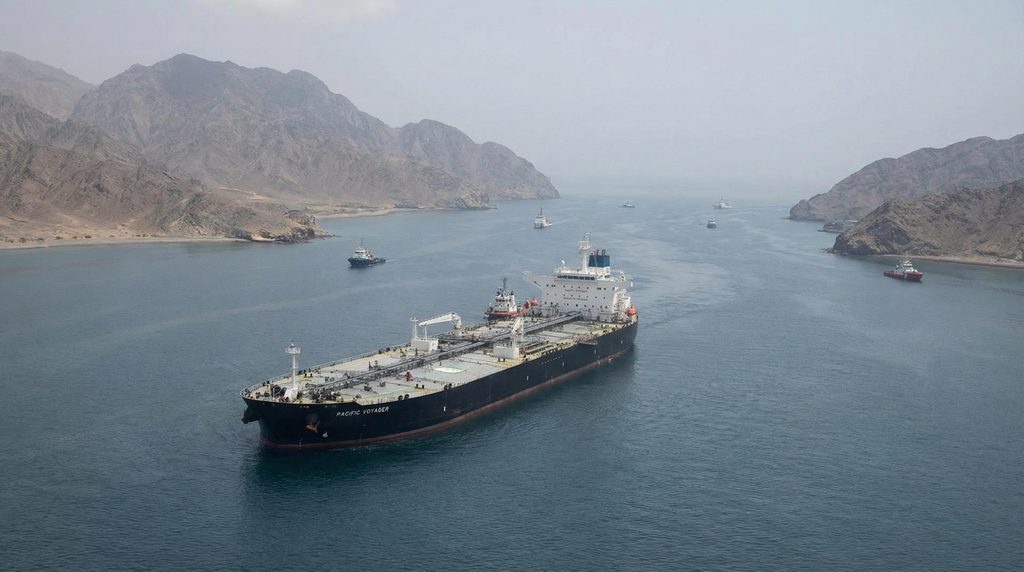
Meanwhile, Oman postponed a meeting scheduled for Monday between Iran and Gulf states to discuss reopening Hormuz, which carried around a fifth of the world’s oil exports before the war. Iran said Saudi Arabia had requested the delay.
US President Donald Trump again said Tehran wanted a rapid agreement. But Mohsen Rezaei, secretary of Iran’s Supreme National Security Council, dismissed his remarks as a distraction and said negotiations would not take place until Iran’s conditions were met.
Oil prices climbed more than 4% during Monday’s trading before settling around 1% higher.
The escalation comes amid a rapid Houthi advance across Yemen, where renewed fighting has upended a period of relative calm following years of war.
The movement captured the historic Red Sea port of Mocha last week and seized Perim Island, at the entrance to the Red Sea, on Friday. Its gains have pushed back forces aligned with Yemen’s internationally recognised government and heightened concern over another vital shipping route.
Saudi Arabia has led a military coalition against the Houthis since 2015, although a ceasefire had substantially reduced fighting in recent years.
The renewed offensive has increased pressure on Washington to intervene. Three sources told Reuters that the United States had so far resisted Saudi requests for direct military involvement beyond intelligence support.
Trump said over the weekend that he had spoken with Crown Prince Mohammed bin Salman and that the Houthis had contacted Washington to urge it to stay out of the fighting.
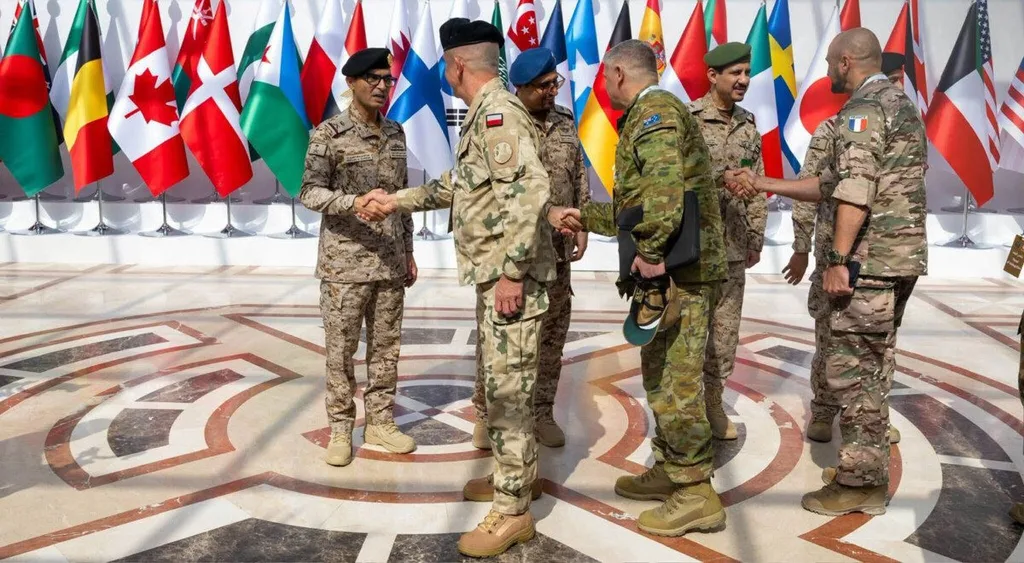
Saudi state media said the crown prince met Admiral Brad Cooper, the US regional military commander, in Jeddah on Monday.
The International Organization for Migration estimates that 82,000 people have fled fighting in Yemen since the beginning of September.
Near Taiz, displaced resident Aisha Muhammad told Reuters that two daughters and three sons remained trapped in territory she had escaped. She said they could not safely leave their homes to obtain food or drinking water.
Uncertainty over maritime security deepened as Iranian, US and international authorities gave conflicting accounts of damage to the Panamanian-flagged tanker El Gaia.
Iran’s Revolutionary Guards said the vessel struck sea mines after entering a prohibited area south of Hormuz, according to Fars news agency. The statement did not specify when the incident occurred.
US Central Command rejected that account, saying an Iranian missile had struck the tanker last month and left it inoperable.
The International Maritime Organization, however, reported that El Gaia was damaged on Saturday and that two seafarers were missing. It did not identify the cause.
The UK Maritime Trade Operations agency separately reported that an unidentified vessel was hit by a projectile in the strait on Saturday, triggering a fire and a crew evacuation. Reuters could not reach El Gaia’s owners in Dubai to verify the differing accounts.
Hormuz has been mostly closed since the war began on February 28, with Iran threatening ships attempting passage without its permission.
El Gaia was among 77 vessels Iran had accused of breaching its transit rules, warning they could face fines, detention or confiscation on future journeys.