Iran’s leaders are facing mounting concern that a new wave of U.S. economic pressure could deepen the country’s financial crisis, fuel public anger and trigger renewed unrest after nearly six months of war.
U.S. President Donald Trump said on Friday that Washington intended to hit Iran hard economically, while Treasury Secretary Scott Bessent said new measures unlike anything previously imposed could be announced as early as next week. U.S. officials have not disclosed what the measures will involve.
Despite Tehran’s efforts to project resilience after months of conflict with the United States and Israel, Iranian officials and political insiders say the leadership is increasingly worried about the domestic consequences of worsening economic conditions.
Iran entered the conflict already struggling with high inflation, a weakening currency, energy shortages, sanctions and longstanding structural problems. Since U.S. and Israeli attacks began on February 28, damage to infrastructure, disrupted trade and falling production have added further strain.
In Isfahan, civil engineer Arshia said construction projects had largely stalled since the war began, leaving him struggling to find work as costs continued to rise.
“If Trump imposes more sanctions, how will ordinary people survive?” he said. “We’re already struggling.”
The economic disruption has spread across multiple sectors. In Bandar Abbas, 53-year-old businessman Mohsen said he was forced to close his small import-export company after fighting disrupted trade with Gulf countries.
He laid off 10 employees and is now relying on savings to support his family.
Inflation squeezes households
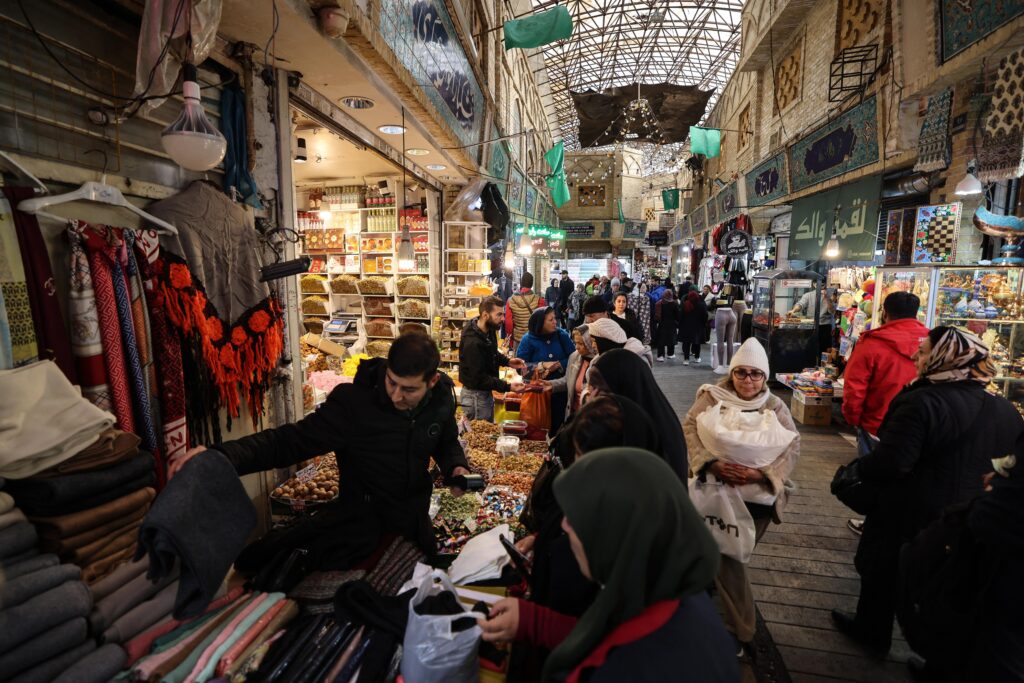
Iran’s annual inflation rate reached 66% in July, according to the country’s Statistical Centre, while consumer prices were 87.9% higher than a year earlier. Food prices rose 128% year-on-year.
For Iran’s leadership, the central concern is increasingly whether worsening economic hardship could translate into another wave of nationwide demonstrations.
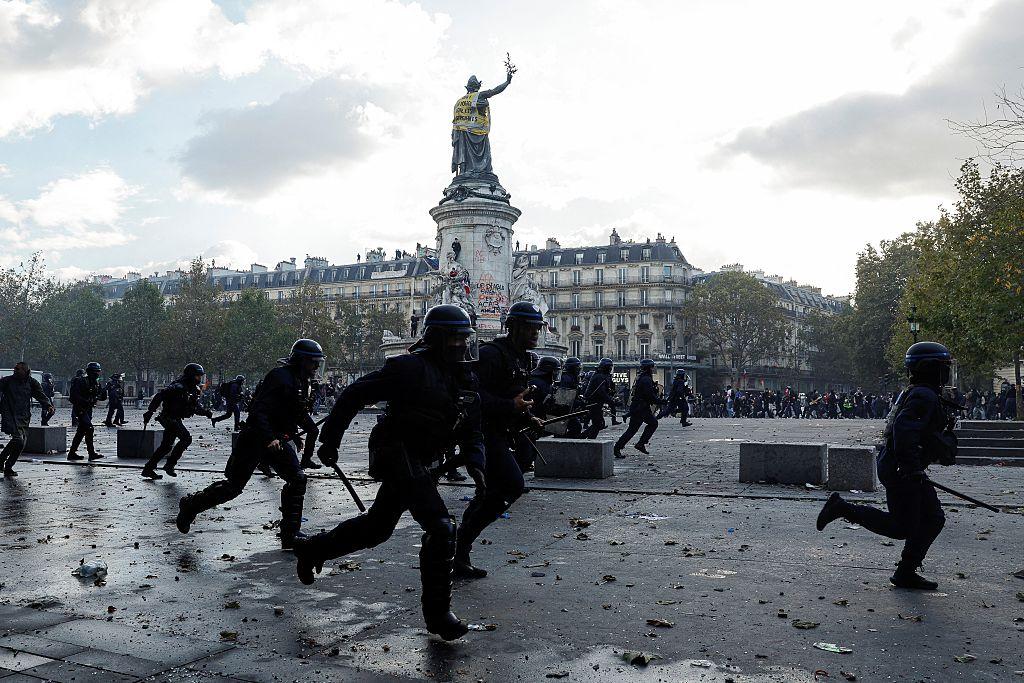
Economic grievances have repeatedly driven protests in Iran, including major unrest in January that was suppressed by the Revolutionary Guards and the Basij militia, leaving thousands dead.
Last week’s appointment of Hossein Taeb, a prominent figure associated with previous crackdowns, to lead the Basij has been interpreted by some former officials as evidence that authorities are preparing for the possibility of renewed protests.
Iranian authorities have also intensified arrests, executions, summonses and prison sentences targeting journalists, lawyers, activists, students and human rights advocates in recent months, according to rights groups.
Officials argue the measures are necessary to preserve stability during wartime, while critics say repression risks widening the divide between the government and a population facing growing financial pressure.
For many families, the economic deterioration is already changing daily life.
“I’m ashamed in front of my children. My salary is gone within days,” said Hossein, a government employee in Yazd. “Meat and chicken have disappeared from our table.”
Housing costs have also climbed sharply. Rents rose 31% year-on-year in March, while Iranian state media reported Tehran home prices were around 50% higher than a year earlier.
Although the government raised the minimum wage by roughly 60% this year, the weakening rial has sharply reduced its value in dollar terms.
Bijan, a 40-year-old engineer, said he earned around $1,000 a month when he began his career 15 years ago. He and his wife now earn roughly $400 combined and have moved out of Tehran to reduce living costs.
Blockade adds pressure
The war has also complicated Iran’s ability to import essential goods.
Tehran has increasingly relied on land routes and the Caspian Sea to replace disrupted maritime trade, but strikes on bridges and transport infrastructure have made those routes slower and more expensive.
President Masoud Pezeshkian acknowledged the severity of the situation last week, saying Iran’s problems had multiplied while government revenues had fallen.
He said goods previously imported by sea were being moved through longer and more costly routes, while lower oil sales and weaker tax revenues were adding to the government’s financial problems.
A U.S.-led naval blockade has also effectively halted Iranian gasoline imports, lawmaker Reza Sepahvand told the ILNA news agency.
Iran is producing about 130 million litres of gasoline per day, he said, while daily consumption has reached around 137 million litres.
With infrastructure damaged, trade disrupted and household purchasing power collapsing, Iranian officials now face the risk that another tightening of U.S. sanctions could turn an already severe economic crisis into a renewed political challenge for the Islamic Republic.