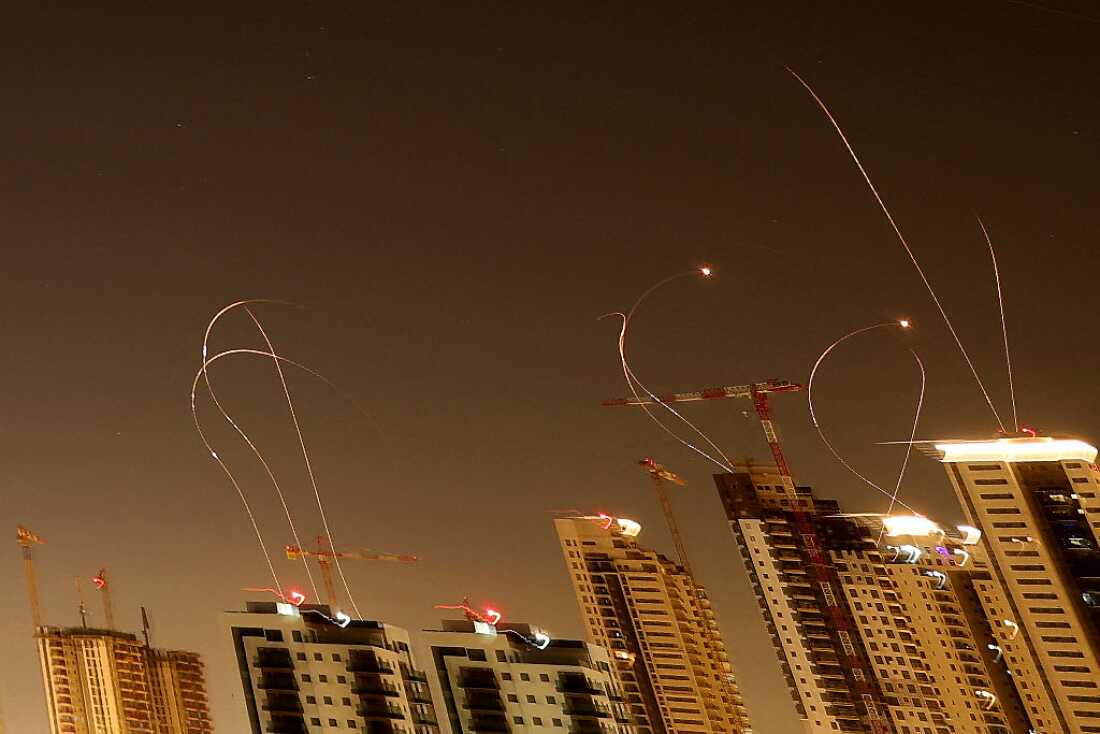
Iran launched waves of missiles at Israel on Tuesday, triggering air raid sirens across Tel Aviv and causing significant damage to residential buildings, as tensions escalated despite U.S. claims of progress toward ending the conflict.
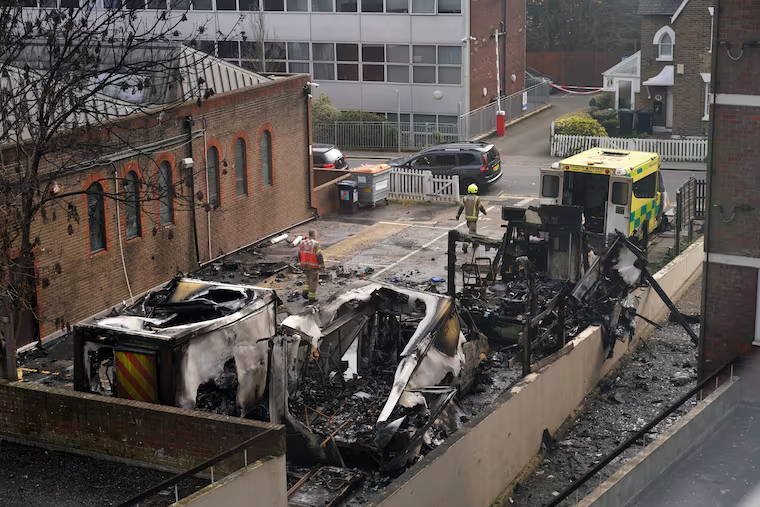
Israeli emergency services said rescue teams were searching for civilians trapped in damaged buildings after strikes hit parts of Tel Aviv. It was not immediately clear whether the destruction was caused by direct missile impacts or debris from intercepted projectiles.
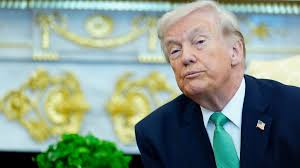
The latest attacks came a day after U.S. President Donald Trump said Washington had held “very good and productive” talks aimed at achieving a “complete and total resolution of hostilities” in the region.
However, Iranian officials swiftly rejected those claims. Parliamentary speaker Mohammad Baqer Qalibaf said no negotiations had taken place, accusing Washington of spreading “fake news” to manipulate global financial and energy markets.
In a symbolic response, Iran’s embassy in South Africa posted an image on social media mocking Trump’s suggestion that he could jointly control the Strait of Hormuz with Iran’s supreme leader.
Israeli officials, speaking anonymously, said they believed Trump was serious about pursuing a deal but expressed doubt that Tehran would accept U.S. demands.
Prime Minister Benjamin Netanyahu was expected to convene senior security officials to discuss the diplomatic push and ongoing military operations.
Meanwhile, indirect mediation efforts appear to be underway. European and regional sources said countries including Egypt, Pakistan and Gulf states are relaying messages between Washington and Tehran, with reports suggesting possible direct talks in Islamabad later this week.
The conflict, which began on February 28 following U.S. and Israeli strikes on Iran over its nuclear programme, has since spread across the region. Iran has targeted countries hosting U.S. bases and struck key energy infrastructure, while also effectively closing the Strait of Hormuz — a critical route for roughly 20% of global oil and gas supplies.
Israel said its air force carried out extensive strikes in Tehran overnight, targeting command centres linked to the Islamic Revolutionary Guard Corps and Iran’s intelligence apparatus, along with missile storage and launch facilities.
Explosions were reported across multiple areas of the Iranian capital, with air defence systems activated.
Markets, which had briefly rallied after Trump delayed planned U.S. strikes on Iranian energy infrastructure, reversed course as uncertainty deepened. Oil prices rebounded above $100 per barrel, while investors retreated from earlier optimism.
Despite renewed diplomatic signals, analysts warned the situation remains volatile, with risks of further escalation still high.