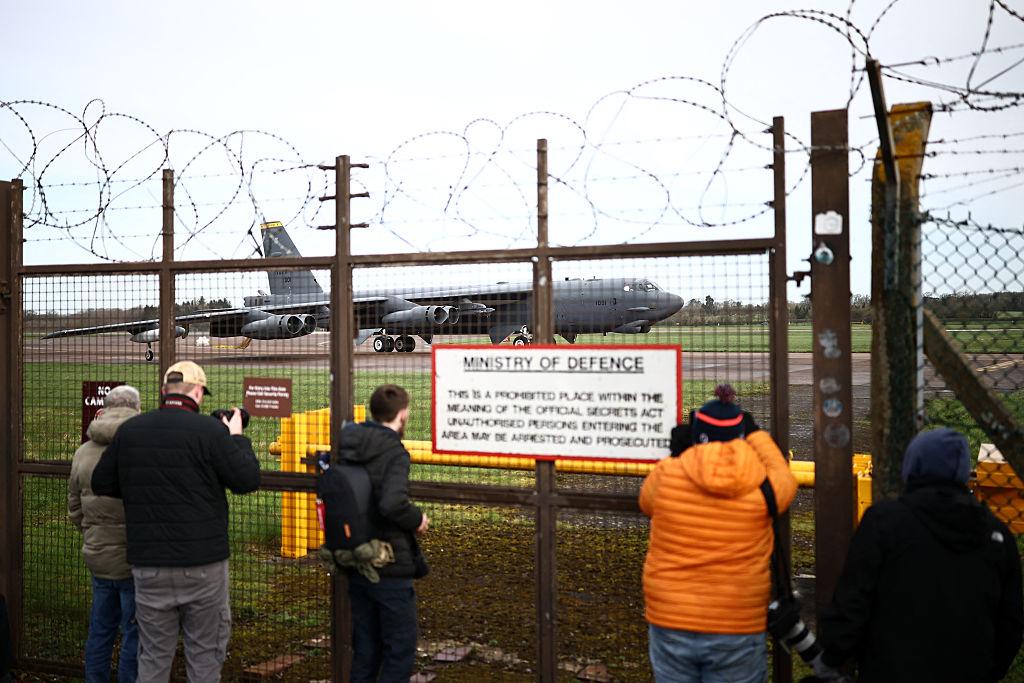
A proposed Iran-Oman arrangement that would give Tehran greater control over commercial shipping through the Strait of Hormuz may be impossible for the maritime industry to implement because of U.S. sanctions and restrictive insurance rules, according to four shipping and insurance sources.
The strait, a narrow waterway linking the Gulf with the Indian Ocean, was the principal route for roughly one-fifth of global oil supplies before U.S.-Israeli strikes against Iran in late February triggered a wider conflict. Ships previously passed through the internationally important waterway without paying transit fees.
Control over Hormuz has since emerged as one of the main obstacles in negotiations aimed at ending the war.
Under the latest proposal, Iran would be permitted to intervene when it considers action necessary involving vessels entering the Gulf. Outbound ships would use a route between Iran and Oman, with Oman granting clearance after notifying Tehran, according to a senior Iranian source.
Iran is seeking payments equivalent to between 5% and 7% of the value of cargo carried by vessels using the strait, the source said. Oman has discussed fees of about 3%, while Washington is demanding that passage remain free of charges.
Leading international shipping associations warned in an open letter this week that merchant vessels must be able to use international waterways safely, predictably and without unnecessary restrictions.
The groups said compulsory transit or service charges would effectively amount to a toll and could undermine the internationally recognised legal framework governing straits used for global navigation.
The current two-way shipping system through Iranian and Omani waters was adopted by the International Maritime Organization in 1968 with the agreement of regional states.
The IMO declined to comment on the reported negotiations. Its governing council said in July that countries bordering the strait should guarantee the non-discriminatory and uninterrupted transit of vessels and ensure that passage remains free of tolls and other charges.
Any payment arrangement would also expose shipping companies and commodity traders to potential sanctions violations.
The United States has imposed sanctions on the Persian Gulf Strait Authority, an Iranian body established in May to operate the waterway. The U.S. Treasury has also prohibited American individuals and companies from receiving Iranian government services connected to guarantees of safe passage.
Payments made under the proposed system could therefore result in asset freezes or other penalties, according to industry sources who requested anonymity because of the sensitivity of the discussions.
Insurance restrictions present a further obstacle.
In late July, the Lloyd’s Market Association introduced a clause allowing war-risk insurers to terminate coverage for vessels whose owners pay a fee, toll or other charge to pass through the Strait of Hormuz.
Ships operating in the area normally require additional war-risk insurance to cover possible damage during transit.
The association said insurers would not be responsible for reimbursing such payments and could be released from their obligations relating to a vessel once a fee had been paid.
The Lloyd’s Market Association represents underwriting businesses operating in the Lloyd’s of London insurance market.
One insurance industry source described the situation as a “catch-22,” with Iran seeking payment for passage while insurance conditions could leave shipowners without coverage if they comply.
The combination of sanctions risks, insurance exclusions and concerns over international navigation rights has raised serious doubts over whether the proposed arrangement could function without significant legal and regulatory changes.