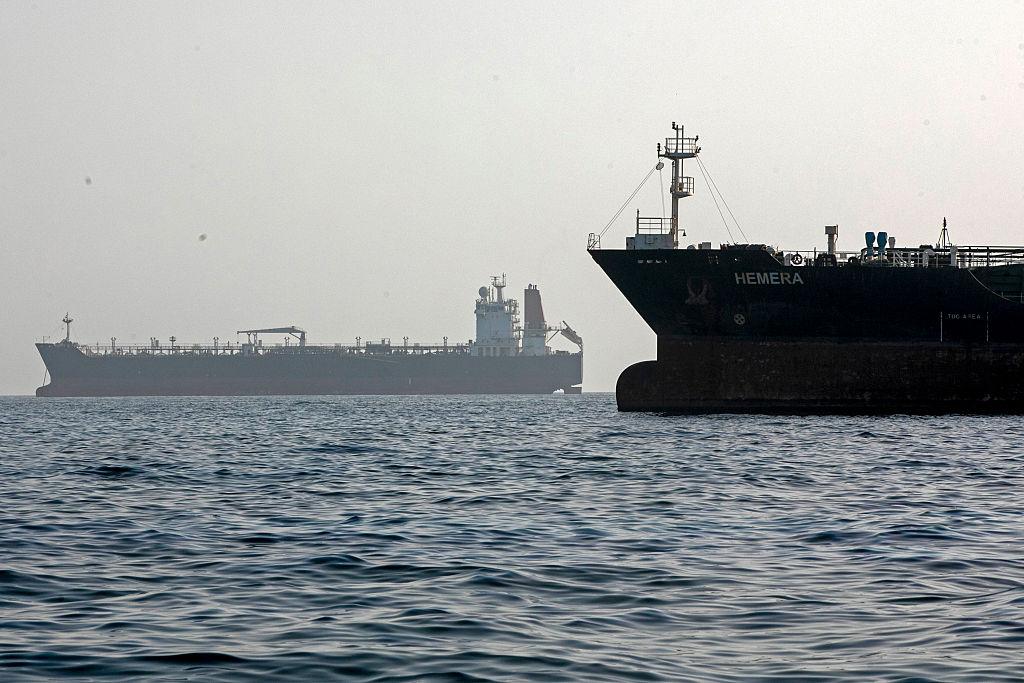
Tehran has informed neighbouring countries that attempts to establish alternative oil export corridors would be considered hostile, Reuters reported on Thursday, citing a senior regional official close to Iran.
The official said the policy had the backing of both Iran’s political leadership and the Islamic Revolutionary Guard Corps (IRGC).
A senior regional diplomat briefed by Tehran said Iran was determined to maintain control over the strategic waterway and had prepared measures to disrupt routes being developed by Gulf oil producers.
Those measures could include missile and drone strikes against commercial vessels or the deployment of fast boats to intimidate ships and force them to change course, the diplomat said.
The warnings follow a sharp escalation in maritime attacks. Last week, the Strait of Hormuz recorded its highest number of tanker attacks since the war began, driving vessel traffic to its lowest level in more than two months.
Gulf oil exporters have increasingly relied on shipping corridors near Oman’s coast, transferring cargo in the Gulf of Oman with aerial support from the United States.
However, Tehran’s latest warnings suggest those arrangements could face further disruption.
The growing danger was highlighted by an attack on the Antigua and Barbuda-flagged chemical tanker Acers north of Qatar.
Britain’s maritime security agency UKMTO reported that a tanker had been struck by projectiles approximately 51 nautical miles off the Qatari coast. Security sources said the Acers sustained multiple hits, leaving crew members with minor injuries.
Maritime intelligence firm Clearwater Dynamics warned that the incident raised concerns about attacks spreading to shipping approaches serving Qatar, Bahrain, Saudi Arabia, Kuwait and Iraq.
Jakob Larsen, chief safety and security officer at shipping association BIMCO, said the recent attacks had discouraged shipowners from attempting the Hormuz passage.
The escalation comes as US President Donald Trump considers further military action against Iran while maintaining a naval blockade intended to pressure Tehran into negotiating an end to the conflict.
The disruption is also placing additional strain on global energy markets, where accessible oil reserves are declining following months of supply interruptions.
Shipping companies are passing rising costs to customers. Danish shipping giant Maersk announced on Thursday that it was increasing emergency fuel surcharges for inland transportation in Britain and Ireland because of the Middle East conflict.
Speaking at a shipping conference in London, British Royal Navy Major General Paul Maynard warned that the consequences of maritime conflict extended well beyond the shipping industry.
“A war at sea does not remain at sea,” he said.