Iran’s Islamic Revolutionary Guard Corps (IRGC) said Wednesday it had seized two vessels attempting to transit the strategically vital Strait of Hormuz, as multiple container ships came under fire in a rapidly escalating maritime standoff.
Maritime security sources and the UK Maritime Trade Operations (UKMTO) said at least three commercial vessels were targeted, with one Liberia-flagged container ship sustaining significant damage to its bridge after being hit by gunfire and rocket fire northeast of Oman.
Earlier in the day, UKMTO reported that Iranian fast boats opened fire on a container ship off Oman’s coast without prior radio warning, causing damage but no reported casualties.
“The vessel was approached by an IRGC-affiliated boat which opened fire without any communication,” UKMTO said, adding that the crew remained safe and no fire or environmental damage was recorded.
In a statement, the IRGC said its naval forces had “identified and detained two violating vessels” in the Strait, escorting them into Iranian territorial waters.
“The naval forces of the IRGC seized the violating ships and transferred them to Iranian coasts,” the statement said, without detailing the alleged violations.
Conflicting accounts have emerged over the incident. The captain of the targeted vessel, operated by a Greek company, said no warnings were issued before the attack and that the ship had initially been informed it was cleared to pass through the strait.
Maritime security firm Vanguard Tech also said the Liberia-flagged vessel had been told it had permission to transit, contradicting Iranian claims that it ignored military warnings.
Iran’s Tasnim news agency, however, said the ship had disregarded instructions from Iranian armed forces.
The incidents come as Iran enforces a closure of the Strait of Hormuz in response to ongoing Israeli-US strikes, while Washington continues to impose a naval blockade on Iranian ports.
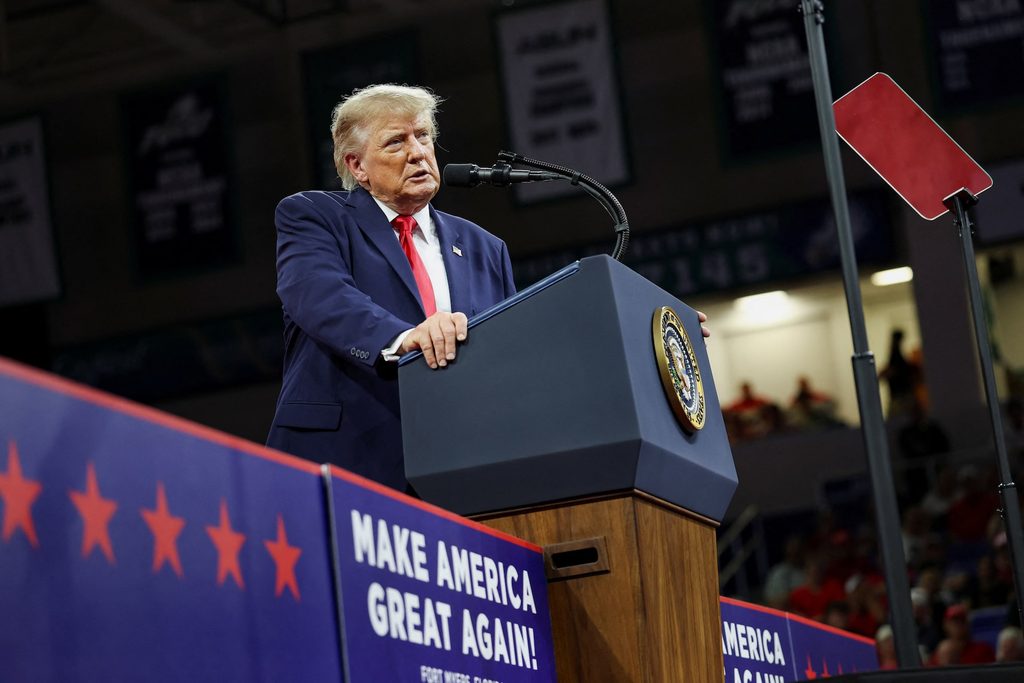
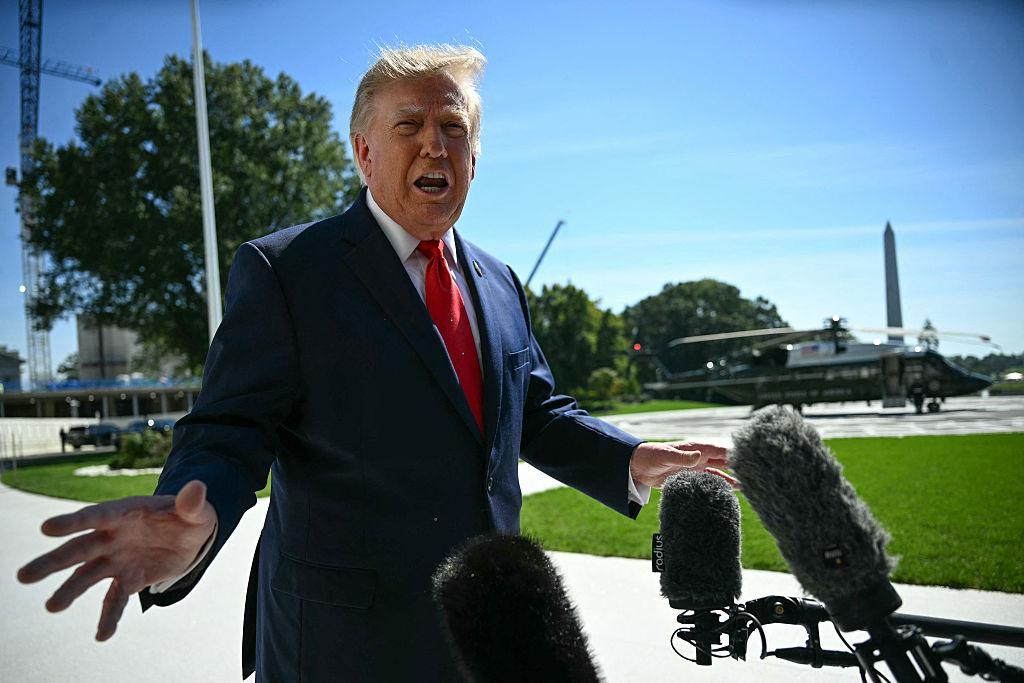
US President Donald Trump said Wednesday the current truce between the two sides — in place since April 8 — had been extended, even as tensions on the ground and at sea continue to spiral.
Before the outbreak of hostilities in late February, nearly 20% of global oil and liquefied natural gas supplies passed through the narrow waterway, making the latest escalation a direct threat to global energy markets.