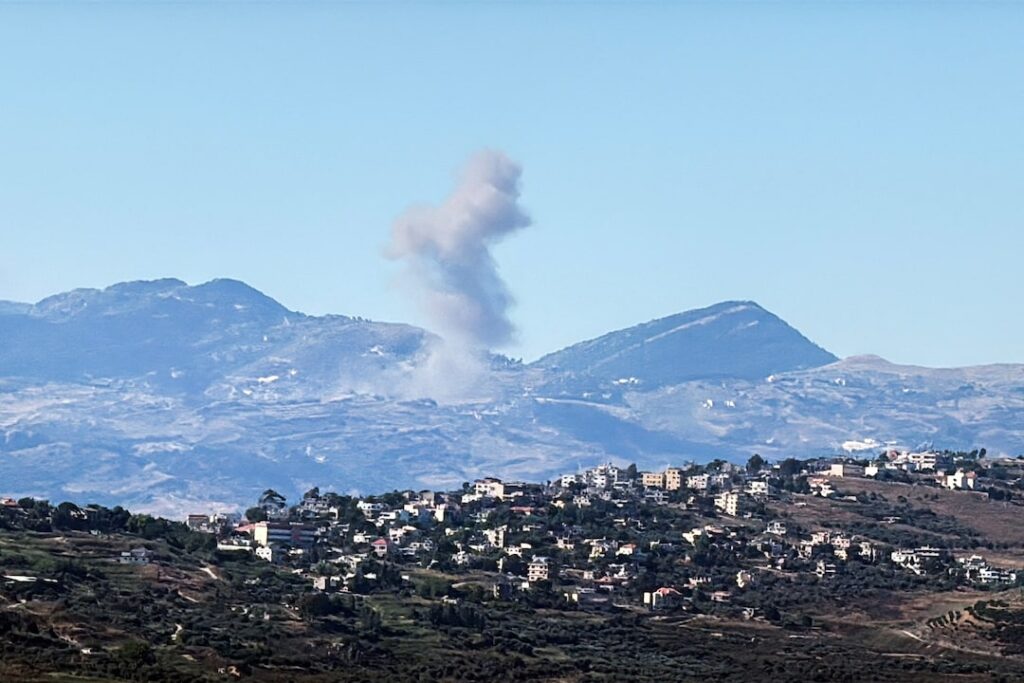
Israel and Hezbollah agreed to a ceasefire in Lebanon on Friday following a deadly escalation that forced the postponement of planned US-Iran talks in Switzerland and threatened Washington’s wider regional agreement with Tehran.
The truce took effect at around 4 p.m. local time, according to a senior US official, after American and Qatari negotiators worked with Iranian assistance to halt the fighting.
Officials from Hezbollah and Israel separately confirmed the agreement.
“If Hezbollah does not attack us, then for us it is not a time of war,” a senior Israeli official said. However, Israel intends to retain its forces in the area it occupies along Lebanon’s southern border.
Lebanese security officials said Israel carried out around 12 airstrikes during the ceasefire’s first hour. No additional strikes were recorded after 5 p.m.
Lebanon’s Health Ministry said Israeli attacks from shortly after midnight into Friday killed 47 people and wounded 97 others. Israel’s military said four of its soldiers were killed in an incident in Lebanon but provided no further details.
Trump says he urged Israel to accept truce
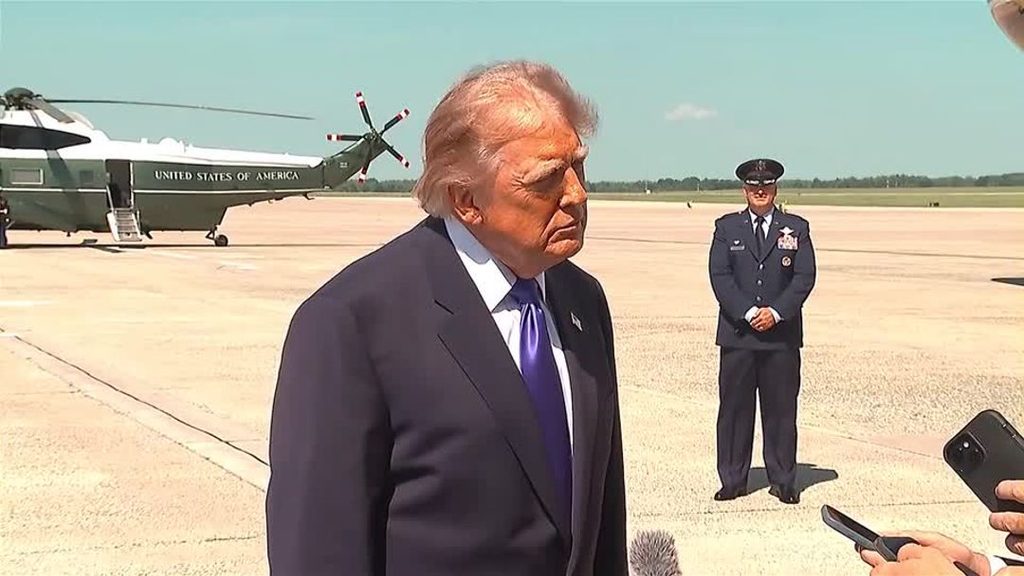
US President Donald Trump said he had spoken with Israel and urged it to accept the ceasefire.
“You just gotta calm down sometimes and use your head,” Trump told NBC News, without saying whether he had spoken directly with Israeli Prime Minister Benjamin Netanyahu.
Lebanon’s renewed fighting had threatened the interim agreement signed this week by Trump and Iranian President Masoud Pezeshkian.
The memorandum requires the United States, Iran and their respective allies to permanently end military operations on all fronts, including Lebanon. Israel, which was excluded from the negotiations, maintains that it is not bound by the agreement.
Iranian Foreign Minister Abbas Araqchi told his Pakistani counterpart on Friday that Washington would bear responsibility for any failure to fulfil the deal’s provisions, including the requirement to end the fighting in Lebanon.
US-Iran talks called off
Technical negotiations between Washington and Tehran had been scheduled to begin on Friday at the Swiss resort of Bürgenstock. Those talks were intended to turn the interim memorandum into a lasting settlement and facilitate the full reopening of the Strait of Hormuz.
However, the White House announced on Thursday night that Vice President JD Vance had abandoned plans to attend. Switzerland subsequently confirmed that the meeting had been postponed.
The White House offered no detailed explanation, saying only that organising the negotiations had “never been simple or predictable.”
Switzerland said preparations were continuing and that it remained ready to host the two sides.
The postponement creates fresh uncertainty around the agreement, which leaves Iran’s nuclear programme and several other major disputes unresolved. Washington and Tehran have given themselves 60 days to negotiate a permanent accord or extend the interim arrangement.
Washington proposes new Lebanon talks
Lebanese President Joseph Aoun condemned Israel’s latest attacks but said the escalation would not derail efforts to establish a comprehensive ceasefire.
US Secretary of State Marco Rubio later spoke with Aoun, reiterating Washington’s demand that Hezbollah disarm and expressing support for what the State Department described as a fully sovereign Lebanese state.
The two officials also discussed holding another round of Israeli-Lebanese negotiations in Washington from June 23 to 25.
Aoun’s office said a comprehensive ceasefire would be a fundamental prerequisite for those negotiations.
Lebanon became directly involved in the wider regional war after Hezbollah opened fire on Israel on March 2. Israel responded with an offensive against the group and sent troops into southern Lebanon.
Trump defends Iran surrender
The regional war began on February 28 with American and Israeli attacks on Iran. At least 7,000 people have since been killed, mostly in Iran and Lebanon.
The conflict also disrupted shipping through the Strait of Hormuz, a route that previously carried nearly one-fifth of the world’s crude oil and liquefied natural gas supplies.
Oil shipments through the waterway began increasing after this week’s interim agreement. Brent crude edged higher on Friday but remained on course for a weekly decline of about 8 percent following the Lebanon ceasefire.
Iran’s authority overseeing the strait said it would waive planned transit fees during the 60-day negotiating period.
The memorandum provides Iran with sanctions relief, access to tens of billions of dollars in frozen assets and immediate US waivers allowing it to resume oil exports. It also includes a proposed $300 billion reconstruction fund and other financial incentives.
Trump has faced criticism from some Republican allies who argue that Washington conceded too much after the United States and Israel had gained the military advantage.
“The War has diminished Iran!” Trump wrote on social media on Friday. “We didn’t meet out of desperation, Iran did. They are FINISHED!”
Trump claimed Iran would receive no money under the agreement, despite provisions offering Tehran extensive economic relief if the deal is implemented.