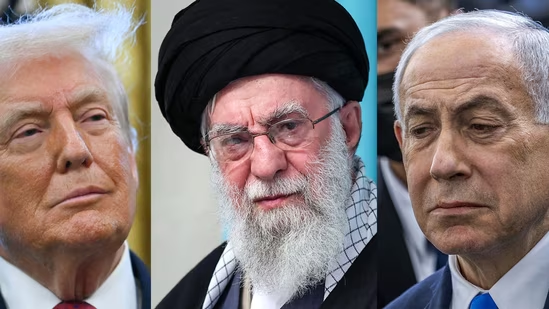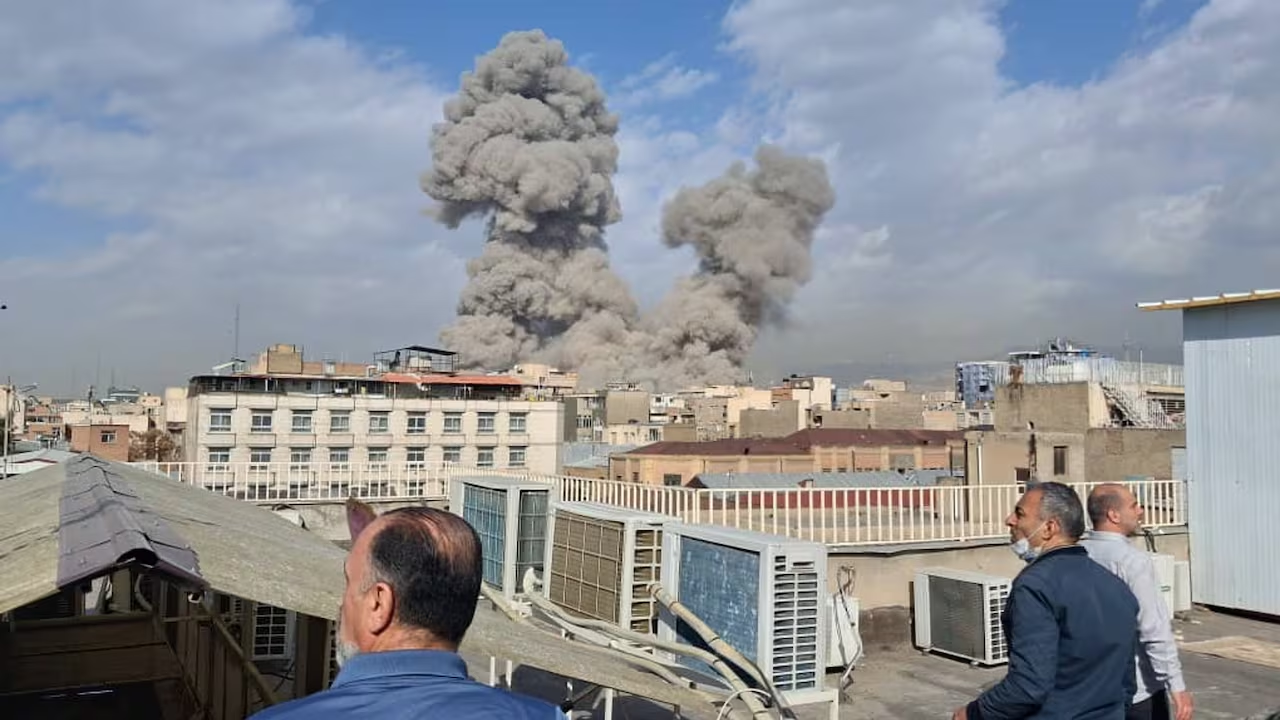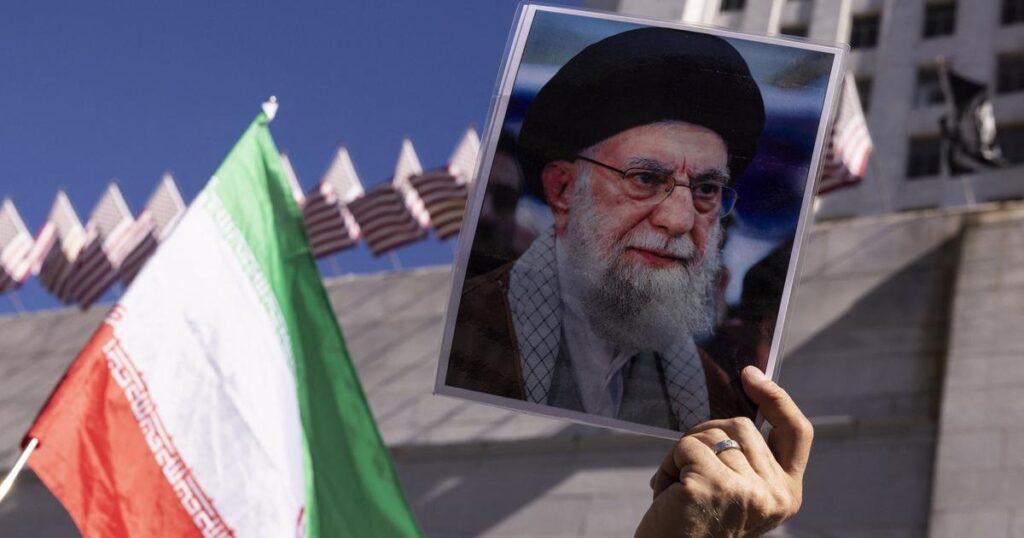
Israel launched a fresh wave of strikes on Iran early Sunday, hours after Tehran confirmed the death of Supreme Leader Ayatollah Ali Khamenei in a joint U.S.-Israeli assault that has dramatically escalated tensions across the Middle East.
Iranian state media said the 86-year-old leader was killed on Saturday when U.S. and Israeli forces struck what officials described as a high-level security meeting in Tehran. U.S. sources said the operation was timed to coincide with a gathering of Khamenei and senior aides.
Explosions were reported for a second consecutive day in parts of the Gulf. Witnesses in Dubai and Qatar’s capital Doha described hearing loud blasts after Iran launched retaliatory missile and drone strikes targeting U.S. military facilities and other sites in neighboring states. Tehran had previously warned it would strike American bases in the region if attacked.
Air raid sirens sounded repeatedly across Israel early Sunday, with explosions heard in Tel Aviv as air defense systems intercepted incoming projectiles. There were no immediate reports of casualties in Israel.
Trump: strikes meant to end Iran threat
U.S. President Donald Trump said the operation was aimed at neutralizing what he called a decades-long threat from Iran and preventing it from acquiring a nuclear weapon.
“This is not only justice for the people of Iran, but for all Americans and others around the world harmed by Khamenei and his regime,” Trump wrote on Truth Social.
Trump and Israeli Prime Minister Benjamin Netanyahu urged Iranians to seize what they described as an opportunity to challenge the country’s clerical leadership, which has faced mounting economic strain from sanctions and recurring anti-government protests.
Iran’s Revolutionary Guards vowed further retaliation, warning of what they called the “largest offensive” yet against U.S. bases and Israel. Tehran said it launched hundreds of missiles and drones following Saturday’s initial strikes, prompting widespread flight cancellations and temporary airspace closures across the region.
Regional shockwaves
Major airports in the Gulf, including Dubai — one of the world’s busiest international travel hubs — were temporarily shut after missile activity triggered major aviation disruption. Authorities in the United Arab Emirates, Qatar and Kuwait reported impacts near sensitive infrastructure, though details of damage remain limited.
Iran also warned it had closed the Strait of Hormuz, the narrow waterway through which roughly a fifth of global oil supply passes. The move heightened fears of sharp price increases and supply disruption. OPEC+ producers were scheduled to meet Sunday, with analysts expecting discussions on a potential output increase to stabilize markets.
The Pentagon said no U.S. service members were killed or injured in the initial wave of Iranian retaliation.
Uncertain future in Tehran
Iran’s ambassador to the United Nations told an emergency Security Council session that hundreds of civilians had been killed or wounded in the U.S. and Israeli strikes, calling Tehran’s response an act of self-defense.
Experts cautioned that while Khamenei’s death would mark a historic rupture for the Islamic Republic, it would not automatically dismantle the country’s entrenched political and security structures, including the powerful Islamic Revolutionary Guard Corps.
Some videos circulating on social media appeared to show celebrations in parts of Tehran and other cities following reports of Khamenei’s death, though the footage could not be independently verified.
The latest escalation follows months of rising tensions over Iran’s nuclear and ballistic missile programs. Israel and the United States had previously warned they would take further military action if Tehran continued advancing those capabilities.
The crisis has revived memories of past confrontations between Washington and Tehran, including the 1979 seizure of the U.S. embassy in Tehran and the 444-day hostage crisis that reshaped relations for decades.
With retaliatory strikes ongoing and regional powers on alert, diplomats warned the confrontation risks widening into a broader conflict with global economic consequences.