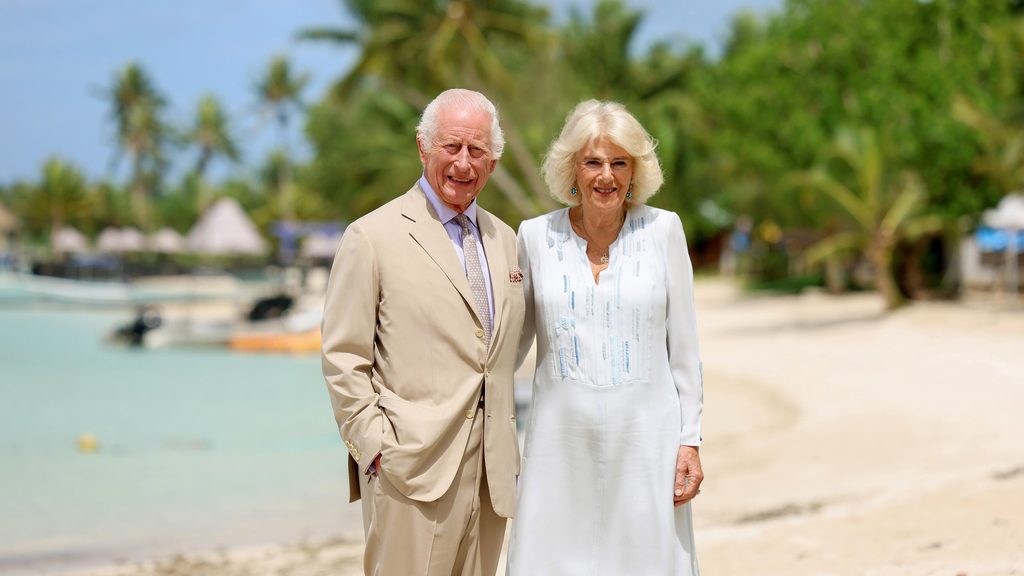
King Charles III will acknowledge Britain’s historic role in the transatlantic slave trade during a Caribbean tour later this month, Buckingham Palace said, as pressure grows on former colonial powers to engage with demands for reparations.
Charles and Queen Camilla are due to visit the Bahamas and Guyana before travelling to Antigua and Barbuda, where the king will attend the Commonwealth Heads of Government Meeting from November 1-4.
The trip comes as Caribbean and African governments step up calls for Britain and other European powers to address the legacy of slavery and colonialism, including through reparations.
The British government has ruled out paying reparations, although Charles has previously expressed sorrow over slavery and supported research into the monarchy’s historical connections to the trade.
A Buckingham Palace spokesperson said the visit would take place at an important moment in relations between Britain and Caribbean nations.
“There are important discussions taking place in various fora about colonial legacy and the intergenerational impact of the transatlantic trade in enslaved persons,” the spokesperson said.
The palace said the king would not avoid what Charles has previously described as “the darkest days of our past,” while stressing that the tour would mainly focus on the present-day relationship between Britain and the countries being visited.
Between the 15th and 19th centuries, at least 12.5 million Africans were forcibly transported through the transatlantic slave trade by European powers. Britain was responsible for transporting an estimated 3.2 million enslaved Africans, second only to Portugal among European nations involved in the trade.
Charles is head of the Commonwealth, a grouping of 56 countries with a combined population of around 2.7 billion people, many of them former British colonies. He also remains head of state in several Caribbean countries, including the Bahamas and Antigua and Barbuda.
The reparations debate has gathered momentum across the region. Last month, Jamaica’s government formally asked Charles to seek legal advice on whether Britain should pay reparations and said it was encouraged by Buckingham Palace’s engagement with the issue.
The palace said Charles had spent years acknowledging historical injustices and supporting efforts to tackle inequalities that remain linked to them.
Officials said the Caribbean tour would include opportunities for the king to reflect on that history and reaffirm his commitment to addressing its continuing consequences.
Commonwealth Secretary-General Shirley Botchwey said earlier this year that she expected member states to make progress towards beginning formal discussions on reparations.