US military contingency plans reportedly presented to President Donald Trump include a possible ground invasion of southern Iran through Iraqi territory, according to political sources in Baghdad, raising fears that Iraq could become a central battlefield in a renewed regional war.
Iraqi Prime Minister Ali al-Zaidi is said to have disclosed details of the alleged plans during a closed-door meeting with senior political and security figures from the Coordination Framework, the Shia political alliance that dominates Iraq’s governing coalition.
The reported scenarios go beyond conventional airstrikes and missile attacks, potentially involving a major ground offensive targeting Iran’s strategically important Khuzestan province, which borders Iraq’s southern Basra governorate.
The claims were reported by Iraqi newspaper Al-Mada and subsequently by Erem News, citing political sources familiar with the discussions. However, the alleged military plans have not been independently verified, and there is no public confirmation that Trump has authorised such an operation.
US ground invasion scenario
According to the reports, al-Zaidi told political allies that he had reviewed information concerning military options prepared for the Trump administration.
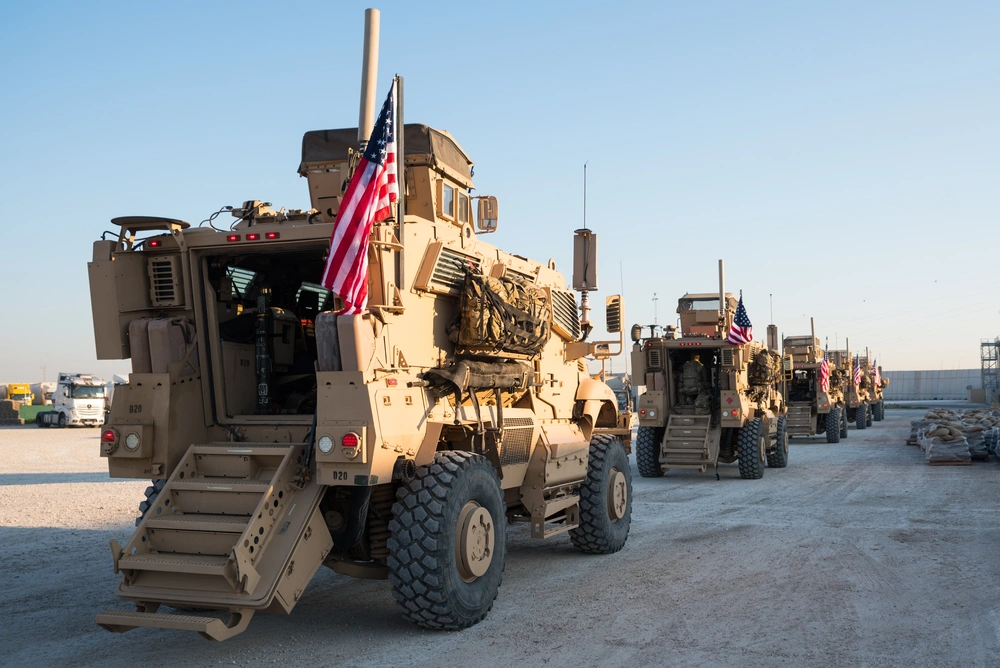
One scenario reportedly involves US forces advancing through southern Iraq into Iran’s Khuzestan province, also known as Ahvaz, a strategically significant region containing some of the country’s largest oil reserves and critical energy infrastructure.
A military offensive through this corridor would place Iraq directly at the centre of a US-Iran confrontation, potentially exposing its southern cities, transportation networks and energy facilities to retaliatory attacks.
A second scenario reportedly considers the possibility of Iran attempting to use Iraqi territory to launch an incursion into neighbouring Kuwait, potentially expanding the conflict across the Gulf.
The original Al-Mada report referred to three possible scenarios, although details of the remaining option were not publicly disclosed.
The accounts provide no evidence that Washington has approved an invasion or issued operational orders for such an offensive.
Baghdad threatens action against armed factions
The reported disclosures come as the Iraqi government faces growing pressure to prevent Iran-aligned armed factions from dragging the country into another confrontation with Washington.
Sources familiar with the Coordination Framework meeting said al-Zaidi delivered a particularly forceful warning to leaders of armed groups associated with the Islamic Resistance in Iraq.
The prime minister reportedly threatened to order the arrest of faction leaders if their organisations independently attacked US forces or participated in military operations supporting Iran.
According to Al-Mada, the warning sparked disagreements within the ruling coalition.
Qais al-Khazali, leader of Asaib Ahl al-Haq, reportedly suggested that armed factions could become involved if a confrontation with Iran developed into a prolonged war.
Another senior political figure, Humam Hamoudi, reportedly warned that attempting to arrest militia leaders could threaten the survival of both the government and the Coordination Framework itself.
The dispute highlights the increasingly difficult position of Baghdad, which must balance its relationship with Washington against the influence of political and armed groups maintaining close ties with Tehran.
Trump warns Iraq against joining Iran conflict
The developments follow a November 5 telephone conversation between Trump and al-Zaidi, during which the two leaders discussed regional security and efforts to prevent further escalation.
Iraqi officials said the prime minister reaffirmed that Baghdad would not permit its territory or airspace to be used for attacks against neighbouring countries.
Separately, Iraqi news outlet Shafaq News reported that Trump warned al-Zaidi that Washington could strike Iran-aligned armed factions and their leaders if they participated in renewed hostilities against US forces.
According to sources cited by Shafaq News, Washington also demanded concrete progress toward bringing weapons held by armed groups under state control.
The warnings have intensified pressure on the Iraqi government, which has struggled to secure the disarmament of powerful factions despite months of negotiations.
Several groups have resisted surrendering their weapons, arguing that Iraq must first receive guarantees against further foreign military intervention.
Trump signals possible diplomatic breakthrough
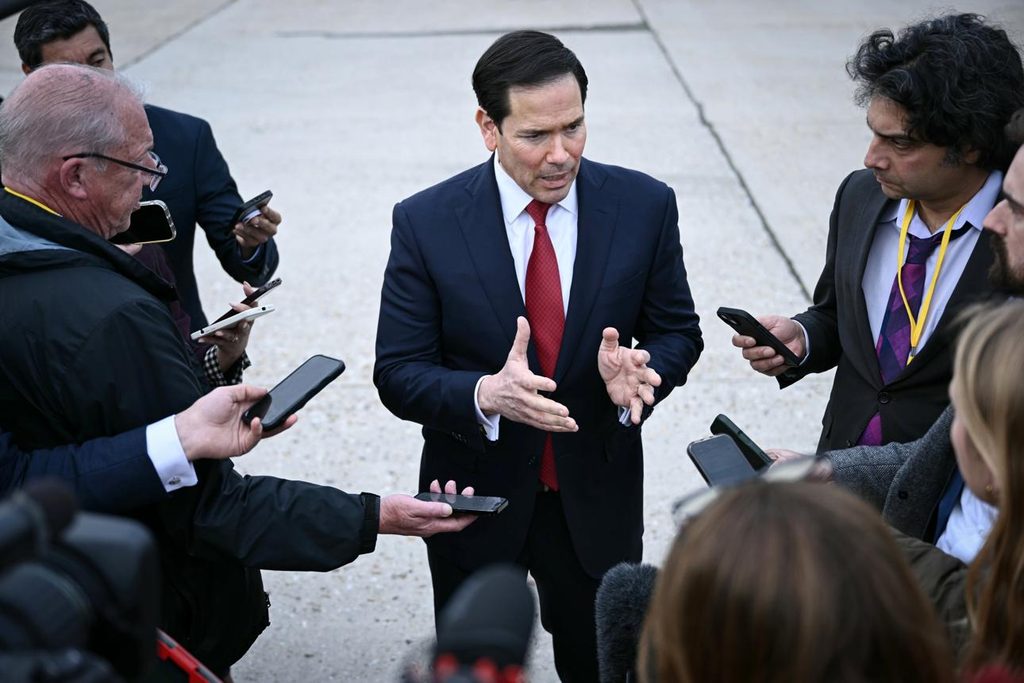
Despite the reported military planning, Trump suggested on Monday that Washington might avoid another major confrontation with Tehran.
Speaking to reporters at the White House on November 9, the president said further US military action did not currently appear necessary, citing progress in diplomatic efforts.
However, he stressed that American forces remained prepared to respond if circumstances changed.
Trump also expressed optimism that the conflict with Iran could end relatively soon.
His remarks suggest that Washington continues to consider diplomatic options even as reports emerge of military contingencies prepared for possible renewed hostilities.
Iraq faces growing regional pressure
Political analyst Hussein Abu Warda told Erem News that the reported military scenarios could place Baghdad in an exceptionally difficult position.
He suggested that the Trump administration might seek to accelerate military preparations or establish a strategic advantage before the newly elected, Democratic-controlled Congress assumes office.
Such a development, he argued, would leave Iraq struggling to maintain its traditional balancing act between Washington and Tehran.
The analyst warned that preventing an escalation would depend heavily on the Iraqi government’s ability to enforce state authority over armed factions and stop the country’s territory from becoming a staging ground for regional military operations.
With tensions remaining high, Baghdad faces the possibility of becoming caught between two competing military powers.
For al-Zaidi’s government, the immediate challenge is to prevent Iraq from being used either as a corridor for an offensive against Iran or as a launching point for attacks on American interests and neighbouring states.
Whether the reported plans represent routine contingency planning or a more serious military option remains unclear.
For now, Iraq’s leadership is attempting to preserve the country’s neutrality while navigating one of the most dangerous periods in its relations with Washington and Tehran.