NATO Secretary General Mark Rutte has urged European governments to deliver concrete commitments within days to help secure the Strait of Hormuz, after U.S. President Donald Trump pressed allies for rapid action, diplomats said.
Rutte relayed Trump’s demands following a meeting at the White House on Wednesday, warning that the alliance is under mounting strain as Washington signals frustration over what it sees as insufficient European support during the Iran conflict.
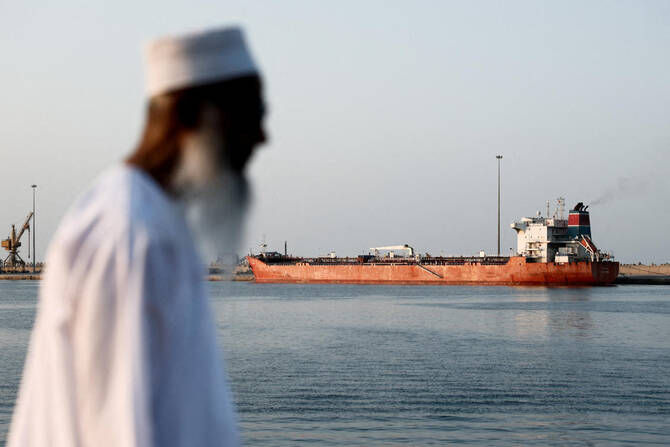
European capitals are now scrambling to outline tangible plans to help safeguard the key oil transit route, which has been effectively blocked amid escalating tensions with Iran.
Speaking in Washington, Rutte acknowledged that some allies were initially slow to respond to U.S. requests but said support had since grown significantly, including offers related to logistics and basing.
“Nearly without exception, allies are doing everything the United States is asking,” he said.
Despite that, divisions remain. Several European countries have indicated willingness to contribute to securing Hormuz, but only once a durable ceasefire is in place and guarantees are secured that their vessels will not be targeted.
The pressure comes as Trump has raised the possibility of withdrawing from NATO, arguing that European allies have long relied on U.S. security guarantees without providing sufficient backing in return.
Diplomats say concerns within the alliance remain high following the Rutte-Trump meeting, with one senior European official describing the mood as “more worried than confident.”
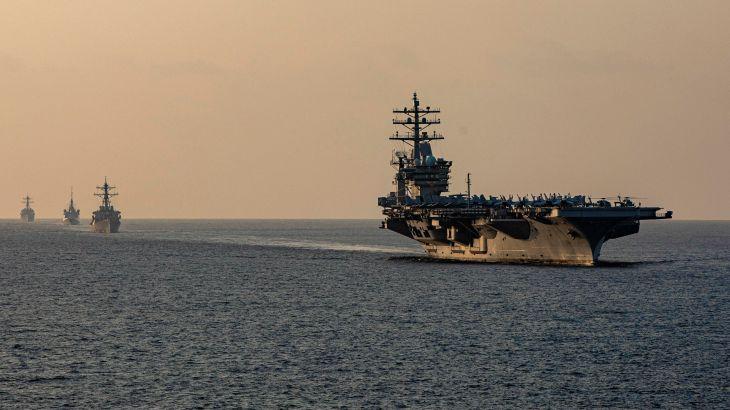
Efforts are underway to coordinate a response. Britain is leading discussions among around 40 countries on a potential military and diplomatic plan to reopen and secure the strait, while France has said a smaller group of nations is preparing to facilitate the resumption of shipping.
However, officials caution that progress will depend on broader negotiations between Washington and Tehran. France’s foreign minister has warned that full reopening of the strait is unlikely without a lasting agreement, while European governments have rejected Iran’s suggestion of imposing transit tolls.
The dispute over Hormuz has deepened existing tensions within NATO, already strained by disagreements over defence spending, Arctic security, and the handling of the Iran conflict.
While Rutte said the alliance is adapting to a period of “profound change,” diplomats acknowledged that key questions remain unresolved over NATO’s role and the extent of European commitments in the crisis.