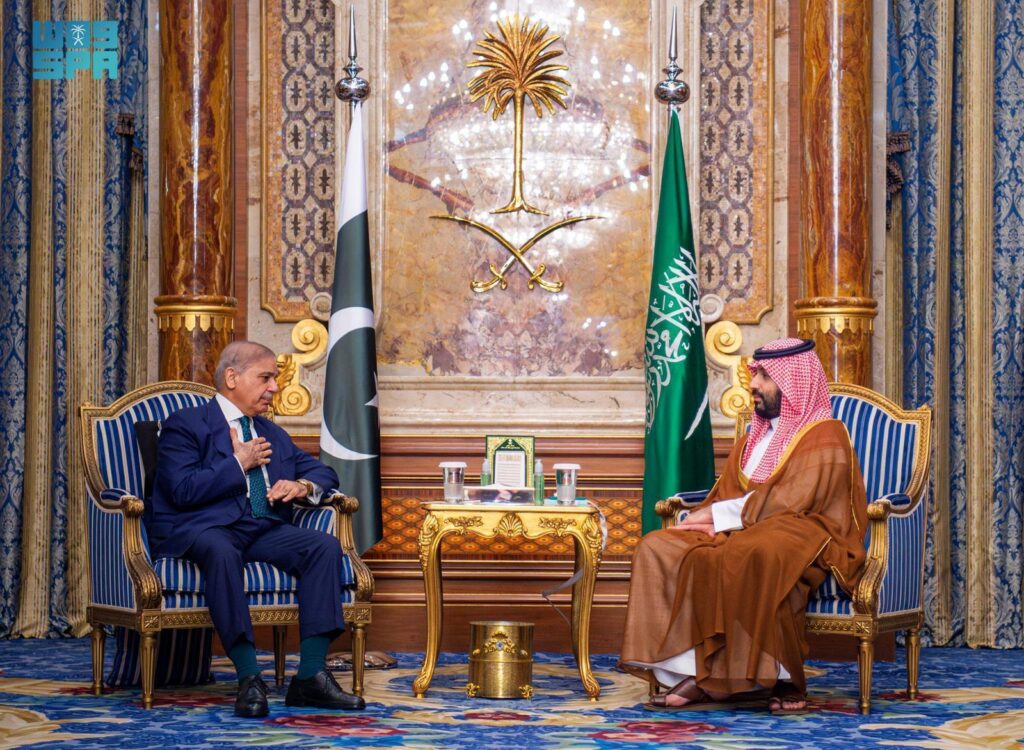
Pakistan is increasingly concerned that escalating tensions in the Middle East could pull Saudi Arabia into a broader regional conflict, potentially forcing Islamabad to confront difficult military, economic and diplomatic choices.
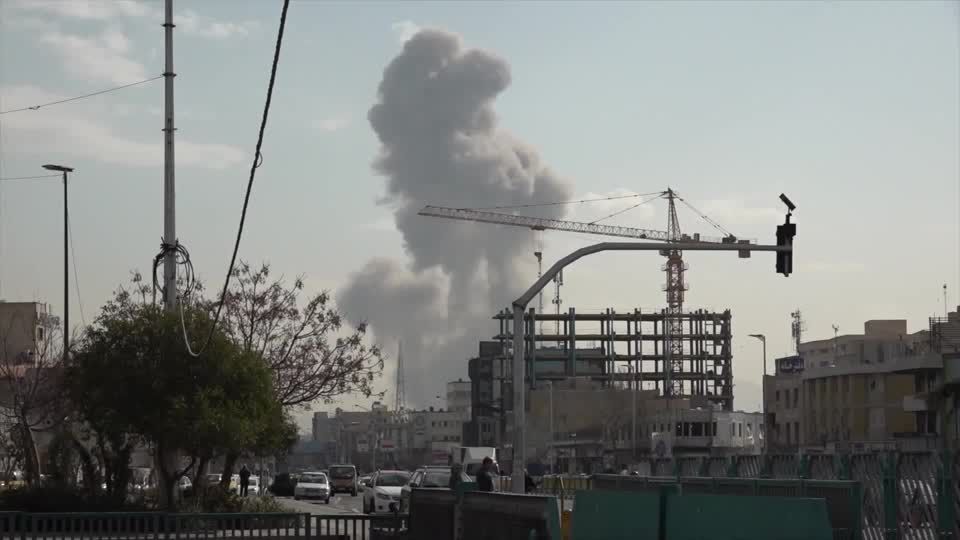
The concerns have intensified amid threats by Yemen’s Iran-aligned Houthi movement to target Saudi ports and disrupt international shipping in the Red Sea. Pakistani officials fear that direct attacks on the kingdom, or an expansion of Houthi operations, could trigger a Saudi military response and widen the conflict.
Pakistan’s Foreign Ministry said on Wednesday that Islamabad was “deeply concerned over attempts to drag the Kingdom of Saudi Arabia into the war in the Middle East.”
The ministry reaffirmed Pakistan’s “unwavering support for the security, sovereignty, territorial integrity and prosperity of the brotherly Kingdom of Saudi Arabia.”
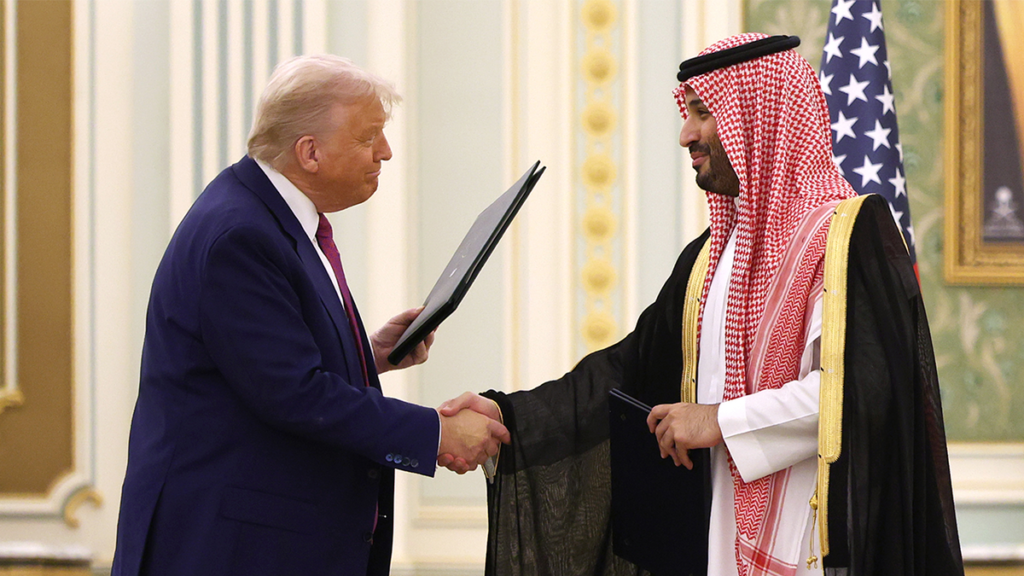
Islamabad’s position reflects the close military and security relationship between Pakistan and Saudi Arabia. The two countries have long maintained defence cooperation, and Pakistani officials have repeatedly described Saudi security as a major strategic priority.
Analysts say a direct attack on Saudi territory or critical infrastructure could place Pakistan under intense pressure to support Riyadh, particularly if existing defence arrangements are invoked.
Such a scenario would leave Islamabad facing what observers describe as a double trap: refusing to assist Saudi Arabia could damage one of Pakistan’s most important strategic relationships, while military involvement could draw the country into a complex and potentially prolonged regional war.
Pakistan is already struggling with economic pressures, domestic security challenges and geopolitical tensions in South Asia. Direct involvement in a Middle Eastern conflict could further strain its military resources and deepen political divisions at home.
Islamabad is also concerned about the economic consequences of instability in Saudi Arabia and the Red Sea. Pakistan depends heavily on imported energy, while millions of Pakistani nationals live and work in Gulf countries, particularly Saudi Arabia.
Any disruption to energy markets, shipping routes or remittance flows could have serious consequences for Pakistan’s fragile economy.
The Houthi threats against Saudi ports have therefore raised concerns far beyond the immediate military risk. Islamabad views attacks on Saudi shipping facilities and maritime infrastructure as a threat to regional trade, energy security and freedom of navigation.
Pakistani officials also fear that continued attacks by armed groups using increasingly advanced weapons could eventually leave Riyadh with little choice but to respond militarily.
That, in turn, could place Pakistan’s defence commitments under greater scrutiny and increase pressure on Islamabad to provide military, logistical or intelligence support.
Pakistan has sought to use diplomatic channels to discourage further escalation, warning that attacks against Saudi Arabia, whether carried out directly or through regional proxies, could expand the conflict beyond the Middle East.
Islamabad has also urged the international community to press all parties to halt threats against ports, commercial shipping and civilian infrastructure.
Pakistan’s position remains carefully balanced. It continues to emphasise its support for Saudi sovereignty and security while seeking to avoid direct involvement in a wider confrontation.
However, Pakistani policymakers increasingly fear that further escalation could sharply narrow Islamabad’s options, leaving it caught between its longstanding commitment to Saudi Arabia and the potentially devastating consequences of entering another regional war.