Saudi Arabia reported fresh injuries and damage at two international airports on Sunday as Yemen’s Houthis claimed responsibility for a deadly strike on Riyadh’s main airport a day earlier, raising fears of a wider escalation in the regional conflict.
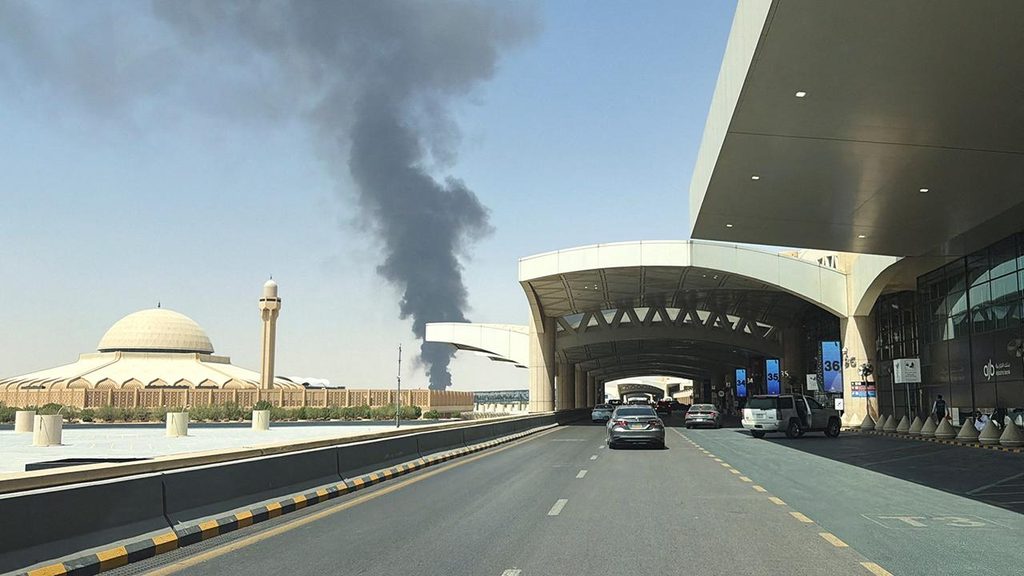
Saudi authorities said an unidentified projectile struck Terminal 4 at King Khalid International Airport in Riyadh on Sunday, triggering a fire and injuring an unspecified number of people.
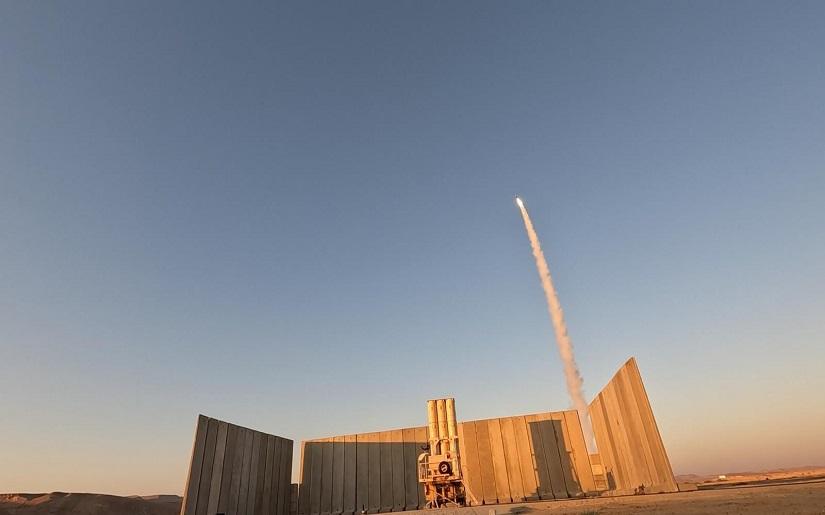
The Saudi-led coalition said air defences had intercepted a cruise missile near the airport, while another drone was intercepted and destroyed in the kingdom’s Eastern Province.
The latest incident came less than 24 hours after Saturday’s attack on the Riyadh airport killed 13 people and wounded more than 300, marking one of the deadliest strikes on Saudi civilian aviation facilities during the current conflict.
The airport remained closed on Sunday as authorities assessed damage and security risks.
Houthis claim strikes on airports and oil facilities
Houthi military spokesperson Yahya Saree claimed responsibility for Saturday’s deadly strike during a televised address on Sunday.
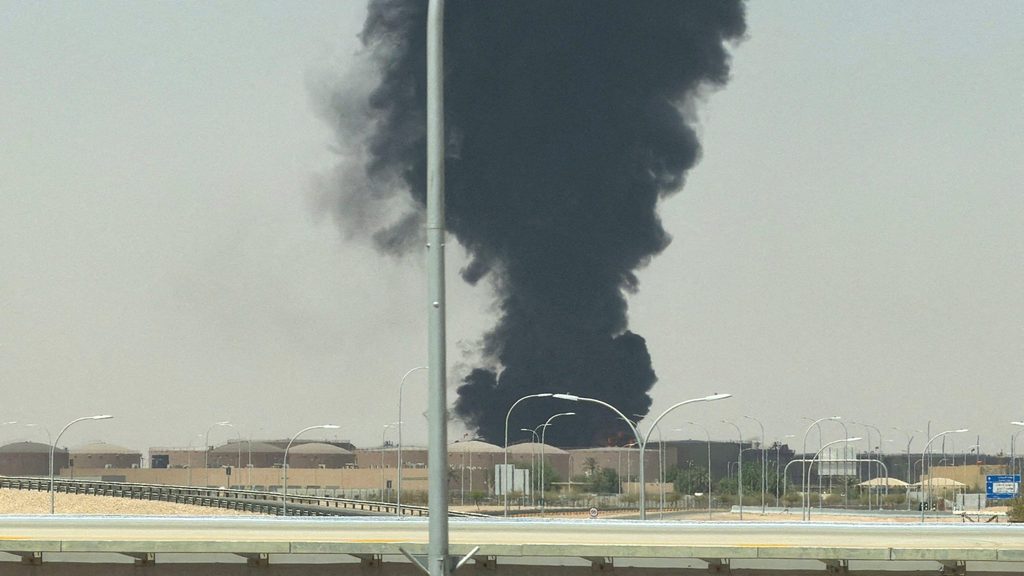
He also said the group had targeted King Fahd International Airport in Dammam and two facilities belonging to Saudi oil giant Aramco.
Saudi aviation authorities subsequently confirmed an attack on Dammam airport, saying inspections and damage assessments were underway.
An eyewitness aboard an aircraft taxiing at the airport told Reuters that a projectile struck the tarmac near several parked planes at approximately 8:30 p.m. local time, sparking a fire.
The aircraft returned to its gate, where passengers were instructed to disembark and leave the airport.
Flight-tracking data showed delays and cancellations affecting several arrivals and departures.
Saudi officials and Aramco did not immediately respond to requests for comment on the alleged attacks against the oil facilities.
The Houthis also renewed warnings to airlines, airport employees and passengers against using Saudi airports, claiming Riyadh would bear responsibility for casualties resulting from failed air defence interceptions.
Houthis warn of further escalation
The attacks follow an intensification of Saudi military operations in Yemen, where Riyadh has launched air strikes against Houthi positions and supported a government counteroffensive following territorial gains by the group along the Red Sea coast.
The Houthis claimed Saudi aircraft carried out 124 strikes across Yemen within 24 hours, including attacks targeting the capital Sanaa and the northern Saada stronghold. The figure could not be independently verified.
Yemen’s Houthi-run foreign ministry warned that continued Saudi operations would provoke a stronger military response.
“Unless the Saudi enemy stops its aggression and interference in Yemen, worse is yet to come, God willing,” the ministry said in remarks broadcast by Houthi-run Al Masirah television.
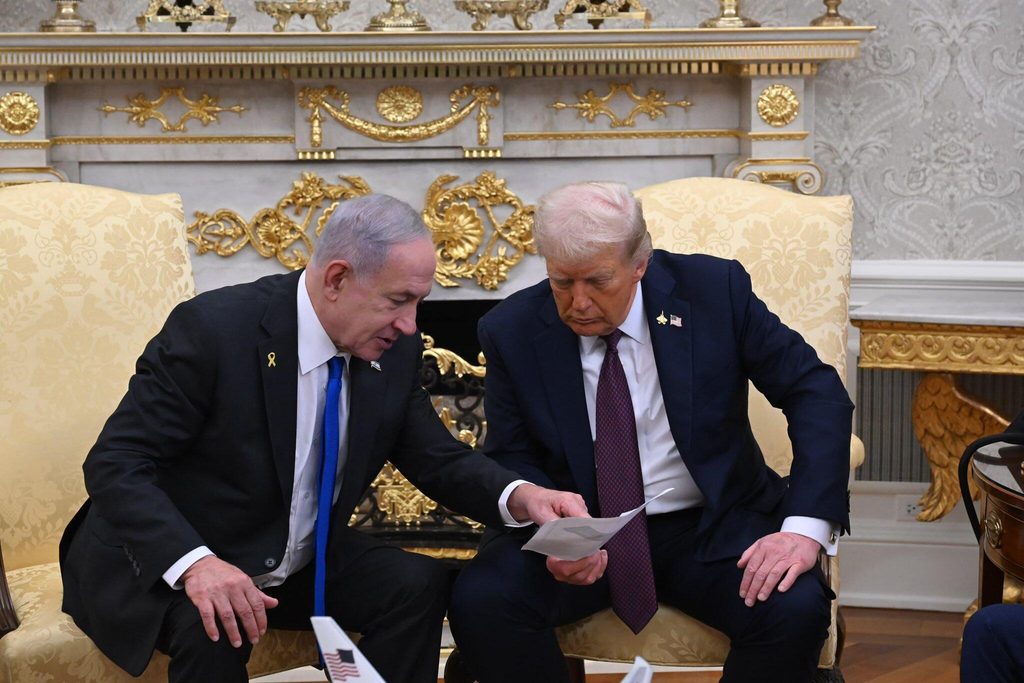
US President Donald Trump said on Saturday that Washington was considering joining Saudi military operations against the Houthis, potentially expanding American involvement in a confrontation linked to the wider regional war with Iran.
Saudi capital faces mounting disruption
Despite the attacks, Saudi Arabia proceeded with major international energy meetings in Riyadh.
A five-day WPC Energy conference opened on Sunday at a convention centre approximately 10 kilometres from the airport, while a ministerial gathering of the International Energy Forum also went ahead.
However, the closure of Riyadh’s airport disrupted international travel arrangements, including those of German Economy Minister Katherina Reiche, whose planned return to Berlin was thrown into doubt.
Saudi authorities also announced that schools across Riyadh would shift to remote education until Thursday, affecting students, teachers and administrative staff.
Saturday’s fatalities included four Saudi nationals, two Bangladeshis and citizens of the United States, Jordan, Palestine, Syria, Sudan and Egypt.
India’s embassy subsequently confirmed that an Indian national injured in the attack had died, raising the overall toll from 12 to 13.
The Saturday strike was the third attack on Riyadh’s airport within a week. Two earlier incidents killed four people, while one caused extensive damage to a Saudi commercial aircraft parked on the tarmac.
The continuing attacks have raised questions about the effectiveness of Saudi air defences and the kingdom’s ability to protect critical infrastructure as its confrontation with the Houthis intensifies.
With both sides threatening further military action, the targeting of airports and alleged strikes against oil facilities are increasing concerns that the conflict could further disrupt regional aviation and energy supplies.