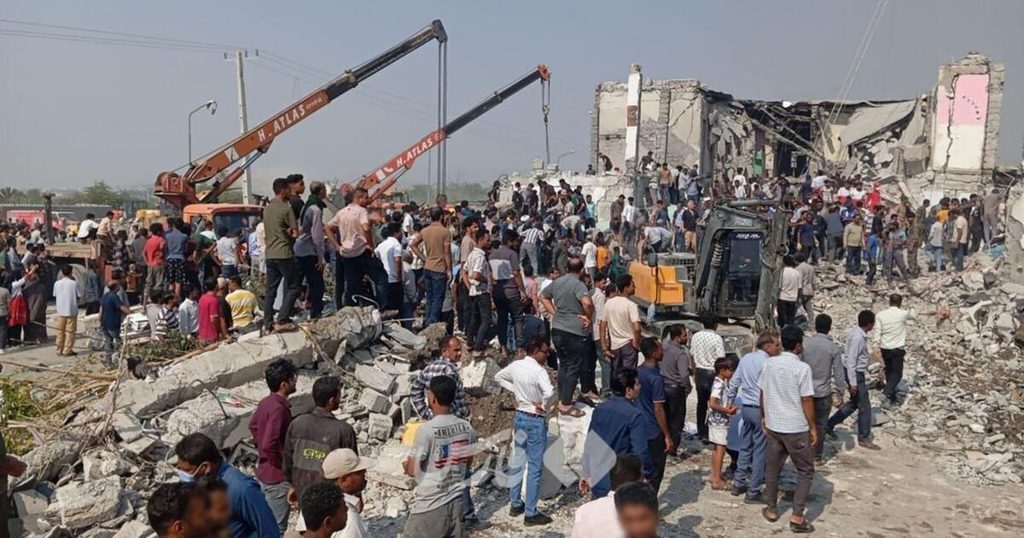
Saudi Arabia and Yemen’s Iran-backed Houthis exchanged fresh strikes on Thursday as fighting spread across the region, killing at least one person in Saudi Arabia and forcing civilians in Yemen to flee across the Red Sea.
Houthi-run television reported new Saudi air strikes in Hajjah province near the Saudi border and around Taiz further south.
Saudi Arabia’s civil defence said a Yemeni resident was killed by debris from a drone intercepted over the western city of Taif, marking the first death announced by Riyadh since Houthi attacks intensified last week. Saudi authorities have previously reported more than 80 people wounded.
The escalation has also triggered new displacement inside Yemen and across the Red Sea.
In Djibouti, 50-year-old Wahida Omer arrived after crossing the Bab el-Mandeb Strait in a small boat from Yemen, according to footage released by the International Organization for Migration.
Omer said she fled after her village of Dhubab came under attack during the Houthis’ advance through Yemen’s Red Sea coastal areas. Her husband remained behind and she did not know what had happened to him.
“The sea was frightening, difficult,” she said, adding that passengers cried throughout the journey and had no food.
The IOM says more than 100,000 Yemenis have been displaced by the latest fighting, most of them within Yemen.
The Houthis have seized Yemen’s entire Red Sea coastline since last week following a rapid military advance. The group says Saudi aircraft have carried out hundreds of strikes, while Houthi forces have responded with missiles and drones targeting Saudi territory.
The Houthis also said they shot down a Saudi F-15 fighter jet on Wednesday.
Video released by the group showed fighters standing around burned wreckage and displaying what appeared to be part of an aircraft wing bearing Saudi markings. The claim has not been independently verified.
Houthi leader Abdul Malik al-Houthi called on Saudi Arabia to end what he described as its blockade and occupation of Yemen.
“We want the Saudis to cease their blockade and occupation of our country, and to stop their aggression against us,” he said in a televised address.
Regional war threatens oil routes
The fighting in Yemen and attacks on Saudi Arabia are adding pressure to global energy markets already disrupted by the wider Middle East war following U.S. and Israeli attacks on Iran in February.
Crude oil prices eased slightly on Thursday but remained above $100 a barrel after reaching their highest levels since May.
Fuel prices have also risen sharply, with average U.S. diesel prices climbing to nearly $6.40 a gallon, a record high.
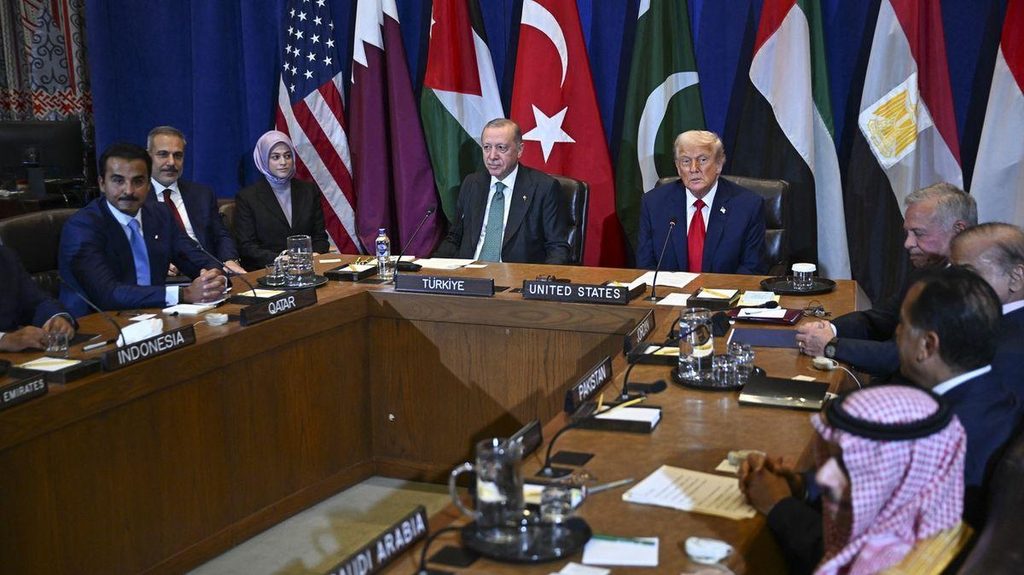
U.S. President Donald Trump has so far resisted Saudi requests for direct military support against the Houthis.
The group reached a ceasefire with Washington last year after two months of U.S. strikes.
Trump said on Wednesday that he hoped the broader war was approaching an end.
“Hopefully we are towards the end of the war,” he told reporters, adding that Iran wanted a deal with Washington.
No formal U.S.-Iran negotiations have taken place since an interim agreement reached in June collapsed several weeks later.
The U.S. Navy is meanwhile attempting to escort vessels through the Strait of Hormuz while Washington maintains a blockade of Iranian ports.
Iran says the strait will remain closed until the blockade is lifted and has proposed an arrangement under which neighbouring Gulf states would allow Tehran to collect fees from ships transiting the waterway.
The escalation in Yemen has also placed another major energy route at risk.
The Houthis now control Yemen’s Red Sea coast and islands around the Bab el-Mandeb Strait, a critical shipping chokepoint linking the Red Sea with the Gulf of Aden.
Saudi Arabia’s East-West Pipeline, which carries crude across the kingdom to export terminals on the Red Sea, has been shut since it was struck last week in an attack Riyadh said originated from Iraq, where Iran-backed armed groups operate.