U.S. President Donald Trump agreed to a two-week ceasefire with Iran just hours before a self-imposed deadline that had raised fears of a major escalation, marking a sudden shift from earlier threats of devastating strikes on Iranian infrastructure.
The deal, announced on Trump’s Truth Social platform, is conditional on Iran reopening the Strait of Hormuz, a vital global energy corridor through which roughly one-fifth of the world’s oil supply passes. Tehran signaled it would halt counter-attacks and ensure safe passage through the waterway.
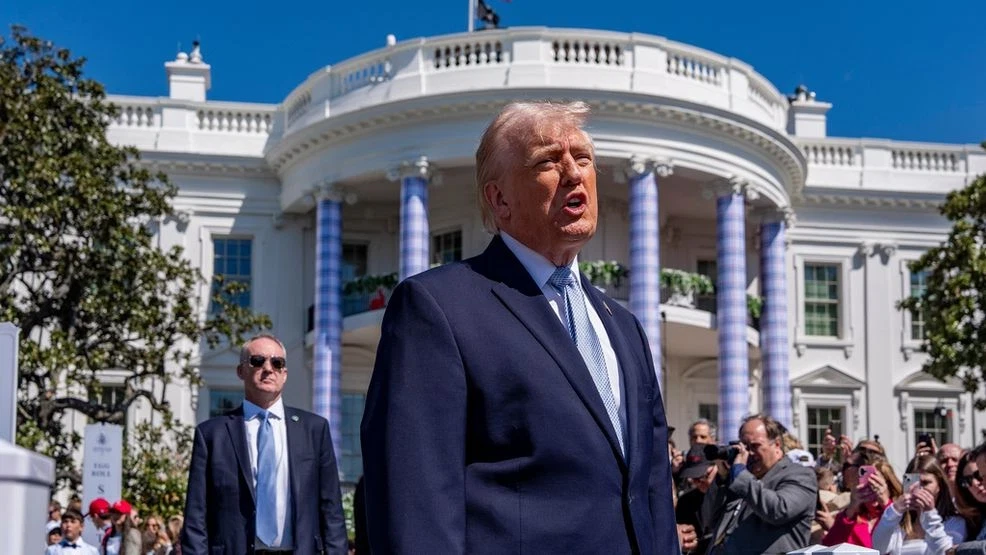
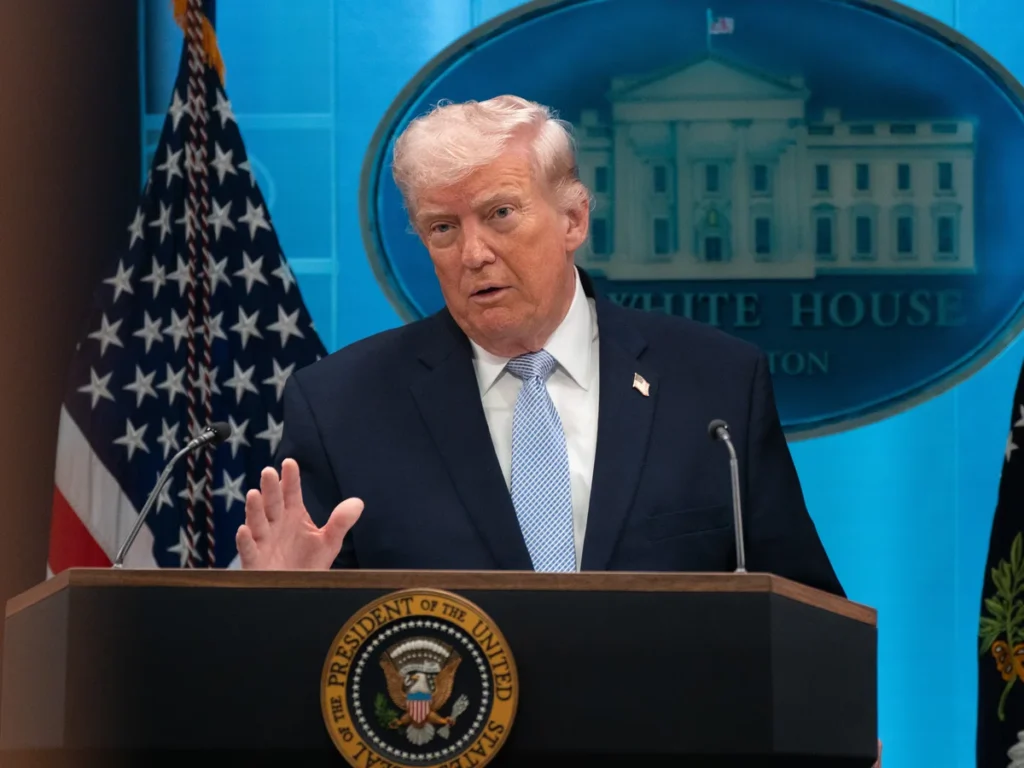
“This will be a double sided ceasefire,” Trump said, adding that U.S. military actions had already achieved key objectives and created leverage for negotiations toward a broader agreement.
Iran, however, framed the development as a political win, with its Supreme National Security Council stating that Washington had effectively accepted Iranian terms.
White House Press Secretary Karoline Leavitt rejected that characterization, calling the agreement “a victory for the United States” made possible by military pressure that forced Iran to engage diplomatically.
The ceasefire comes after six weeks of war that has killed more than 5,000 people across nearly a dozen countries, including over 1,600 civilians in Iran, according to official and humanitarian estimates.
Pakistan’s Prime Minister Shehbaz Sharif, who helped mediate the deal, said Iranian and U.S. delegations had been invited to talks in Islamabad later this week.
Israel has also agreed to pause its bombing campaign during the ceasefire period, according to U.S. officials, while Iran-backed groups in Iraq said they would suspend operations for two weeks.
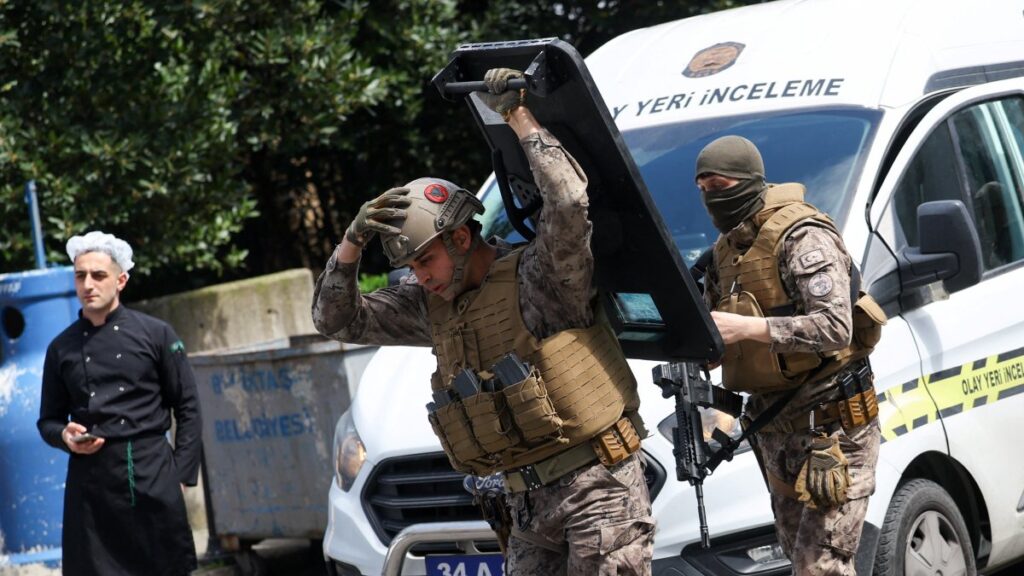
Despite the agreement, hostilities did not immediately stop. Israeli authorities reported missile launches from Iran shortly after the announcement, while Gulf states including Saudi Arabia, the United Arab Emirates and Bahrain activated air defences amid ongoing threats.
The ceasefire is seen by some officials as a fragile “trust-building exercise,” with concerns that Iran could use the pause to regroup.
Trump had earlier issued stark warnings, threatening to destroy Iran’s infrastructure if the strait remained closed. Those remarks drew widespread international condemnation, including from the United Nations and religious leaders, over potential violations of international law.
Markets reacted positively to the ceasefire news, with oil prices falling sharply and U.S. stock futures rising, easing fears of a prolonged disruption to global energy supplies.
Trump said a 10-point proposal from Iran could form the basis of a longer-term agreement, which he expects to be finalized during the two-week window.
However, uncertainty remains high as both sides test the durability of the truce while continuing to exchange accusations and maintain military readiness.