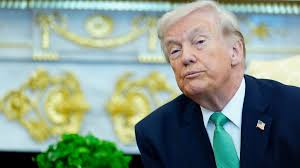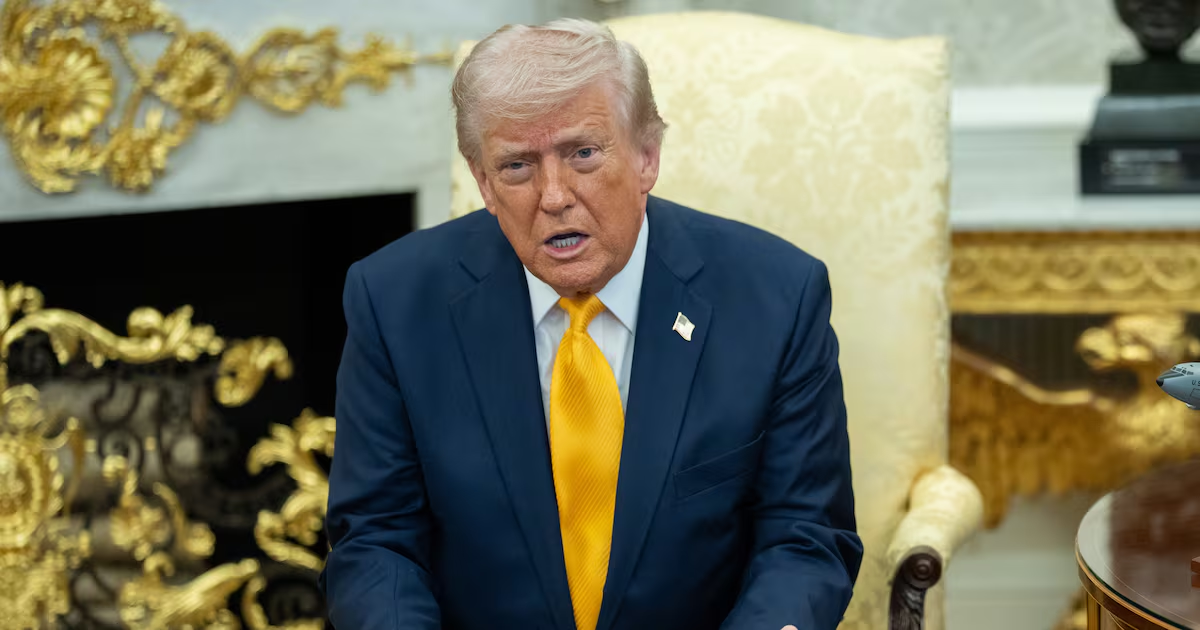
US President Donald Trump said Monday he has ordered a five-day delay on planned military strikes targeting Iran’s power plants, signaling a potential pause in a rapidly escalating conflict now entering its fourth week.
In a post on Truth Social, Trump said Washington and Tehran had held “very good and productive” talks over the past two days, aimed at reaching a “complete and total resolution of hostilities in the Middle East.” He added that the Pentagon had been instructed to hold off on attacks pending the outcome of ongoing discussions.
Diplomatic efforts appear to be underway behind the scenes. According to Axios, officials from Türkiye, Egypt and Pakistan have been engaging both US envoy Steve Witkoff and Iranian Foreign Minister Abbas Araghchi in separate meetings focused on ending the war and resolving key disputes.
Iran acknowledged there were “initiatives” to reduce tensions but insisted Washington must take part directly in negotiations, describing the US as the party that initiated the conflict.
Markets reacted sharply to Trump’s announcement. Brent crude briefly dropped around 13% before stabilizing near $101 per barrel, while US stock futures rebounded into positive territory after earlier losses.
The delay comes just hours before a US-imposed deadline that had threatened major escalation. Trump had warned over the weekend that Iranian power infrastructure would be “obliterated” if Tehran failed to reopen the Strait of Hormuz within 48 hours.
Iran responded with its own threats. The Revolutionary Guard said it would target Israel’s power grid and infrastructure supplying US bases across the Gulf if Washington proceeded with strikes. Iranian officials also warned they could mine Gulf waters, effectively expanding disruptions beyond the Strait of Hormuz.
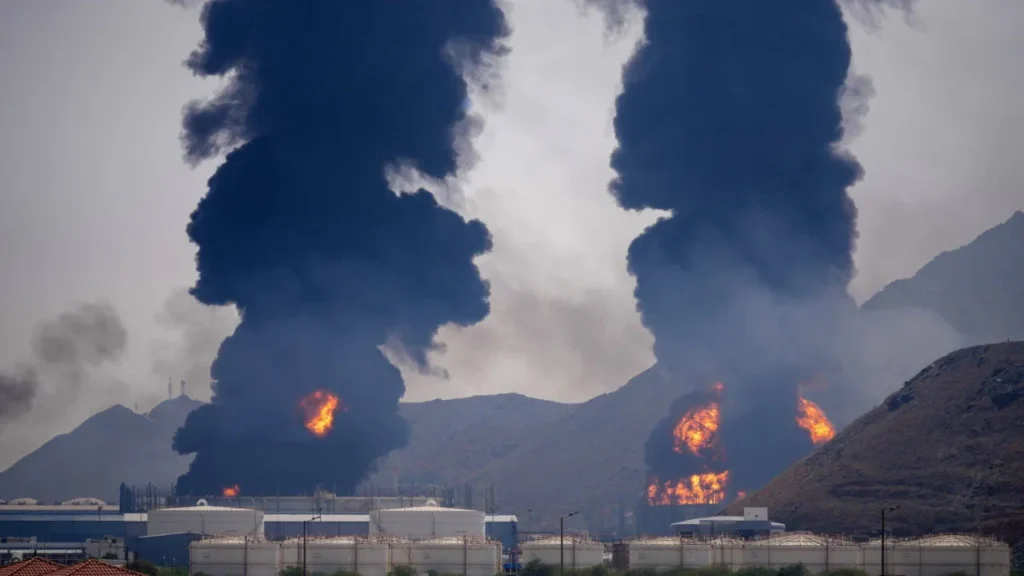
The risk of targeting energy infrastructure has raised alarm across the region, particularly in Gulf countries heavily reliant on electricity for desalination. Nations such as Bahrain and Qatar depend almost entirely on desalinated water, while the United Arab Emirates and Saudi Arabia rely on it for the majority of their supply.
Meanwhile, Israeli forces launched a new wave of strikes on Tehran and other areas. Iranian media reported casualties in multiple locations, including residential areas in Khorramabad and infrastructure sites in Bushehr.
The conflict, which began on Feb. 28 with US and Israeli strikes on Iran, has already killed more than 2,000 people and triggered major volatility in global energy markets. Analysts warn that further escalation—particularly involving Gulf energy infrastructure—could have severe global economic consequences.