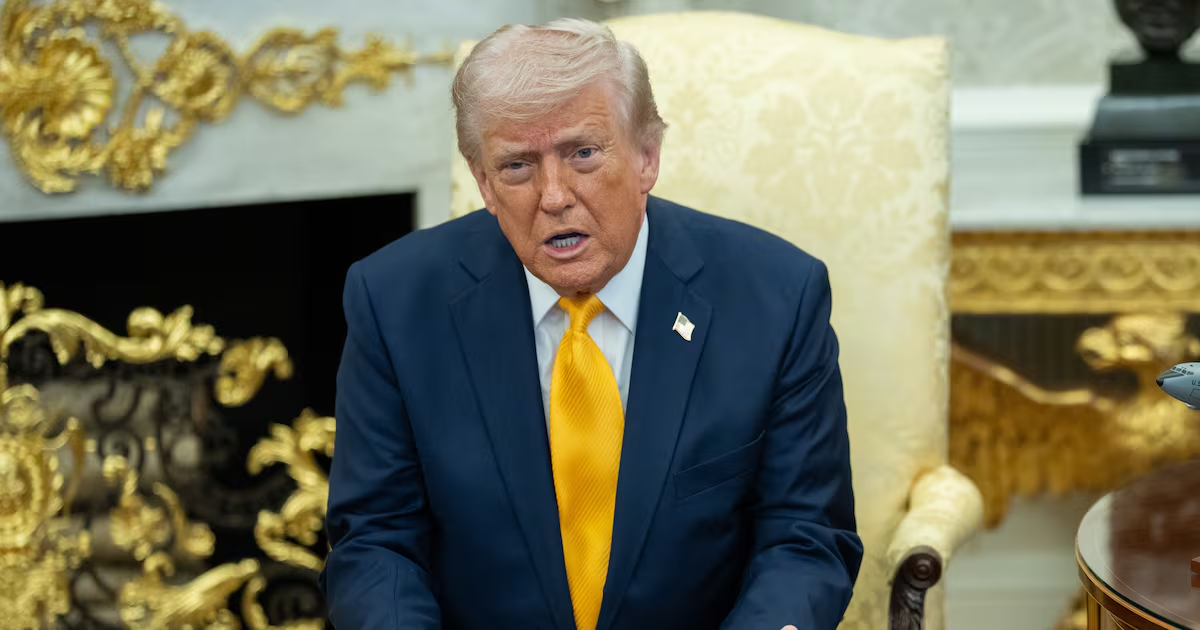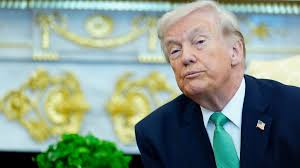
U.S. President Donald Trump said on Monday that Washington and Tehran have reached “major points of agreement” in ongoing talks, raising the prospect of a deal to end the escalating war launched last month.
Speaking to reporters before departing Florida, Trump said discussions held over the weekend between U.S. envoys — including Steve Witkoff and Jared Kushner — and Iranian representatives had made significant progress, with further talks expected.
“We have had very, very strong talks… we have points, major points of agreement — almost all points of agreement,” Trump said. “We are in the throes of a real possibility of making a deal.”
Trump declined to identify who the United States is engaging with inside Iran but said it does not involve Supreme Leader Ayatollah Mojtaba Khamenei. “We’re dealing with the man who I believe is the most respected and the leader,” he added, without elaborating.
Iranian state-linked media pushed back on the claims, with Fars news agency citing a source saying there are no direct or indirect negotiations underway with Washington.
The remarks came hours after Trump announced a five-day postponement of planned U.S. strikes on Iran’s power plants and energy infrastructure, a move that signaled a temporary de-escalation after days of mounting threats.
Markets reacted immediately to the shift in tone. Oil prices fell sharply, the dollar weakened, and global equities rose, reflecting reduced fears of a wider regional disruption.
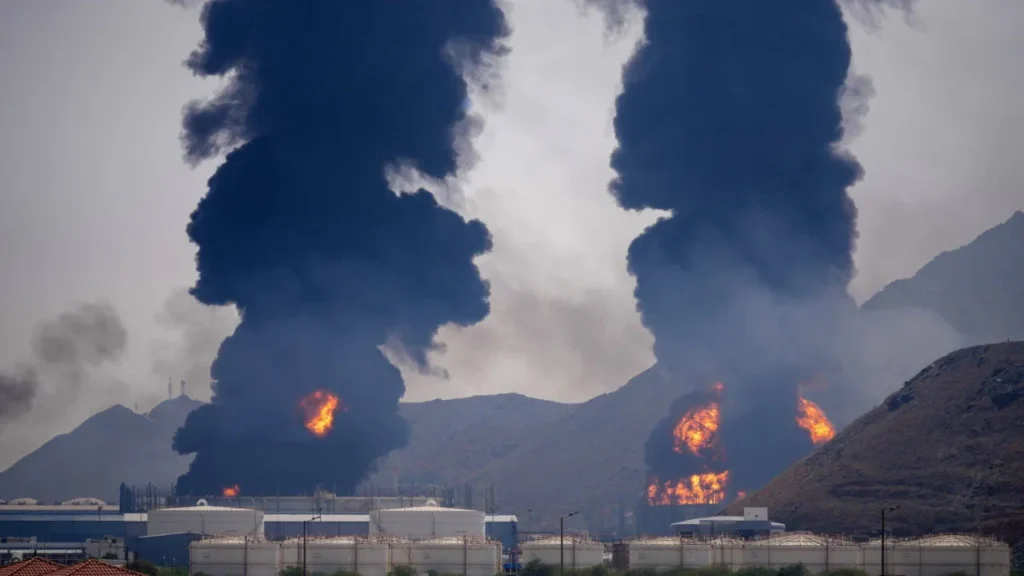
The crisis has centered in part on the Strait of Hormuz, a critical chokepoint for global energy supplies. Iranian actions have effectively halted traffic through the waterway, which carries roughly 20% of the world’s oil and LNG shipments.
Trump had previously threatened to “obliterate” Iran’s power infrastructure if Tehran did not reopen the strait within 48 hours. On Monday, he said the passage could be reopened “very soon” if talks succeed, suggesting it might be subject to some form of joint control, though he provided no details.
Iran has warned it would retaliate by targeting energy infrastructure in Israel and across Gulf states hosting U.S. military assets if its own facilities were attacked.
The war, launched on February 28, has already killed more than 2,000 people and triggered sharp volatility in global energy markets, while raising fears over water security in the Gulf due to the vulnerability of desalination plants.