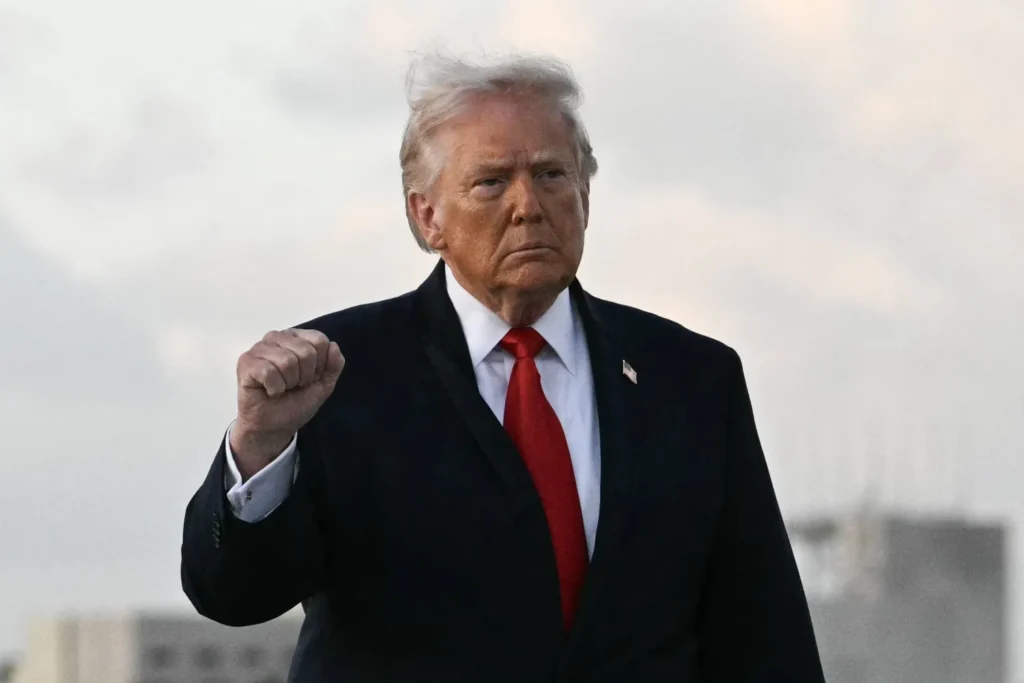
U.S. President Donald Trump on Sunday ordered preparations for a naval blockade of the Strait of Hormuz, sharply escalating tensions after high-stakes talks with Iran collapsed without agreement, threatening to unravel a fragile ceasefire and disrupt global energy flows.
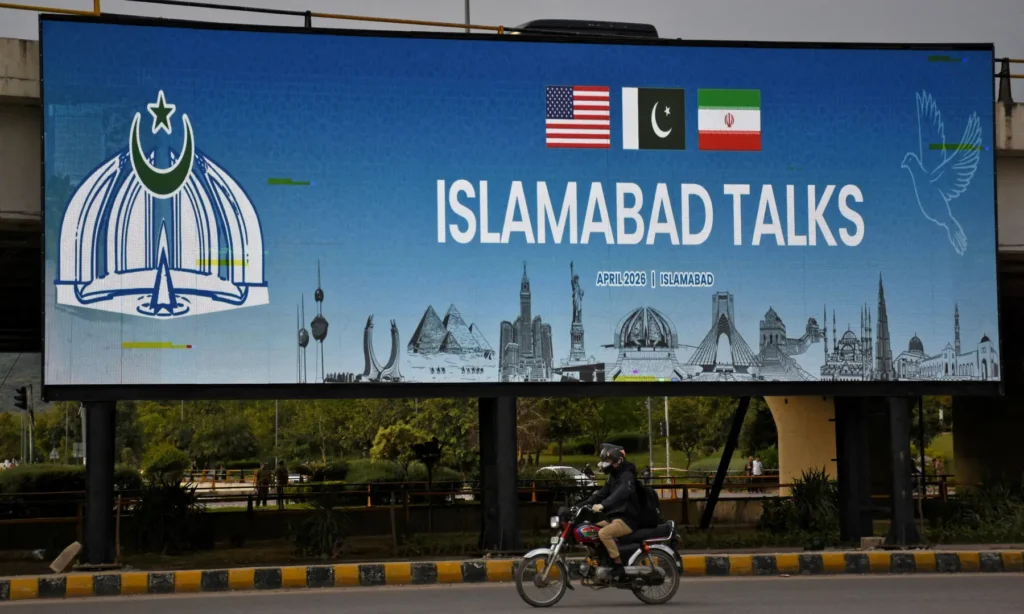
The move follows marathon negotiations in Islamabad — the first direct high-level talks between Washington and Tehran in more than a decade — which failed to bridge deep divisions over Iran’s nuclear programme and control of the strategic waterway.
In a series of statements, Trump said the U.S. Navy would begin “interdicting” vessels entering or leaving the strait, and target ships that pay transit fees to Iran, calling such payments illegal under international law. He also ordered the clearance of what Washington claims are Iranian naval mines deployed in the channel.
The Strait of Hormuz, a narrow chokepoint between Iran and Oman, carries roughly 20% of global oil supply and remains one of the most strategically sensitive maritime corridors in the world. Any disruption risks immediate shocks to global markets, with oil prices already volatile following weeks of conflict.
Talks collapse, blame traded
Both sides blamed each other for the breakdown.
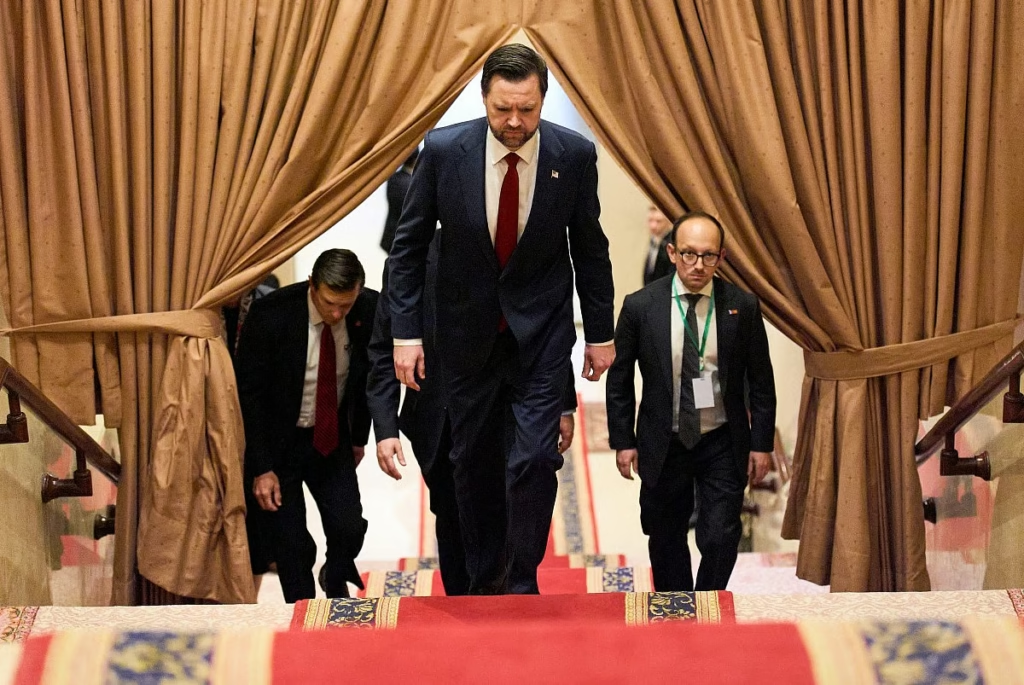
U.S. Vice President JD Vance, who led the American delegation, said Iran had refused to commit to abandoning its nuclear ambitions — a core demand for Washington.
“Iran is unwilling to give up its nuclear programme,” Trump said, signaling that military and economic pressure would intensify.
Iranian officials pushed back, accusing the U.S. of making “maximalist” demands. Parliamentary Speaker Mohammad Baqer Qalibaf said Tehran had offered “forward-looking initiatives” but questioned Washington’s willingness to build trust after decades of hostility.
Iranian media indicated partial progress on secondary issues, but confirmed that the nuclear file and the future of the Strait of Hormuz remained the primary sticking points.
Iran’s demands widen conflict scope
According to Iranian officials and state media, Tehran entered talks with broader regional demands, including:
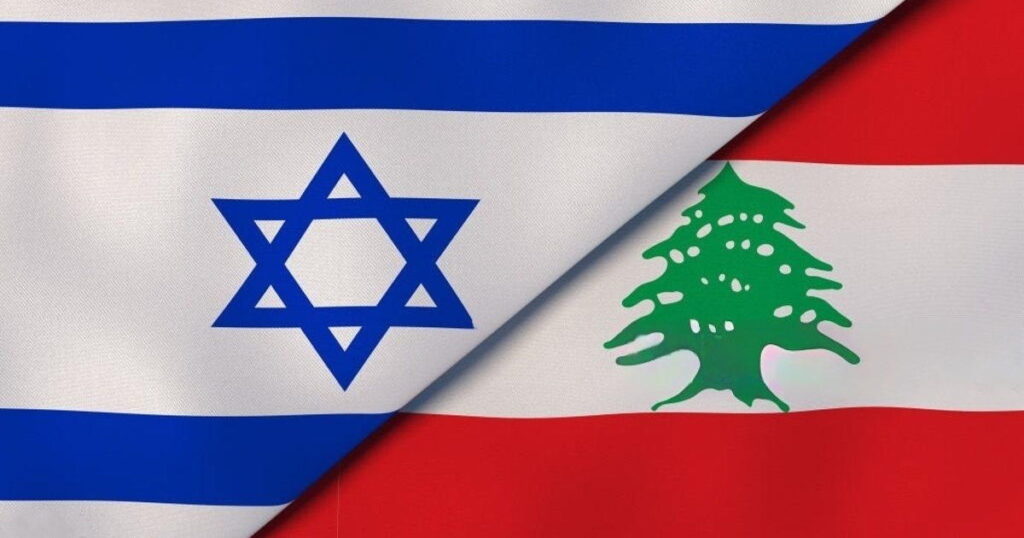
- A ceasefire in Lebanon and an end to Israeli strikes on Hezbollah
- War reparations linked to recent fighting
- Control or oversight mechanisms in the Strait of Hormuz
- Access to frozen Iranian assets held abroad
These conditions were seen by Western officials as non-starters, further complicating negotiations.
Ceasefire under strain
The failed talks cast doubt over a two-week-old ceasefire that had briefly reduced hostilities after nearly six weeks of fighting that killed thousands and destabilised the region.
Despite the truce, Israeli airstrikes continued against Hezbollah targets in Lebanon, with Israeli officials insisting the Lebanon front is separate from the U.S.-Iran ceasefire framework. Hezbollah has continued cross-border fire, triggering air raid sirens in northern Israel.
Diplomatic pressure is mounting to preserve the ceasefire. Pakistan, which hosted the talks, warned that maintaining calm is “imperative,” while Pope Leo called for a broader and lasting truce, particularly to protect civilians in Lebanon.
Energy markets and military risks
Even limited disruption in Hormuz is already impacting shipping behavior. While some tankers resumed transit following the ceasefire announcement, maritime risk premiums have surged, and several shipping firms are reassessing Gulf routes.
Analysts warn that a U.S. naval blockade — even partial — could trigger:
- Immediate oil price spikes above recent highs
- Retaliatory Iranian action, including swarm attacks or further mining
- Broader military escalation involving Gulf states and NATO allies
Trump said some allies had expressed willingness to support operations, though no formal coalition has been announced.
What comes next
Despite the escalation, U.S. officials signaled that diplomacy is not entirely closed. Trump said he expects Iran to return to negotiations under pressure, while Iranian officials indicated talks could resume if Washington revises its demands.
For now, the situation remains highly volatile — with the Strait of Hormuz once again at the center of a potential global crisis.