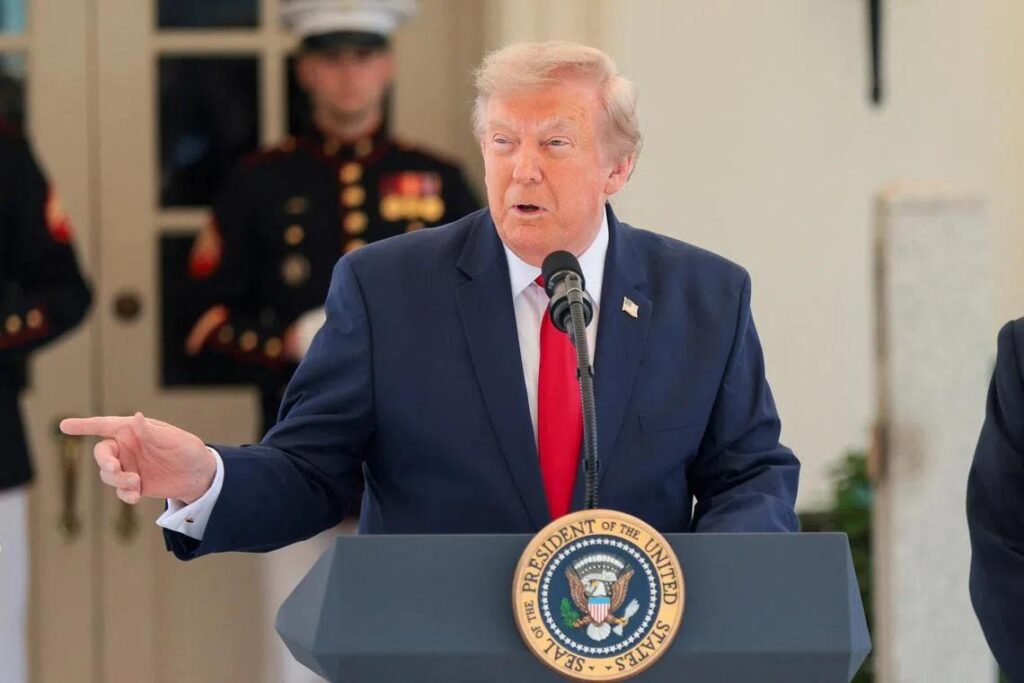
US President Donald Trump said on Thursday that he is seriously considering resuming expanded military operations against Iran, including strikes larger than those carried out during “Operation Epic Fury.”
“I am considering launching a major attack, bigger than ever before,” Trump told Axios in a brief interview. “I am close to making a decision, and we are fully prepared to carry it out.”
Trump acknowledged that such a move would have consequences but said he had not yet made a final decision or set a deadline.
The US president repeated his claim that Iranian officials wanted negotiations but were not currently prepared to reach an agreement.
“They have not felt enough pain yet,” he said.
Trump said Israel would join a new operation “within two minutes” if he requested its participation, although he insisted that Washington did not need assistance to conduct further strikes against Iran.
He also acknowledged that Israeli involvement could trigger additional consequences, apparently referring to the possibility of Iranian retaliation against Israel.
“My relationship with [Israeli Prime Minister Benjamin] Netanyahu is very good, and I will meet him if he comes here,” Trump said.
Despite the heightened rhetoric, two US officials told Axios that no new orders had been issued to the American military and that no related communications had taken place.
Two regional sources familiar with mediation efforts said Iran’s leadership had rejected a recently presented proposal.
“We are trying, but the Iranians are not cooperating,” one of the sources said.
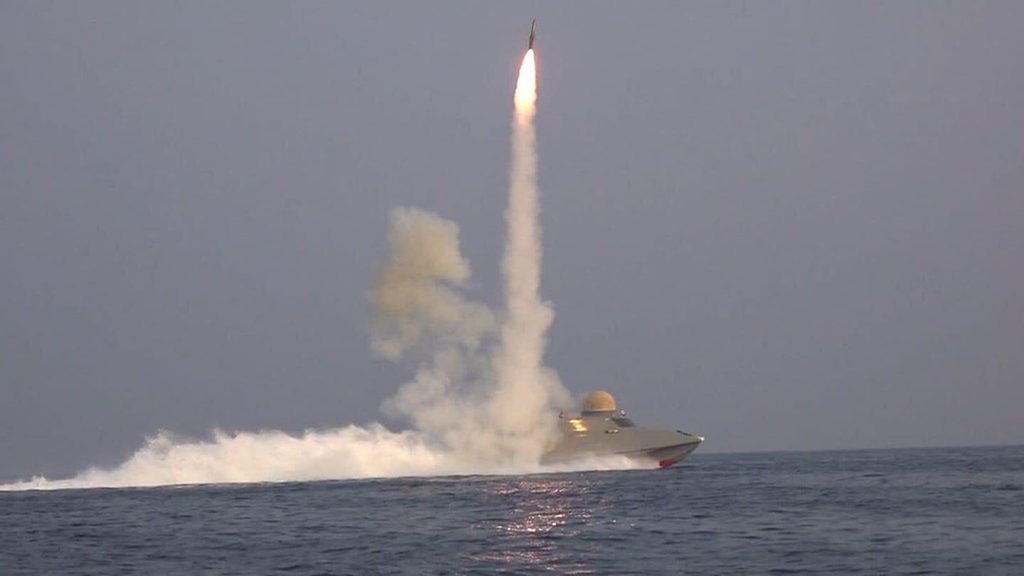
Earlier on Thursday, Trump warned that Washington would hold Iran responsible for any renewed Houthi attacks on commercial shipping, describing the Yemeni group as an Iranian “proxy or affiliate.”
In a post on Truth Social, Trump threatened what he called “major military punishment” against Iran and the Houthis.
Trump said the United States had launched a powerful campaign against the Houthis a year earlier over their attacks on shipping and claimed the group had subsequently acted responsibly during Washington’s conflict with Iran.
However, he said he was now deeply disappointed with the Houthis.
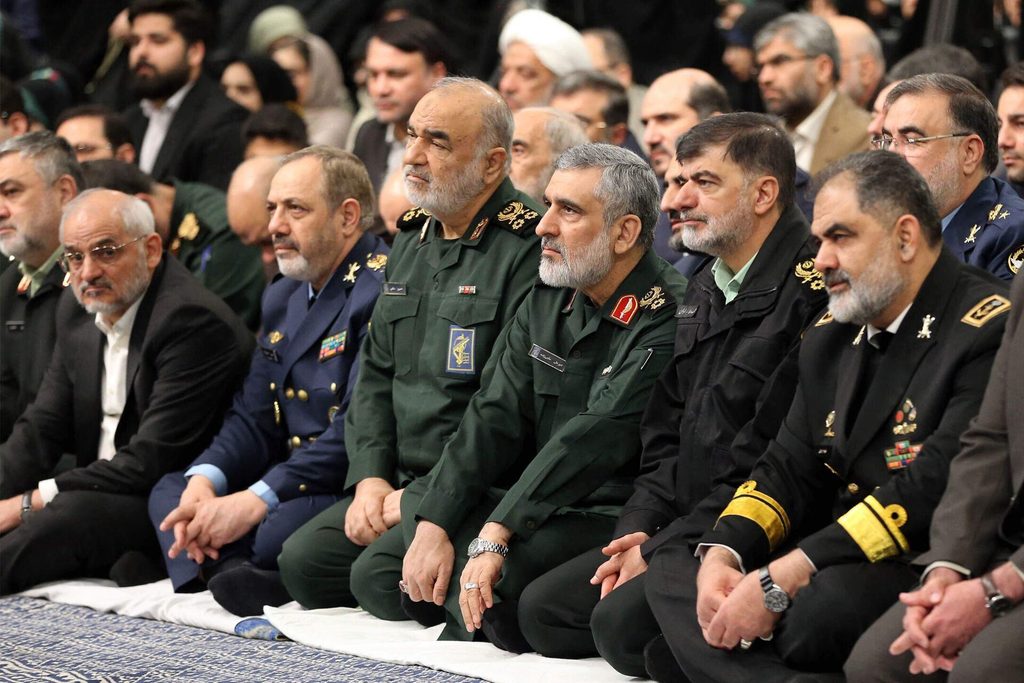
Iranian leaders, meanwhile, warned on Wednesday that any further attack on their country would produce consequences extending beyond the battlefield.
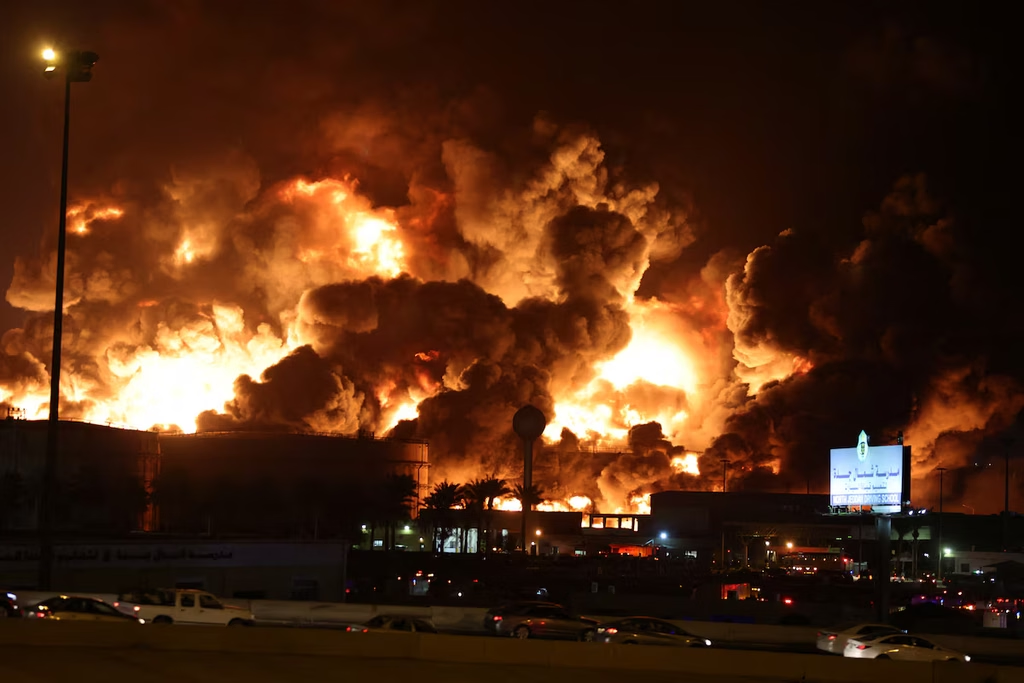
They said Tehran’s response could affect regional infrastructure, energy markets and navigation through the Strait of Hormuz. Iranian officials argued that the security of shipping and regional oil exports depended on Iran’s security and the absence of US forces from the region.
The latest escalation comes despite a memorandum of understanding signed by Washington and Tehran in June. The agreement called for an end to fighting that began on February 28 and the launch of negotiations toward a broader settlement.
Trump declared the ceasefire over on July 8 after tankers in the Strait of Hormuz were attacked in incidents Washington blamed on Tehran. The United States subsequently resumed strikes inside Iran.