US President Donald Trump said on Wednesday that the United States was making substantial profits from soaring oil prices driven by the war with Iran, while insisting he remained committed to bringing energy costs back to pre-war levels.
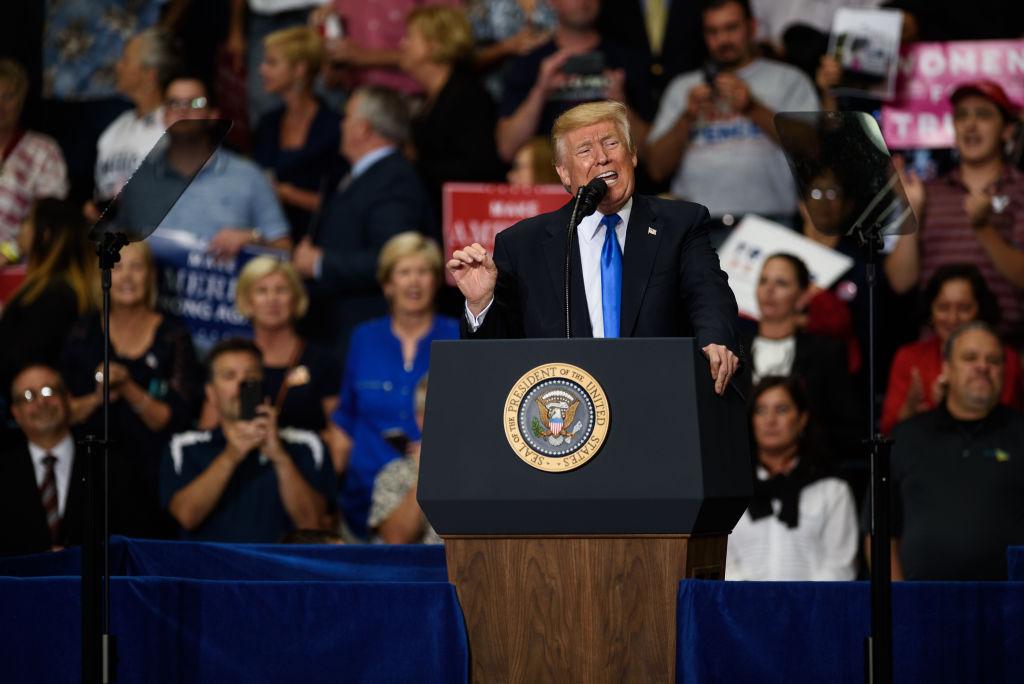
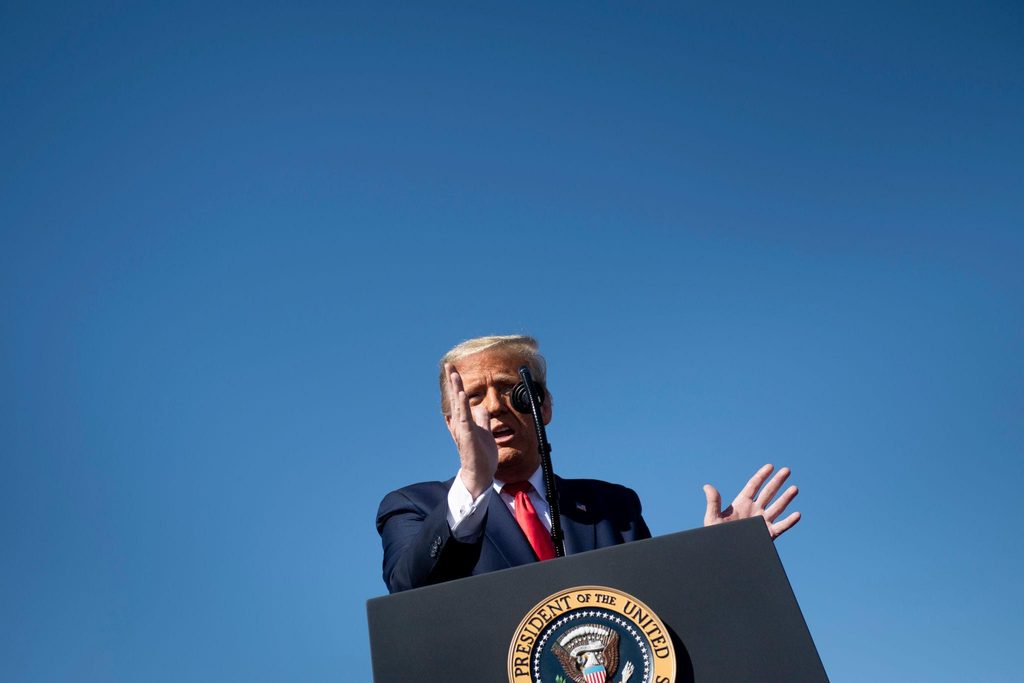
Speaking at a campaign rally in Bullhead City, Arizona, Trump highlighted the financial benefits of higher crude prices for major American oil-producing states, even as rising fuel costs continue to place pressure on households.
“Our country is making more money than it’s ever made, because of the fact that oil is so high,” Trump told supporters.
The president acknowledged that his remarks could fuel criticism that he was prioritising energy industry profits over the financial struggles of ordinary Americans.
Trump rejected that interpretation, insisting that he cared deeply about working-class households despite the economic advantages that elevated oil prices have brought to states such as Texas, Oklahoma and North Dakota.
He said those states were making a fortune from higher oil prices but stressed that he would not be satisfied until prices returned to their previous levels.
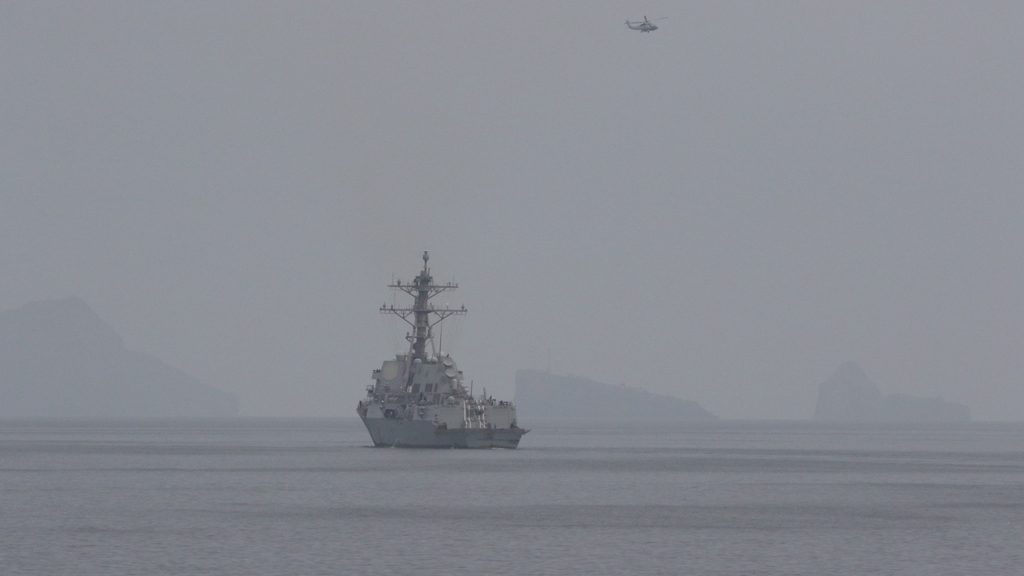
The remarks come as the prolonged US-Israeli war with Iran continues to disrupt global energy markets, pushing up crude oil prices and increasing fuel costs for American consumers.
Brent crude has remained above $100 a barrel, while US gasoline prices have climbed to approximately $4.33 per gallon, intensifying concerns about inflation and household purchasing power.
Although higher oil prices benefit American producers and energy-exporting states, they have also contributed to rising transportation and living costs across the country.
US inflation accelerated to 3.7 percent annually in September, with gasoline prices rising sharply, according to figures released on Wednesday.
Trump previously argued in March that rising oil prices presented an economic opportunity for the United States, the world’s largest oil producer, even as administration officials described the surge in fuel costs as a temporary disruption.