U.S. President Donald Trump has abruptly cancelled a planned visit by senior envoys to Pakistan, dealing a fresh blow to already fragile efforts to de-escalate the war with Iran.
The decision came just as Iran’s top diplomat, Abbas Araqchi, departed Islamabad following talks that produced no visible breakthrough.
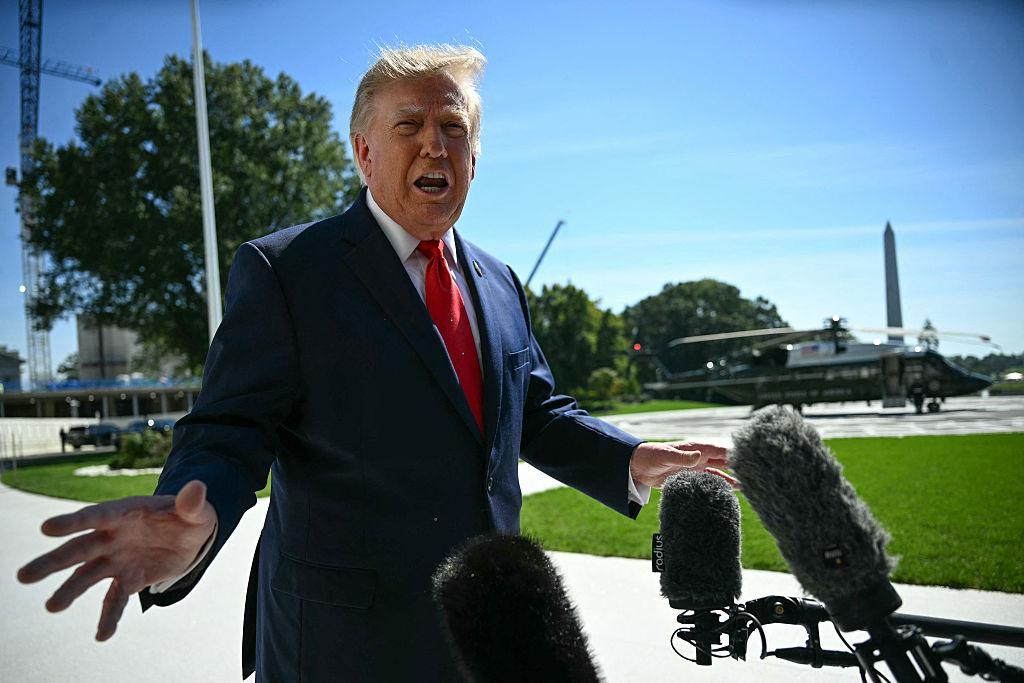
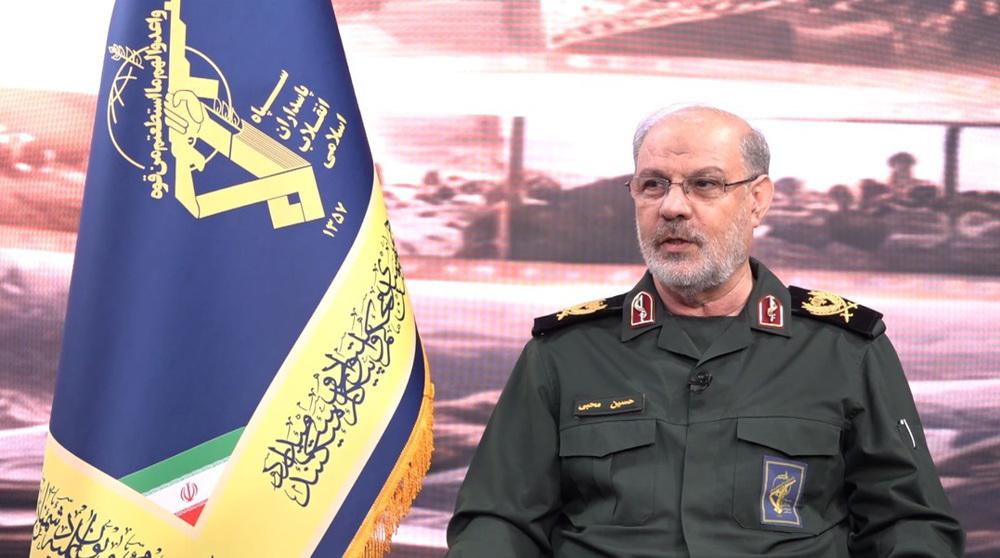
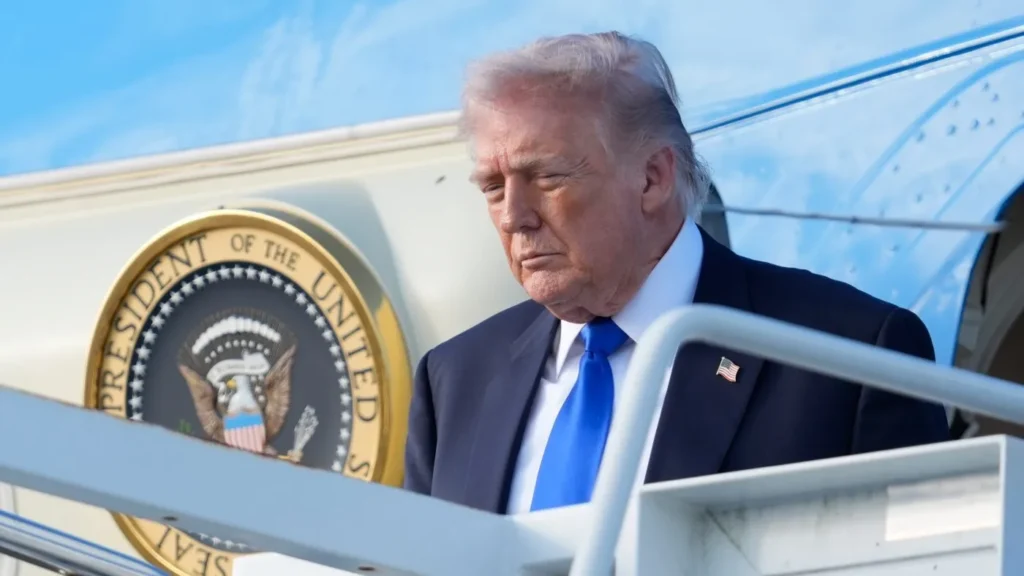
Trump said he called off the trip by envoy Steve Witkoff and adviser Jared Kushner, citing what he described as “confusion” within Iran’s leadership.
“Too much time wasted on traveling… tremendous infighting and confusion… nobody knows who is in charge,” Trump wrote, insisting Washington still holds the upper hand. “If they want to talk, all they have to do is call.”
The cancellation undercuts momentum around Pakistan’s mediation efforts, led by Prime Minister Shehbaz Sharif, which had been hosting indirect contacts between the two sides.
Araqchi, however, struck a more measured tone after the talks, describing them as “very fruitful” while questioning Washington’s intentions. “We have yet to see if the U.S. is truly serious about diplomacy,” he said.
Shortly after leaving Islamabad, Iranian media reported that Araqchi had arrived in Muscat, Oman, for further consultations with regional officials — a sign Tehran may be shifting its diplomatic track away from Pakistan.
Despite ongoing mediation attempts, Tehran has ruled out direct negotiations with Washington, with Iranian officials reiterating they will not accept what they describe as “maximalist demands” from the United States.
Stalemate deepens as war pressures mount
The diplomatic setback comes against the backdrop of a widening strategic standoff.
Iran has effectively tightened its grip on the Strait of Hormuz — a critical chokepoint that carries roughly a fifth of global oil and LNG shipments — while the United States continues efforts to choke off Iranian oil exports.
The conflict, triggered by U.S.-Israeli airstrikes on Iran on February 28, has since spiralled into a broader regional confrontation. Tehran has launched retaliatory strikes against Israel, U.S. bases, and Gulf targets, while a fragile ceasefire holds uneasily.
Energy markets remain on edge, with prices elevated and global economic risks mounting.
Earlier optimism from Washington had suggested possible progress, with officials even signalling that Vice President JD Vance was prepared to travel to Pakistan if talks advanced.
Instead, the latest developments point in the opposite direction — a breakdown in coordination, competing diplomatic tracks, and growing distrust between the two sides.