The United Arab Emirates has issued a strong condemnation of Iran following a wave of missile and drone attacks, describing Tehran’s actions as a sign of “moral bankruptcy” amid escalating tensions in the Gulf.
Dr. Anwar Gargash, diplomatic adviser to the UAE president, said in a series of posts on X that Iran’s targeting of civilians and critical infrastructure reflects a deliberate shift toward aggression in its regional policy. He added that Abu Dhabi’s position would remain firm despite what he called hostile manoeuvres by Tehran.
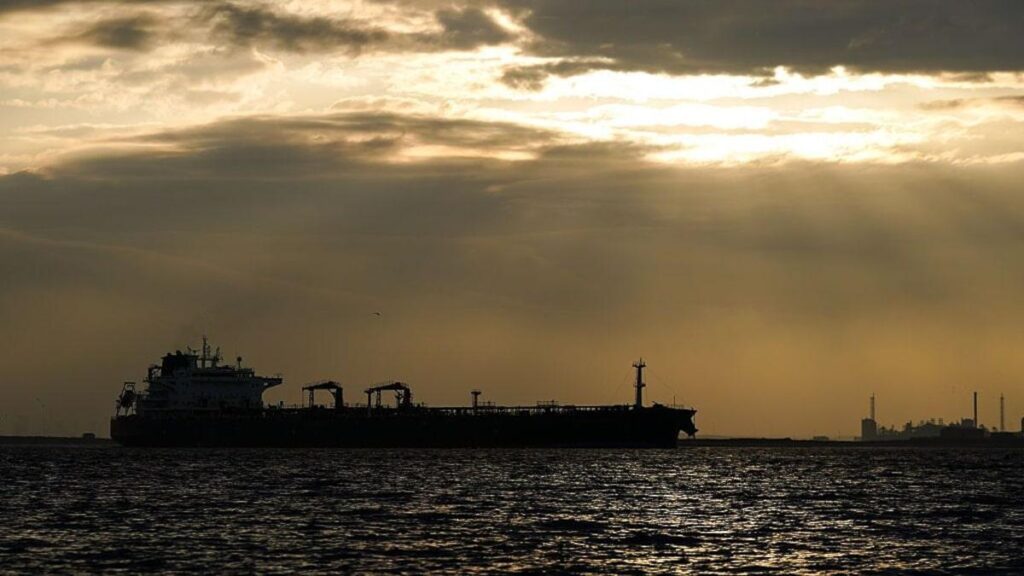
The remarks came after the UAE Ministry of Defence reported intercepting multiple cruise missiles and drones launched from Iran, alongside an attack on an oil tanker operated by the Abu Dhabi National Oil Company (ADNOC) in the Strait of Hormuz.
Officials said at least 15 missiles and four drones were involved in the assault, which caused material damage, including a fire at the Fujairah Oil Industry Zone. Three Indian nationals were reported injured, underscoring the risks to civilian life and key economic infrastructure.
The UAE Ministry of Foreign Affairs described the strikes as “treacherous” and reaffirmed the country’s right to respond in defence of its sovereignty and national security, in line with international law.
The escalation marks one of the most serious flare-ups since the April 8 ceasefire between Iran and the United States, raising concerns over the security of global shipping routes through the Strait of Hormuz.
Regional and international actors swiftly voiced support for the UAE. Saudi Arabia, Qatar, Kuwait, Bahrain and Jordan condemned the attacks and expressed solidarity with Abu Dhabi, particularly over threats to civilian infrastructure and maritime navigation.
Western leaders also criticised Tehran. German Chancellor Friedrich Merz called on Iran to return to negotiations, while French President Emmanuel Macron described the strikes as “unjustified and unacceptable.” The United Kingdom, Canada and the European Union similarly denounced the attacks as violations of sovereignty and international law.
Amid the external backlash, reports pointed to possible internal divisions within Iran’s leadership. Some sources suggested the Islamic Revolutionary Guard Corps may have acted without coordination with President Masoud Pezeshkian, who was reportedly angered by the escalation.
Despite the heightened rhetoric, UAE officials signalled that diplomacy remains on the table, even as they hold Iran responsible for the attacks and their consequences.