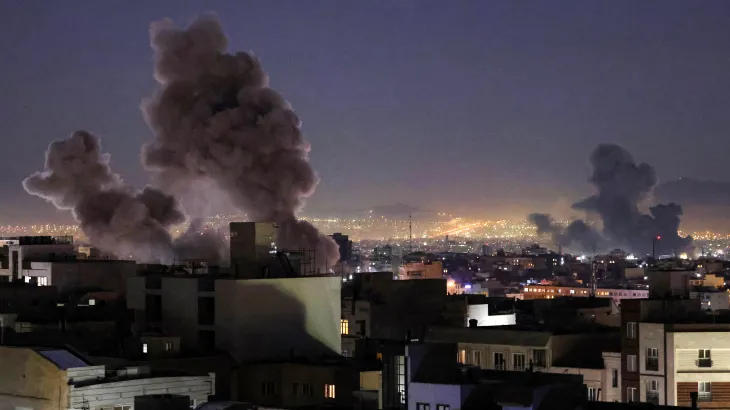
The United States’ military campaign against Iran is progressing faster than expected, the top U.S. commander in the Middle East said Tuesday, as American and Israeli forces continued to strike targets across the country while Iran launched retaliatory attacks around the Gulf.
The five-day conflict has shaken global markets and disrupted air travel across the region, with more than 20,000 flights cancelled as governments scramble to evacuate citizens stranded in the Middle East.
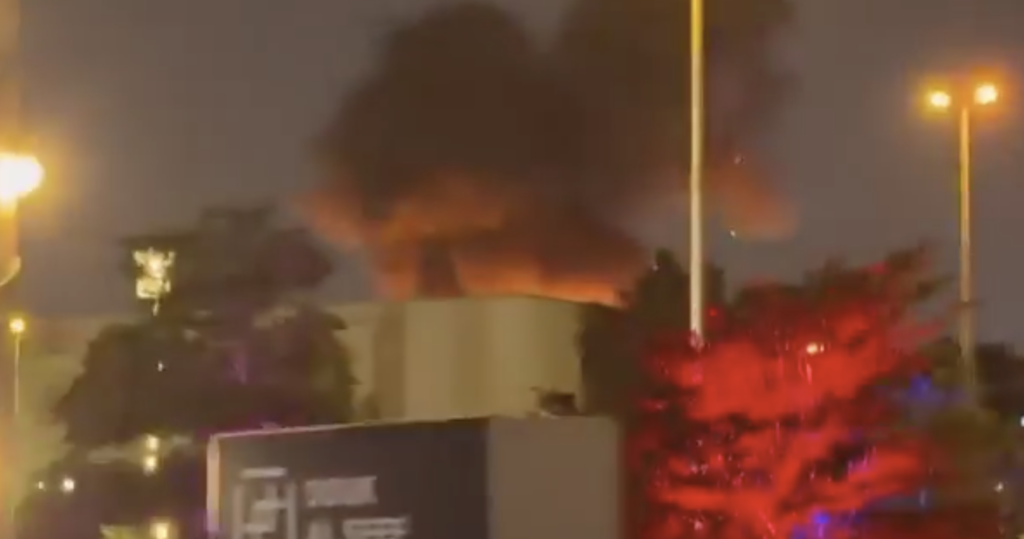
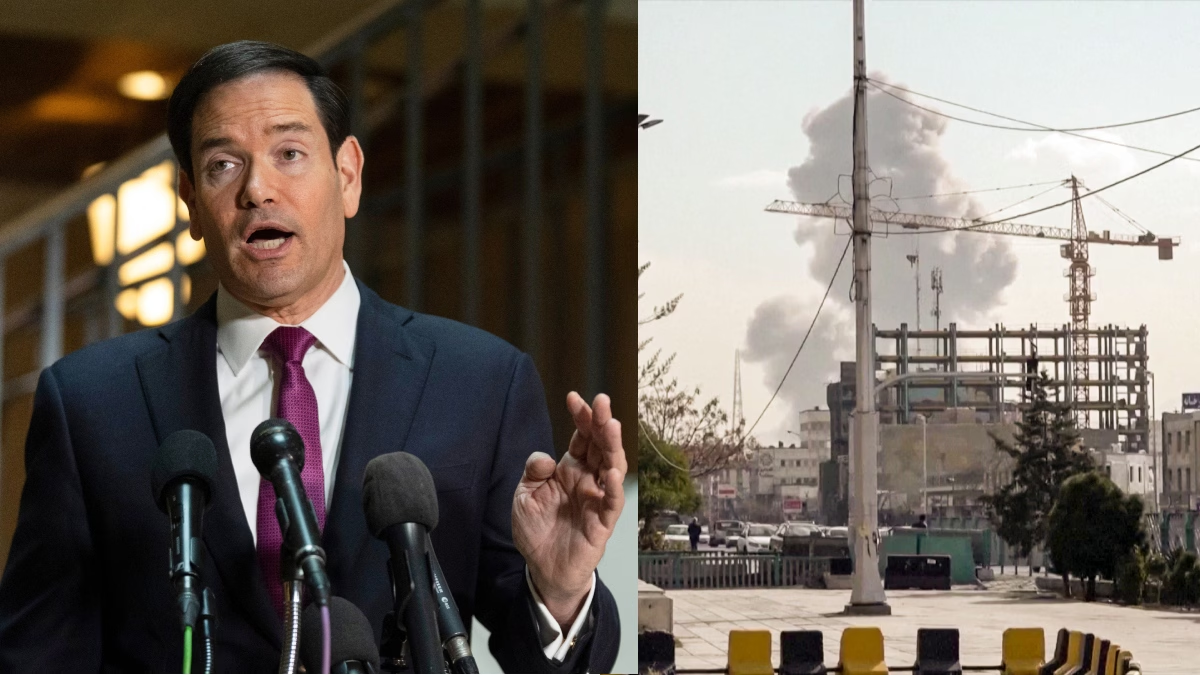
Israel’s military said early Wednesday it launched a new wave of strikes targeting Iranian missile launch sites, air defense systems and military infrastructure.
Air raid sirens sounded across Israel as Iranian missiles were launched toward the country, with witnesses reporting loud explosions as air defense systems intercepted incoming projectiles.
U.S. Admiral Brad Cooper, commander of U.S. Central Command, said the opening phase of the operation — dubbed “Operation Epic Fury” — had already exceeded expectations.
“The first 24 hours of this campaign were nearly double the scale of the initial bombardment during the ‘Shock and Awe’ operation that began the Iraq War in 2003,” Cooper said during a video briefing released Tuesday.
He said Iran’s military capabilities had been significantly weakened, with key air defenses destroyed and at least 17 naval vessels sunk, leaving Tehran without operational naval assets in critical waterways.
According to Cooper, more than 2,000 targets inside Iran have been struck so far, and around 50,000 U.S. troops are involved in the operation, with additional military assets expected to arrive in the region.
“My overall operational assessment is that we are ahead of our game plan,” Cooper said, adding that Iran’s ability to strike U.S. forces and regional partners was declining.
The U.S. military also confirmed the identities of four American soldiers killed in the conflict, as the Trump administration warned the number of casualties could rise if fighting intensifies. President Donald Trump has not ruled out the possibility of deploying ground forces.
A source familiar with Israel’s war planning told Reuters that the campaign was originally expected to last about two weeks but is progressing through its list of targets faster than anticipated.
Early strikes reportedly killed several senior Iranian leaders, including Supreme Leader Ali Khamenei, who had ruled the country for nearly four decades.
Trump said earlier this week that initial U.S. estimates suggested the operation could last between four and five weeks.
Meanwhile, Iran said the death toll from the ongoing bombardment had risen to 787 people as of Tuesday.
Officials said the casualties include 165 girls killed when their school was struck on the first day of the conflict, the deadliest reported civilian incident so far.
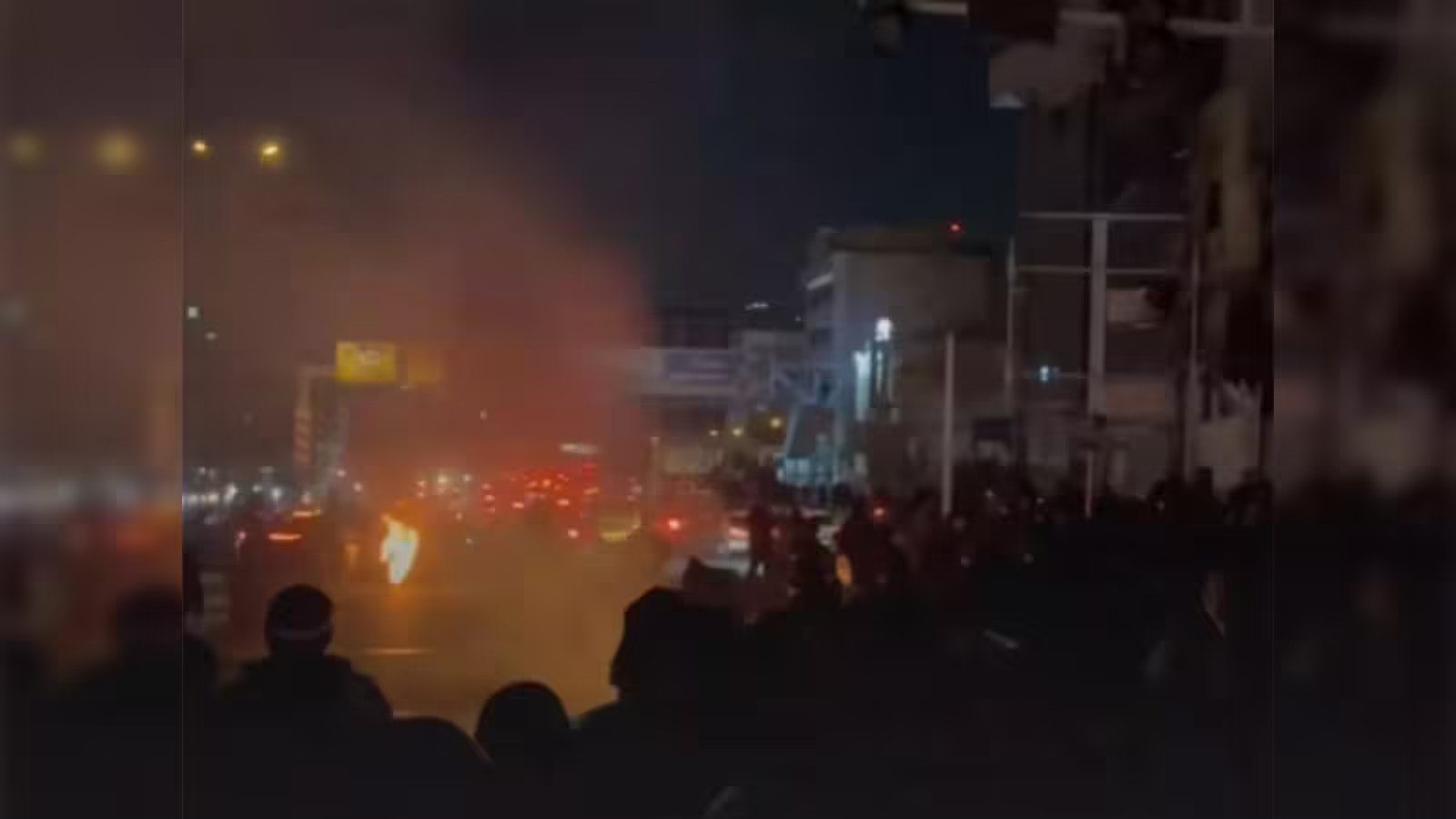
With continued airstrikes and missile exchanges, many residents have fled major cities, leaving parts of the Iranian capital Tehran largely deserted.
“How long will this continue? Where are the shelters? Where is the government?” a Tehran resident identified as Bijan, 32, told Reuters by telephone. “Every night my wife and I hide in the basement. The whole city is empty. There is smoke and blood everywhere.”
The conflict has also expanded beyond Iran’s borders.
Israel said it was continuing to strike Hezbollah targets in neighboring Lebanon after the Iran-backed group launched attacks in response to Khamenei’s death.
The Israeli military issued evacuation warnings to residents of 16 villages in southern Lebanon, saying anyone near Hezbollah fighters or weapons sites could be at risk.
Lebanon’s state news agency NNA reported that several people were killed in an Israeli airstrike on a residential building in the eastern city of Baalbek early Wednesday.
Washington says the assault on Iran was launched after diplomatic talks over Tehran’s nuclear program collapsed.
Trump has defended the operation, saying he ordered the strikes because he believed Iran was preparing to attack.
Iran, however, has condemned the campaign as an unprovoked act of aggression.
“We have told the enemy that if you try to harm our main centres, we will strike all economic centres in the region,” Revolutionary Guards adviser Ebrahim Jabari said in comments carried by Iranian media.
Iran has already launched missiles and drones toward Gulf states hosting U.S. military bases and disrupted shipping in the Strait of Hormuz — a critical waterway through which about one-fifth of the world’s oil and liquefied natural gas supplies pass.