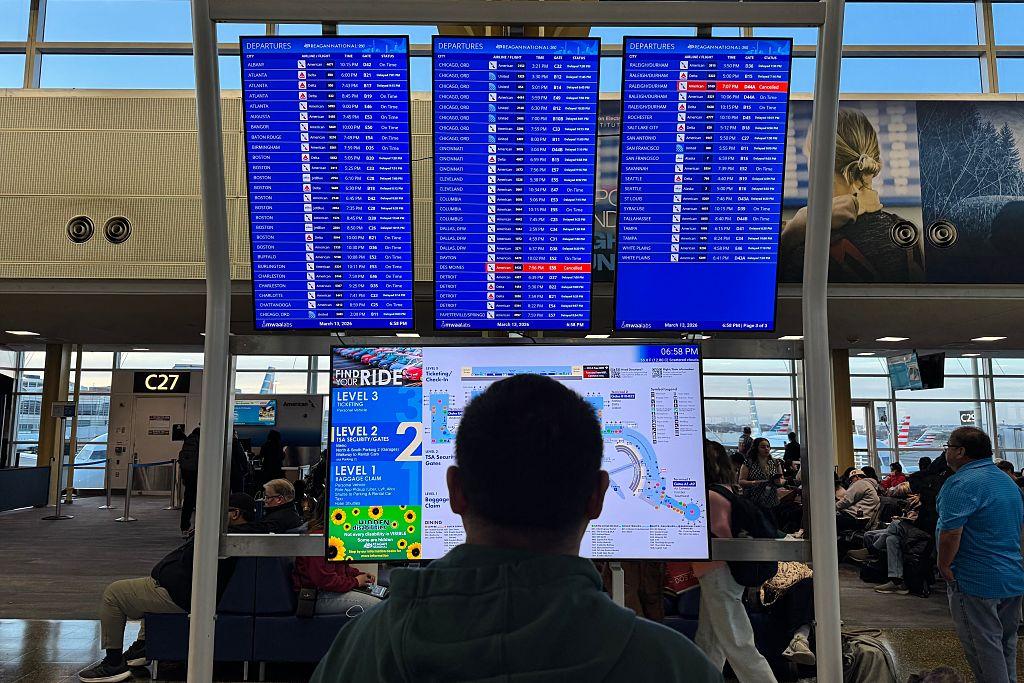
The United States ordered an unprecedented peacetime halt to departing flights across the country on Friday after a widespread communications failure disrupted air traffic control operations, leaving thousands of passengers stranded and triggering massive delays and cancellations.
The Federal Aviation Administration (FAA) issued the emergency order at 3:54 p.m. Eastern Time, citing extraordinary circumstances and urgent safety concerns as communications problems spread across the national air traffic control network.
The shutdown marked only the second nationwide ground stop since the September 11, 2001 attacks, underscoring the severity of the disruption to the world’s busiest aviation system.
More than 1,000 flights were cancelled and nearly 10,000 delayed, according to flight-tracking service FlightAware, with the disruption extending to international services operating from Canada and Europe.
Aircraft already airborne were permitted to continue towards their destinations and land, while departures were suspended nationwide. International flights were subject to special arrangements coordinated with aviation authorities.
At the time of the order, more than 4,000 aircraft were flying towards US airports, according to Flightradar24.
Communications failure hits national network
Transportation Secretary Sean Duffy said the failure affected all 22 regional air traffic control centres responsible for managing aircraft travelling between airports across the United States.
FAA technicians launched an urgent investigation as authorities worked to restore communications and determine the underlying cause.
The emergency followed earlier disruptions at Chicago’s O’Hare and Midway airports, where communications problems had already forced flight restrictions.
Airlines reported widespread operational difficulties, with aircraft remaining at departure gates, passengers returning to terminals and arriving planes facing congestion as airport facilities struggled to accommodate the disruption.
American Airlines warned of continued operational problems, while other carriers worked to adjust schedules and assist stranded travellers.
White House briefed as cyberattack concerns emerge
Homeland Security Secretary Markwayne Mullin said investigators had found no evidence that the outage resulted from a deliberate cyberattack or terrorist incident.
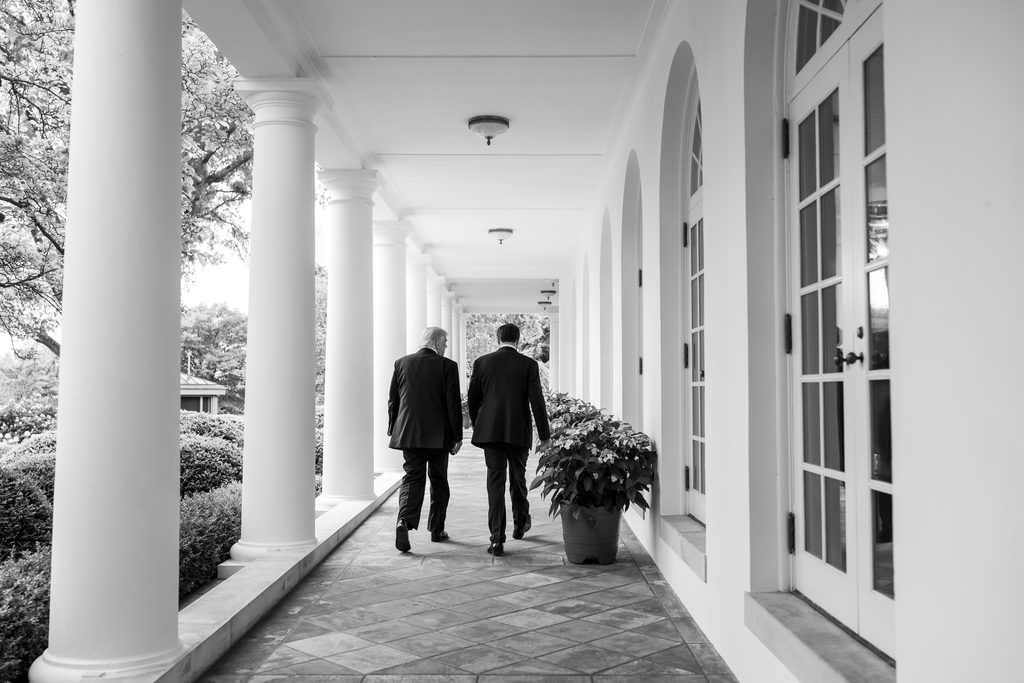
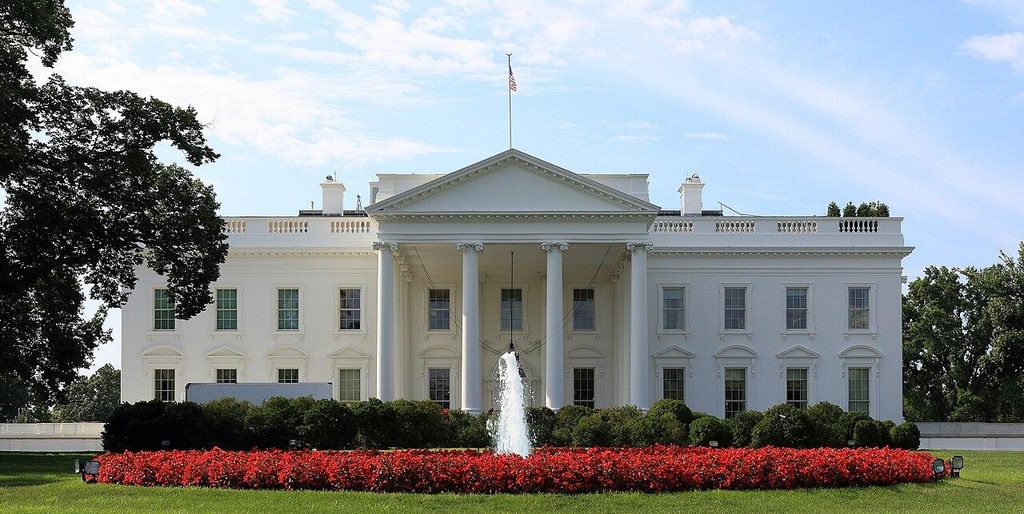
President Donald Trump was briefed on the situation as federal agencies coordinated their response.
Mullin said officials were investigating the telecommunications failure and examining possible causes, while emphasising that aircraft already in the air had been accounted for.
Questions also emerged about the FAA’s recently introduced artificial intelligence-supported traffic management technology. However, no connection between the new system and the communications failure had been established, and the technology provider denied responsibility.
A separate nationwide communications and internet disruption reported by the National Weather Service raised additional questions, although authorities had not established any connection between the incidents.
Only second nationwide shutdown since 9/11
The last comparable nationwide departure halt occurred on January 11, 2023, when a malfunction involving the FAA’s Notice to Air Missions system forced domestic flights to remain grounded for less than two hours.
Before that incident, the most significant nationwide suspension followed the September 11, 2001 attacks, when American airspace was shut down following the hijacking of four passenger aircraft.
Friday’s emergency has renewed concerns over the reliability of the country’s ageing aviation infrastructure, which has suffered repeated technological failures and operational disruptions.
Earlier this year, the federal government intensified efforts to modernise air traffic control systems after years of warnings about outdated communications equipment and ageing technology.
The White House and Transportation Department urged Congress on Friday to approve an additional $30.1 billion for airport and air traffic control upgrades.
The disruption also comes less than two years after a midair collision near Ronald Reagan Washington National Airport killed 67 people in January 2025.
Aviation analyst Robert Mann warned that prolonged restrictions could leave airlines struggling to restore normal schedules throughout the weekend.
With the cause of the communications breakdown still unknown, the emergency has raised pressing questions about the resilience of the infrastructure responsible for safely managing thousands of aircraft over the United States every day.