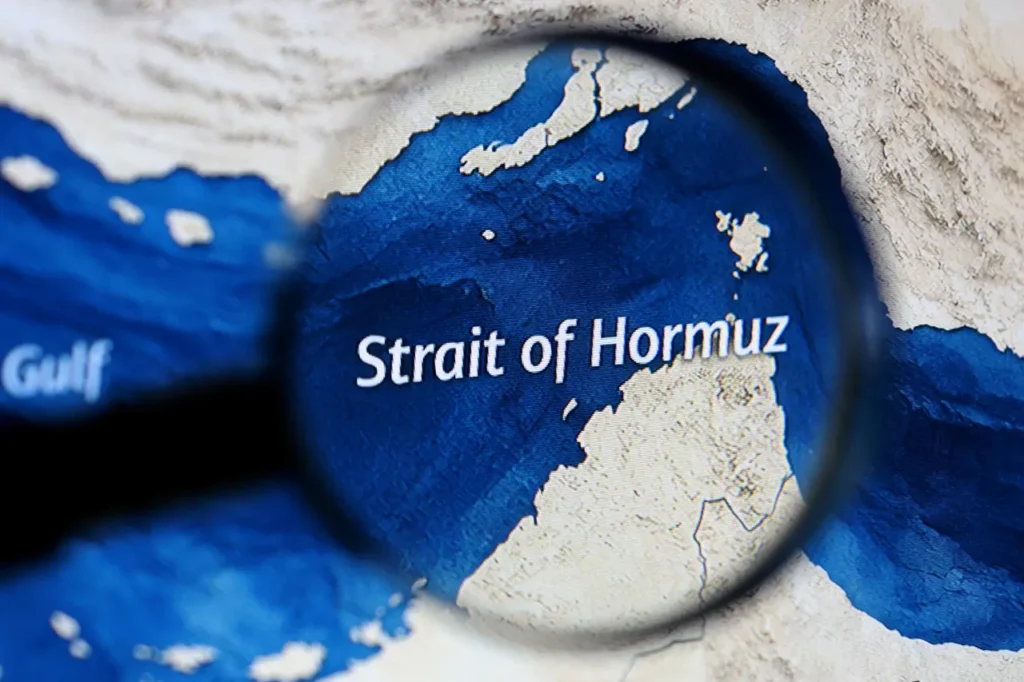
U.S. intelligence reports indicate Iran is unlikely to reopen the Strait of Hormuz, maintaining control over a critical global oil artery.
Experts warn that any military operation to force passage through the strait would carry high risks, potentially sparking a prolonged and costly conflict.
The narrow waterway, just two miles wide for shipping lanes, allows Iran to disrupt global energy markets with drones, missiles, and other tactics.
Since the February 28 U.S.-Israel offensive, Iran’s Islamic Revolutionary Guard Corps has attacked vessels, laid mines, and demanded passage fees to block commercial traffic.
World oil prices have surged to multi-year highs, fueling inflation and energy shortages that threaten U.S. economic stability and President Trump’s political standing.
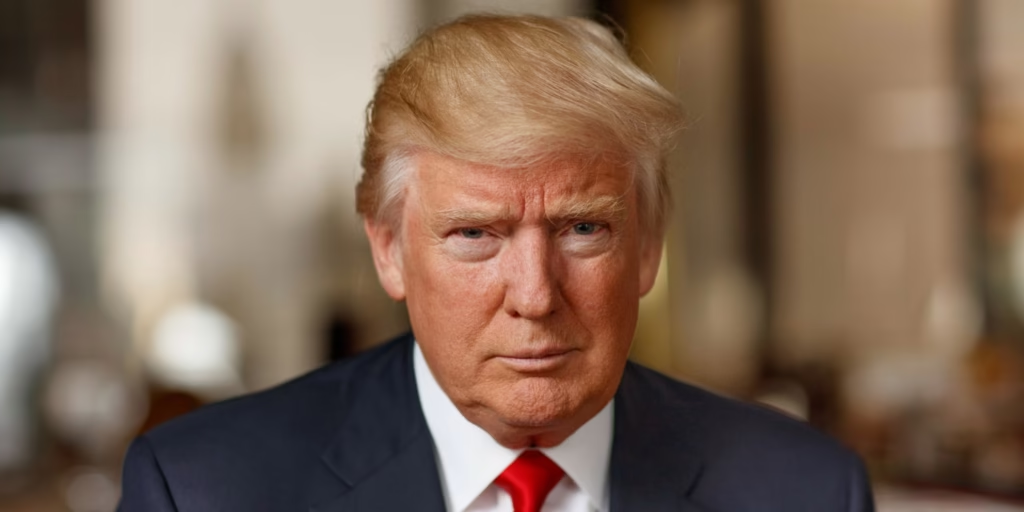
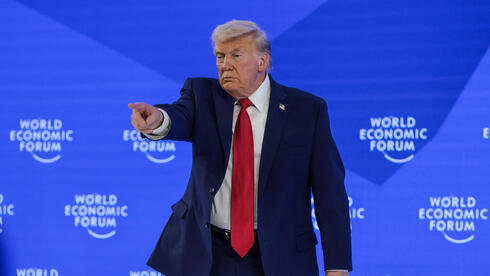
Trump has publicly suggested U.S. forces could reopen the strait quickly, though he also called on Gulf nations and NATO allies to lead the effort.
Analysts caution that even with a military victory, Iran could continue controlling the strait using asymmetric methods, maintaining leverage over global shipping and regional politics.
Former CIA Director Bill Burns said Tehran may exploit its control to secure long-term deterrence, reconstruction funds, and economic advantages from commercial passage fees.
Ali Vaez of the International Crisis Group noted Iran views its ability to choke the waterway as more potent than a nuclear deterrent against U.S. influence.
Intelligence sources told Reuters that Iran’s newfound leverage makes it highly unlikely to surrender control soon, suggesting a prolonged standoff could reshape regional power dynamics.
Experts describe the strait as a strategic chokepoint where even minor disruption could halt shipping, destabilize energy markets, and compel complex international negotiations.
The White House maintains confidence the strait will reopen, yet acknowledges that other nations with deeper reliance on Gulf oil may bear the greatest costs of conflict.
Iran’s ability to regulate waterway traffic positions it to gain economic, political, and strategic benefits long after the current hostilities subside.
The combination of military risk, geographic vulnerability, and Tehran’s leverage underscores the difficulty of resolving the standoff through force alone.