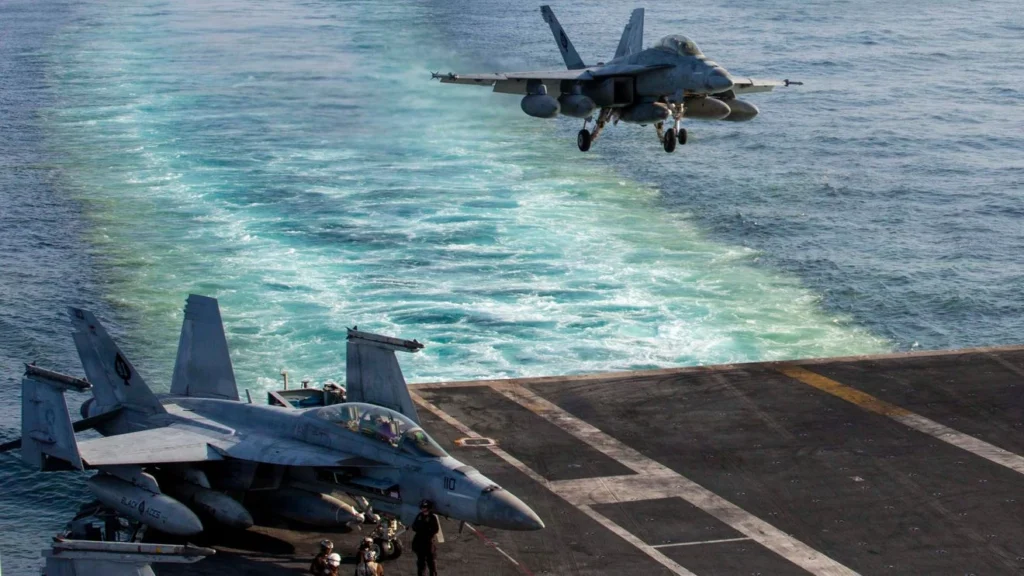
The deadline for a U.S. military blockade targeting ships linked to Iran passed on Monday, triggering fresh tensions as Tehran warned it could retaliate against ports across the Gulf following failed talks to end the war.
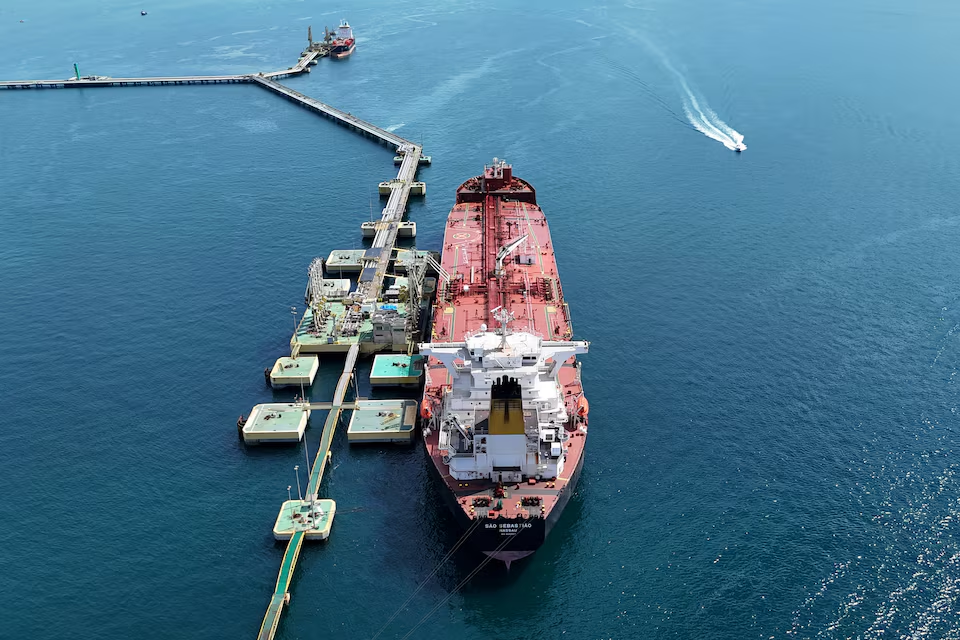
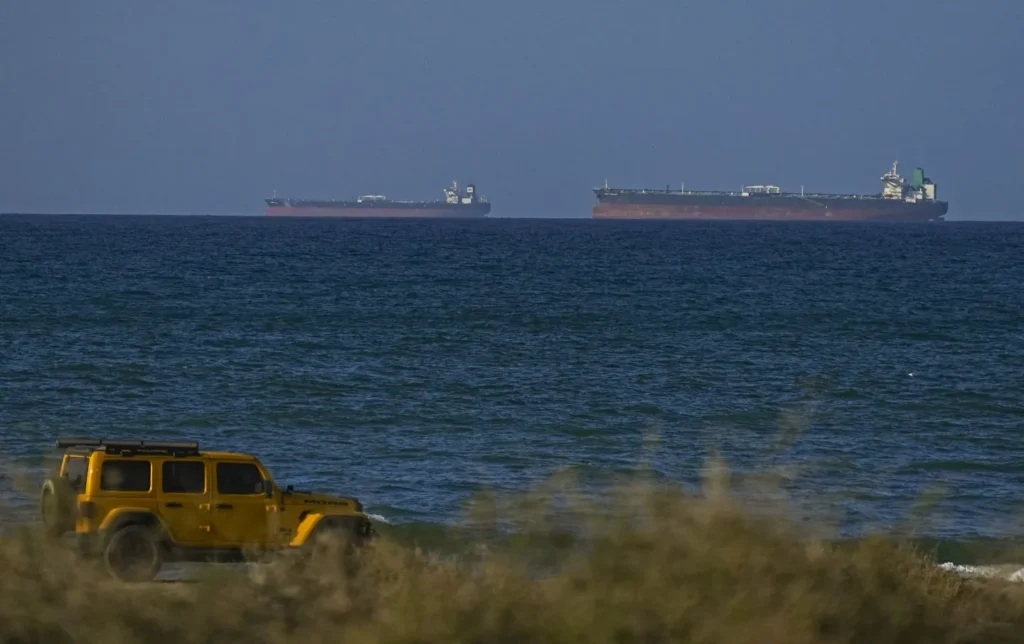
The United States said the blockade—announced by Donald Trump—would target Iranian vessels and any ships paying fees imposed by Tehran for passage through the Strait of Hormuz, a critical chokepoint.
Iran has effectively restricted access to the strait since the war began on February 28, allowing passage only under its control and subject to charges. In response, Washington moved to enforce a naval blockade, with US Central Command confirming the measure came into effect on Monday.
The command said enforcement would apply to vessels entering or leaving Iranian ports in the Gulf and Gulf of Oman, while allowing neutral transit through the strait to non-Iranian destinations.
Tehran condemned the move as “piracy,” warning that if its ports were threatened, no port in the Gulf region would remain safe. Iran’s Islamic Revolutionary Guard Corps added that any foreign military presence near the strait would violate the fragile ceasefire.
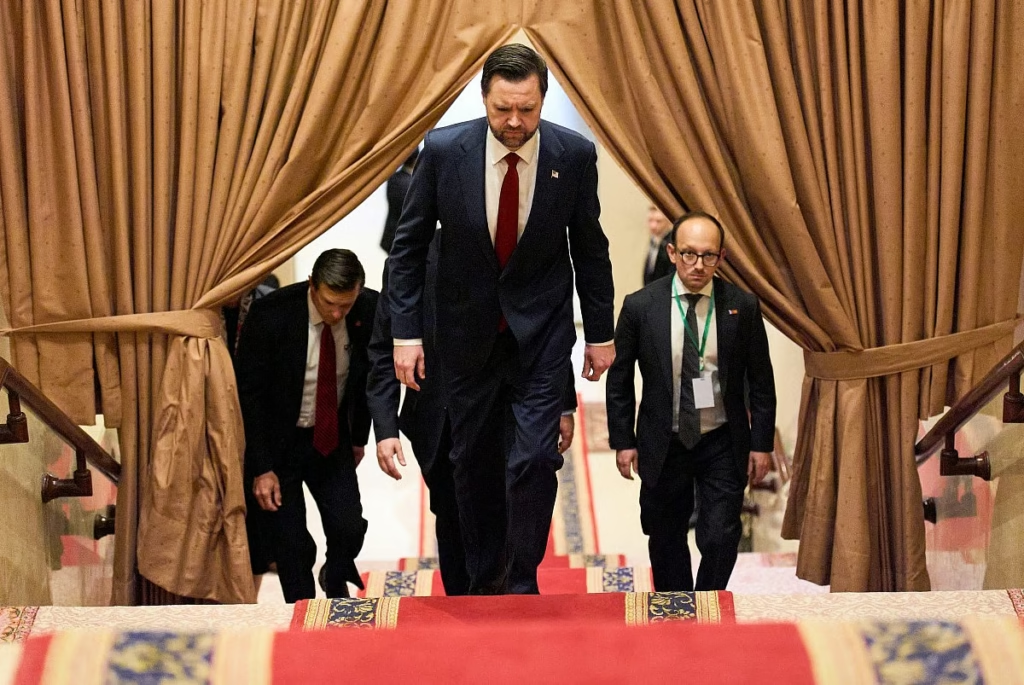
The escalation follows the collapse of weekend negotiations in Islamabad, the highest-level talks between Washington and Tehran since the 1979 revolution. Iranian officials accused the U.S. of shifting demands, while insisting any deal must include sanctions relief, recognition of Iran’s authority over the waterway and a reduction of U.S. military presence in the region.
Meanwhile, key NATO allies including Britain and France declined to participate in the blockade, instead calling for the reopening of the strait, through which roughly a fifth of global oil supply normally flows.
Energy markets reacted sharply, with oil prices jumping back above $100 per barrel amid fears of prolonged disruption. Analysts say benchmark prices may still underestimate the scale of the crisis, given the unprecedented ограничения on maritime traffic.
Despite a temporary pause in U.S.-Israeli strikes, the ceasefire remains under strain, with just days remaining and continued military activity involving Iran-backed groups in the region.
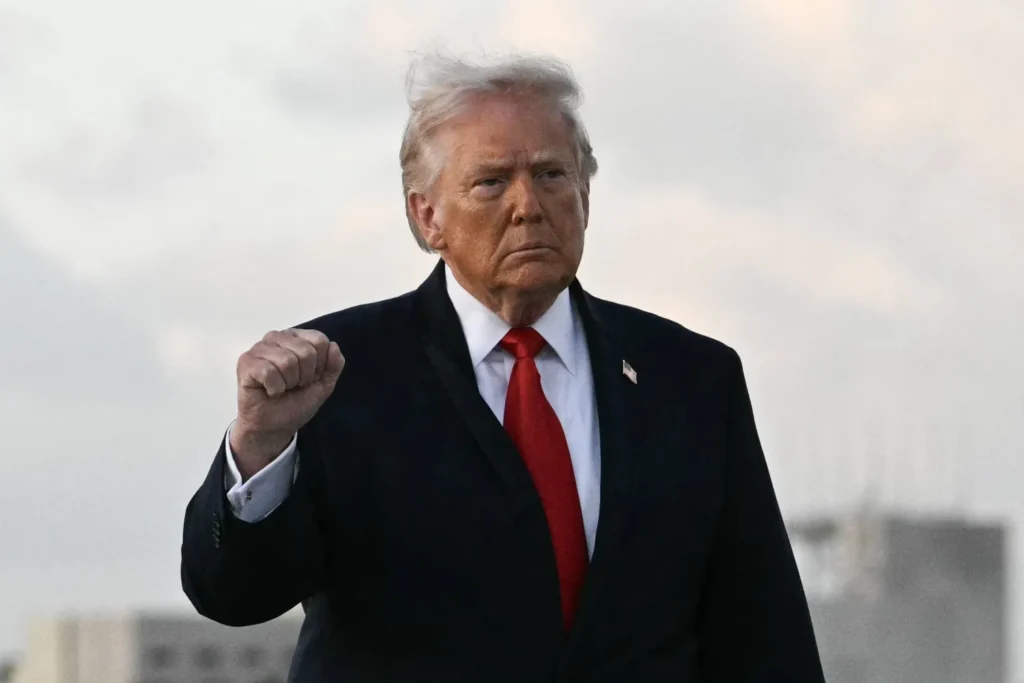
Trump has maintained a hardline stance, warning that any Iranian forces threatening U.S. or commercial vessels would face overwhelming force, while also acknowledging that higher fuel prices could persist for months.
Iranian officials, however, signalled defiance, saying they would only engage in further talks if Washington makes concessions, accusing the U.S. of pursuing a strategy of “maximalism” and economic pressure.
The standoff leaves one of the world’s most vital energy corridors at risk, with global markets and regional security hanging in the balance.