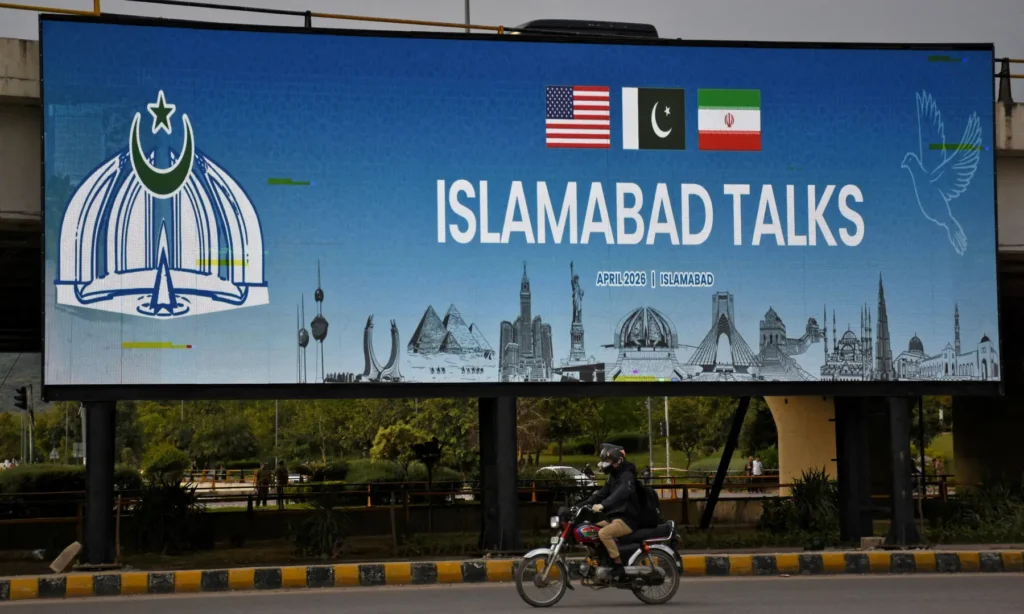
The United States and Iran failed to reach an agreement to end their war after marathon negotiations in Pakistan’s capital, with both sides blaming each other for the collapse of talks that had raised hopes of stabilising a fragile ceasefire.
The 21-hour negotiations, the first direct high-level engagement between the two countries in more than a decade, ended without a breakthrough on Sunday as delegations departed Islamabad.
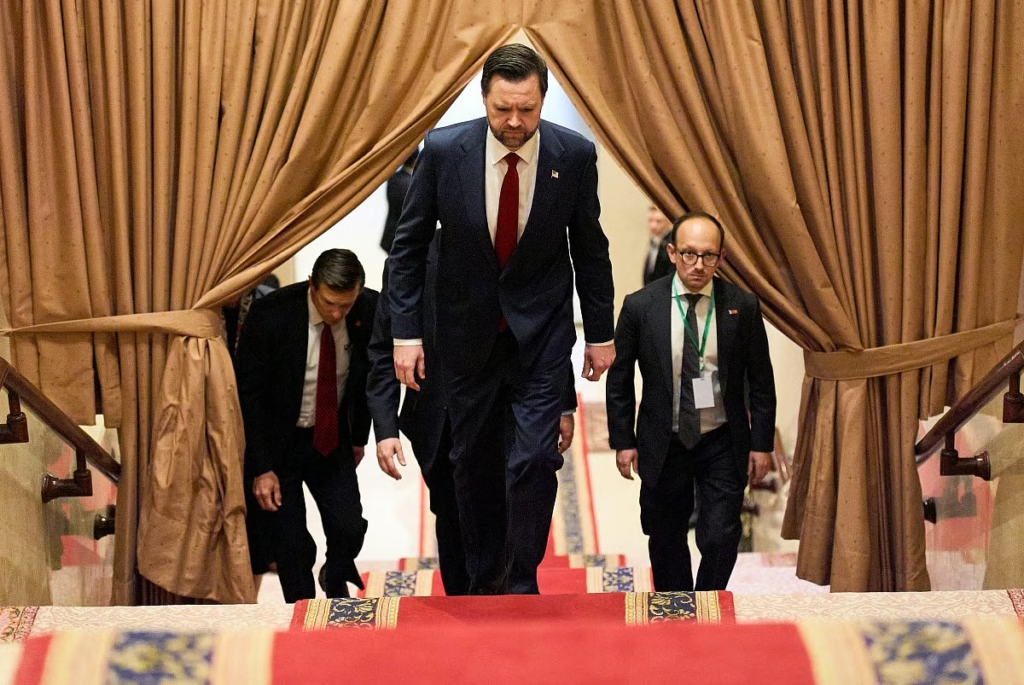
US Vice President JD Vance, who led the American delegation, said Washington had made its “red lines” clear and accused Tehran of refusing to accept key conditions.
“The bad news is that we have not reached an agreement,” Vance said, adding that the United States still requires a firm Iranian commitment not to pursue nuclear weapons or the capabilities to rapidly develop them.
Iranian officials rejected that characterisation, accusing Washington of failing to build trust during the negotiations.
Parliamentary Speaker Mohammad Baqer Qalibaf, who led Iran’s delegation alongside Foreign Minister Abbas Araqchi, said Tehran had offered “forward-looking initiatives” but that the United States had not responded in a way that could restore confidence.
“The U.S. has understood Iran’s logic and principles and it is now up to them to decide whether they can earn our trust,” Qalibaf said.
The talks followed a two-week ceasefire agreed earlier this week, but the failure to secure a broader deal threatens to undermine efforts to de-escalate a conflict that has killed thousands and disrupted global energy markets since late February.
Key sticking points included Iran’s nuclear programme and the future of the Strait of Hormuz, a critical maritime chokepoint through which around one-fifth of global oil supplies pass.
Tehran has demanded control over the strait, the right to impose transit fees, the release of frozen assets, and broader regional ceasefires, including in Lebanon. US officials, meanwhile, have prioritised ensuring free navigation and curbing Iran’s nuclear enrichment capabilities.
Iranian media described US demands as “excessive,” while suggesting partial agreement had been reached on other issues.
Pakistan’s Foreign Minister Ishaq Dar warned that maintaining the ceasefire was “imperative” despite the breakdown in talks, as hundreds of oil tankers remain stranded in the Gulf awaiting safe passage.
The negotiations unfolded against a backdrop of continued regional tensions. Israel, a US ally, continued strikes against Hezbollah positions in Lebanon, which Iran insists must be included in any comprehensive ceasefire.
Israeli cabinet minister Zeev Elkin said further talks were possible but warned that “the Iranians are playing with fire.”
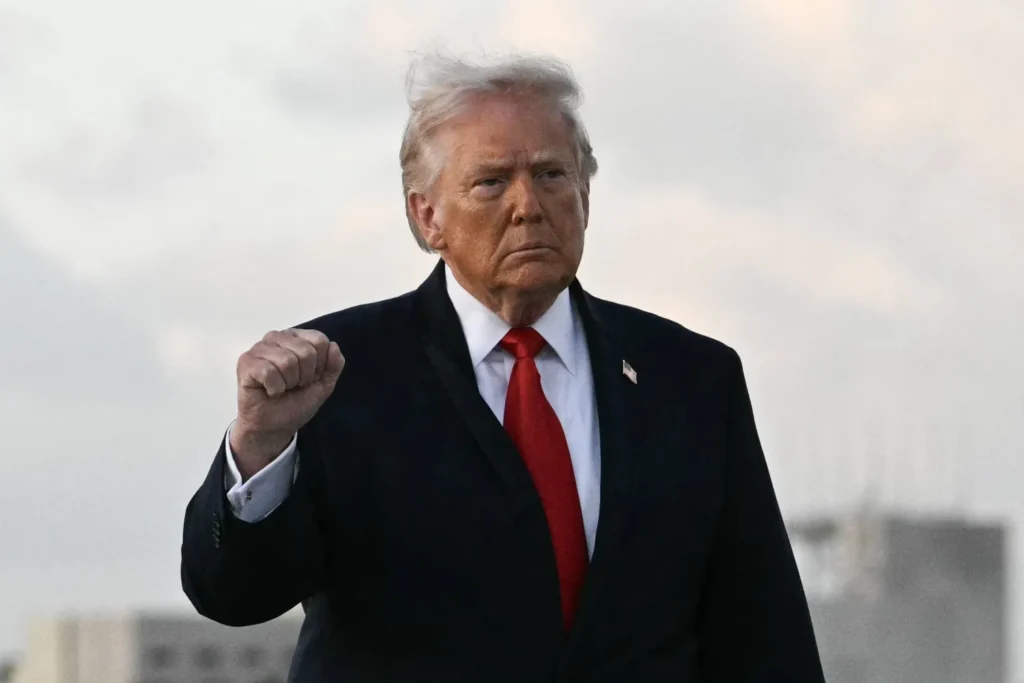
US President Donald Trump struck a more ambiguous tone, saying a deal was not essential given what he described as US gains during the conflict.
“We’re negotiating. Whether we make a deal or not makes no difference to me, because we’ve won,” Trump told reporters.
Despite the diplomatic impasse, limited movement resumed in the Strait of Hormuz over the weekend, with a small number of oil tankers exiting the Gulf for the first time since the ceasefire began. However, the majority of vessels remain stalled, underscoring the ongoing uncertainty.
The collapse of the Islamabad talks leaves the region on edge, with no clear pathway to a durable settlement and the risk that hostilities could resume once the ceasefire expires.