The United States completed an eighth consecutive night of airstrikes against Iran on Sunday after an Iranian attack in Jordan killed two American military personnel and left another missing, as Tehran launched fresh missile and drone attacks across the Gulf.
The renewed fighting has further unravelled an interim ceasefire agreement reached a month ago and intensified the struggle over the Strait of Hormuz, raising fears that the conflict could again expand into full-scale regional warfare.
US Central Command said the latest operation began at 6 p.m. Eastern Time on Saturday and was intended to weaken Iran’s ability to threaten commercial shipping through the strategic waterway.
The strikes also sought to punish Islamic Revolutionary Guard Corps forces accused by Washington of carrying out the attack on American personnel in Jordan.
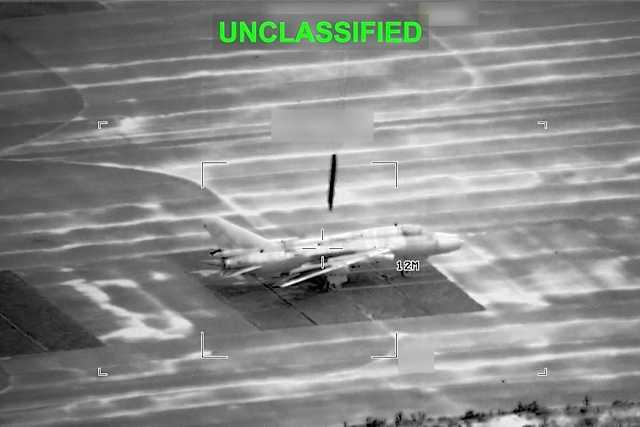
CENTCOM later said the operation had been completed after US forces struck Iranian coastal surveillance systems, air-defence installations and other military facilities.
The latest deaths brought the number of US service members killed since the war began on February 28 to 16, while more than 420 others have been wounded.
Four additional American personnel were taken to hospitals in Jordan following Friday’s attack but were later discharged, according to CENTCOM. The identities of those killed were being withheld pending notification of their families.
US Defense Secretary Pete Hegseth said the deaths would strengthen Washington’s resolve to continue its military campaign.
Israel, meanwhile, was reportedly preparing to receive additional US aerial-refuelling aircraft as Washington considered a possible expansion of its operations against Iran.
Attack reported near unfinished nuclear plant
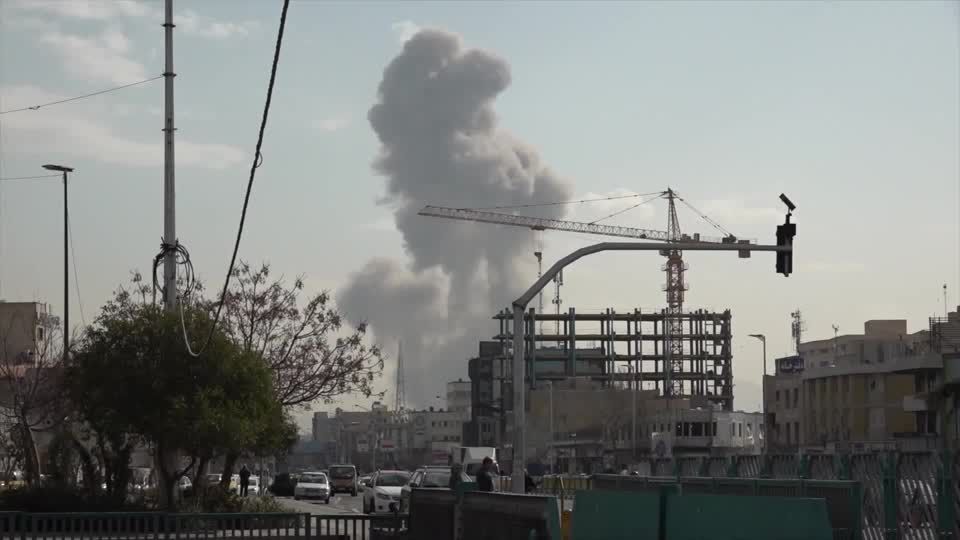
Iranian media reported US strikes near Sirik in southern Iran and Shadegan, close to the Iraqi border.
Iran’s Atomic Energy Organization also accused the United States of attacking the site of the unfinished Darkhovin nuclear power plant in southwestern Iran.
The International Atomic Energy Agency said it was examining the reports. The UN nuclear watchdog said the plant remained in the early stages of construction and that no nuclear material was present at the site, meaning there was no reported radiological danger.
Iran’s Health Ministry said at least 50 people had been killed and more than 500 wounded in US strikes over the previous three weeks.
Thousands of people have been killed and millions displaced since the wider conflict began, mainly in Iran and Lebanon, where fighting between Israel and Iran-backed Hezbollah has resumed.
Iran attacks US facilities and Gulf states
Iran responded to the latest US raids by announcing drone attacks against American military assets at Kuwait’s Al-Adiri camp and Ali Al Salem Air Base.
Kuwait said its forces intercepted additional Iranian missiles on Sunday after a sustained barrage the previous day.
The country’s Electricity Ministry said a desalination facility had been attacked for a second consecutive day, causing a fire and increasing concerns over the targeting of essential water and electricity infrastructure.
Bahrain also said its air defences intercepted an Iranian attack.
Air-raid sirens sounded in Jordan, where the military said it had shot down three Iranian missiles. Israel’s military said it detected missiles launched from Iran toward the Jordanian port city of Aqaba, close to the Israeli border.
Qatar also reported intercepting an Iranian missile attack on Sunday. A child was injured by falling shrapnel, according to the Qatari Defence Ministry.
The attacks have placed Gulf states hosting US military facilities under growing pressure as Iran seeks to raise the cost of Washington’s campaign.
Hormuz confrontation deepens
The Strait of Hormuz has become one of the main fronts in the conflict, with both Washington and Tehran targeting or restricting commercial shipping.
The United States says it is enforcing a naval blockade against Iran, while Tehran says it is acting against vessels that ignore Iranian navigation rules in the strait.
The waterway normally carries about one-fifth of the world’s oil supplies, making any prolonged disruption a major threat to global energy markets and inflation.
Iran’s Revolutionary Guards said four ships attempted to cross the strait on Sunday using what it described as an unsafe route backed by the United States.
According to the IRGC, two ships abandoned the attempt after Iranian warnings, while two others were involved in an unspecified “accident.” It provided no further details.
The intensifying hostilities pushed Gulf stock markets lower and contributed to further pressure on oil prices. Saudi Arabia has increasingly redirected exports through its Red Sea port of Yanbu to reduce dependence on the Strait of Hormuz.
Iranian leader threatens heavier costs
Iranian Supreme Leader Ayatollah Mojtaba Khamenei accused US President Donald Trump of repeatedly violating agreements with Tehran and said the American president’s signature had no credibility.
In a statement carried by Iranian state media, Khamenei warned that the United States would face “heavier costs” if the strikes continued.
The White House did not immediately respond.
Khamenei has not appeared publicly since his father and predecessor, Ali Khamenei, was killed during the opening US-Israeli attacks on Iran on February 28.
The conflict began when the United States and Israel launched strikes intended to damage Iran’s nuclear and missile programmes and weaken Tehran’s regional allies.
The collapse of the latest ceasefire and the widening attacks on military bases, shipping routes and civilian infrastructure have renewed fears of a prolonged war that could engulf more countries across the Middle East.