Reports from U.S. and regional sources indicate that American military forces are ready to launch strikes on Iran as early as this weekend, though President Donald Trump has not yet signed off on an attack order, according to senior U.S. officials and multinational media outlets.
Top U.S. national security advisers have informed the White House that the military is prepared for operations targeting Iranian assets by Saturday, reflecting months of escalating tensions over Iran’s nuclear programme and regional posture. The Pentagon has been steadily reinforcing forces across the Middle East, positioning carrier strike groups and advanced aircraft, though Trump’s decision remains fluid and unresolved.
According to regional security sources and open-source naval tracking, the USS George H.W. Bush aircraft carrier is moving at high speed toward the Eastern Mediterranean and has passed through the Strait of Gibraltar in the early hours of early Thursday, positioning it in the eastern Mediterranean by Friday. The deployment forms part of a wider U.S. naval surge, with estimates indicating that nearly 30 percent of all U.S. naval forces are currently committed to preparations linked to a potential strike on Iran, underscoring the scale and seriousness of Washington’s military posture.
Even as military readiness peaks, diplomacy and risks persist
- The White House continues to publicly describe diplomacy as the first option, even as internal discussions weigh military planning against concerns about escalation. Press spokespeople emphasise that there are “many arguments” for and against a strike, but no final order has yet been issued.
- Indirect talks between U.S. and Iranian negotiators in Geneva yielded some progress on principles, yet major gaps remain, particularly over Tehran’s nuclear enrichment and missile programmes.
Rapid military buildup and regional reactions
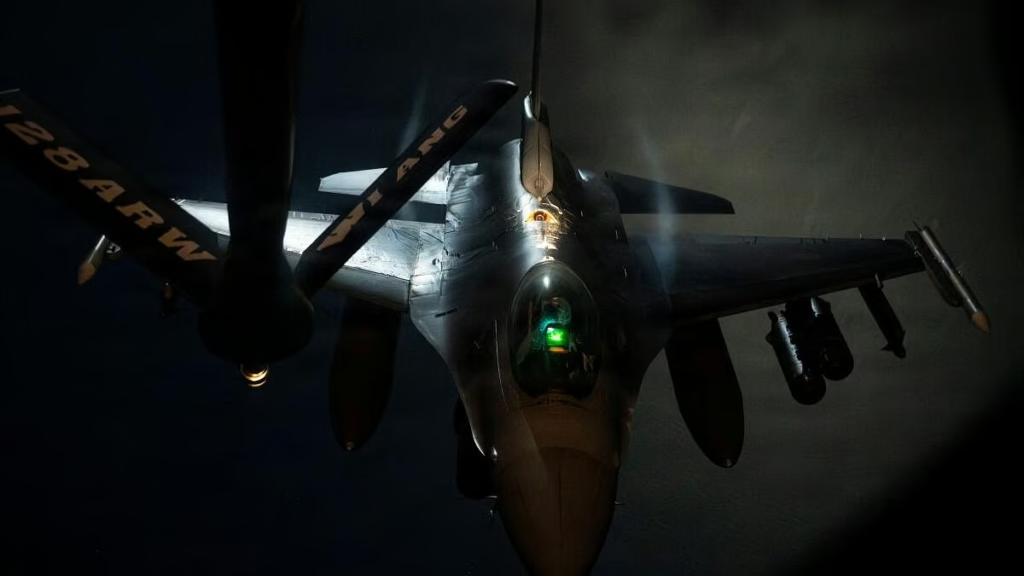
- The United States has deployed multiple aircraft carriers, warships, fighter jets and naval escorts into the region — described as one of the largest build-ups since the early 2000s — increasing military pressure on Tehran.
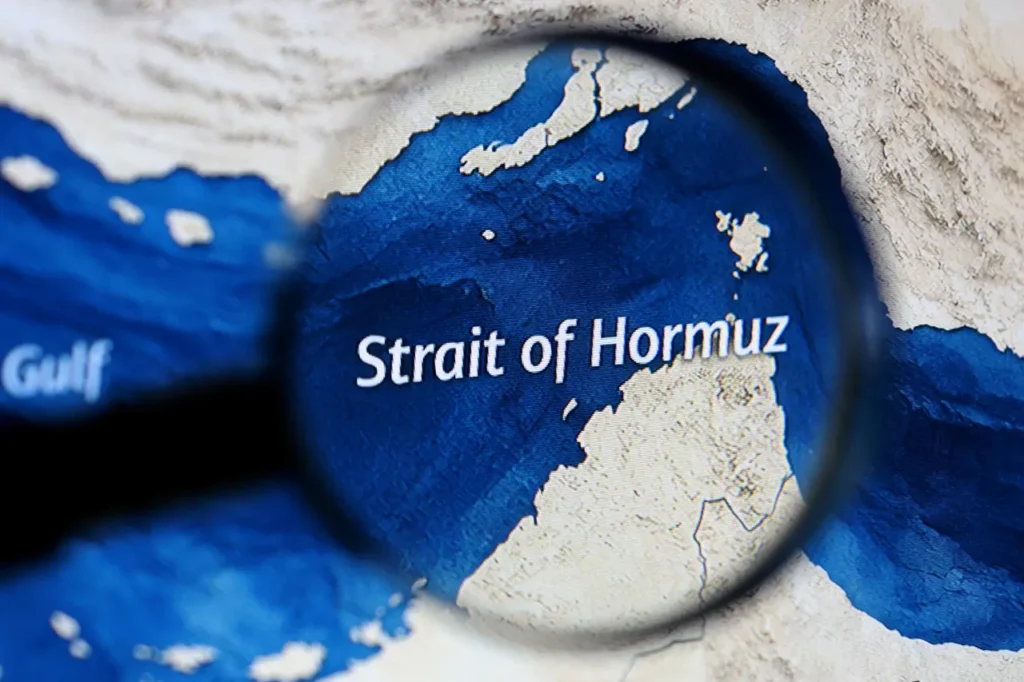
- Iran has responded with joint naval drills alongside Russia in the Sea of Oman, and its Revolutionary Guard has conducted exercises near the vital Strait of Hormuz.
- Western sources and analysts warn that a confrontation could erupt within days or weeks, potentially evolving into a broader U.S.–Iran conflict rather than a single, quick strike.
High alert in Tel Aviv and regional capitals
Israeli security assessments show heightened alert levels as the possibility of a coordinated U.S.–Israeli strike grows, with Jerusalem reportedly preparing for potential action against Iranian ballistic missile infrastructure should Washington give its approval.
Officials caution that even with forces ready and timelines circulating in media reports, an attack this weekend is not confirmed and could still be averted. Trump’s final judgment is expected to hinge on assessment of diplomatic progress, internal counsel, and risk calculations concerning retaliation from Tehran or instability across the wider Middle East.