The United States is preparing for a prolonged confrontation with Iran that could stretch into 2027, Erem News reported on Sunday, citing an unnamed US military source familiar with deployment planning in the Middle East.
The source said plans to retain tens of thousands of troops, warships, fighter squadrons and air defence systems in the region reflected Washington’s assessment that the conflict would require sustained military pressure rather than a single round of decisive strikes.
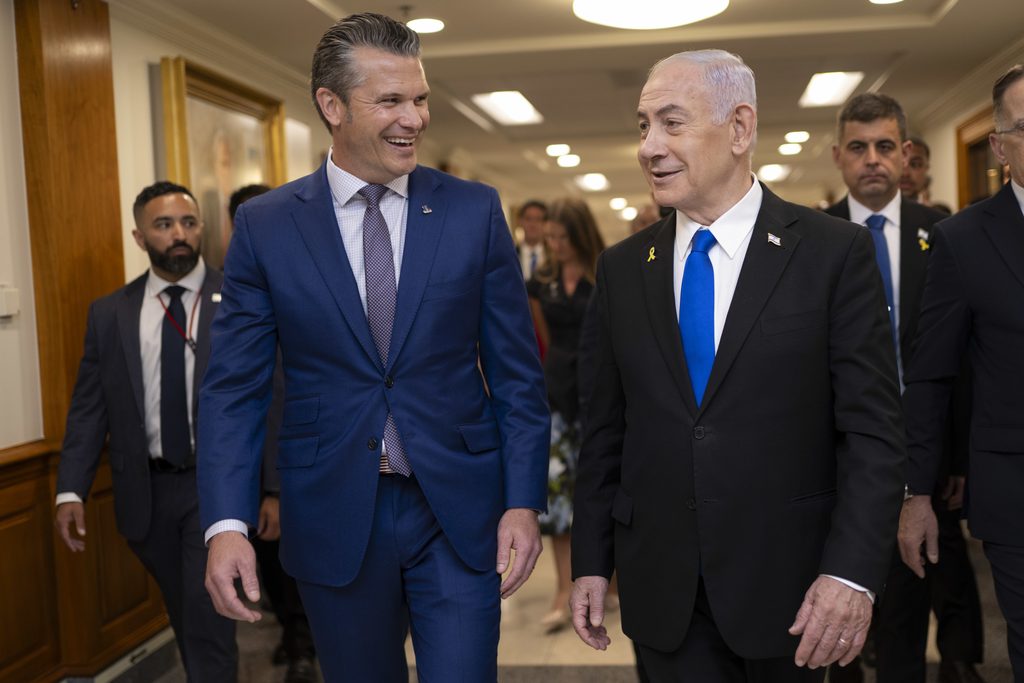
According to the report, US Defense Secretary Pete Hegseth has extended the deployment of around 50,000 troops and 19 warships, alongside combat aircraft and air defence units, through 2027.
The source said the plans did not necessarily mean the same formations would remain in place throughout that period. Instead, the Pentagon would extend some deployments and redistribute forces as conditions changed, while maintaining sufficient capacity to respond to sudden Iranian escalation.
The next phase would focus on protecting US bases and personnel, securing shipping in the Gulf and Strait of Hormuz, and preserving the ability to conduct precision strikes if Tehran widened the confrontation, the source said.
Washington would also increase its reliance on layered air defences, drones and aerial and maritime surveillance to ease pressure on fighter aircraft, warships and interception systems heavily used in recent months.
The report described the emerging approach as a combination of sustained military and economic pressure and maritime deterrence. US planners would assess Iran’s ability to continue threatening American forces and shipping against the cost of maintaining a large regional presence.
That commitment could place growing strain on US military priorities elsewhere.
Erem News reported that deployments for air defence units, including Patriot and THAAD batteries, were being extended from around nine months to 12 months. Some assets originally allocated to Europe and the Pacific were also being redirected to the area covered by US Central Command.
Longer tours would increase demands on maintenance, training and personnel rotation, while repeated missile and drone interceptions would add pressure on interceptor stockpiles.
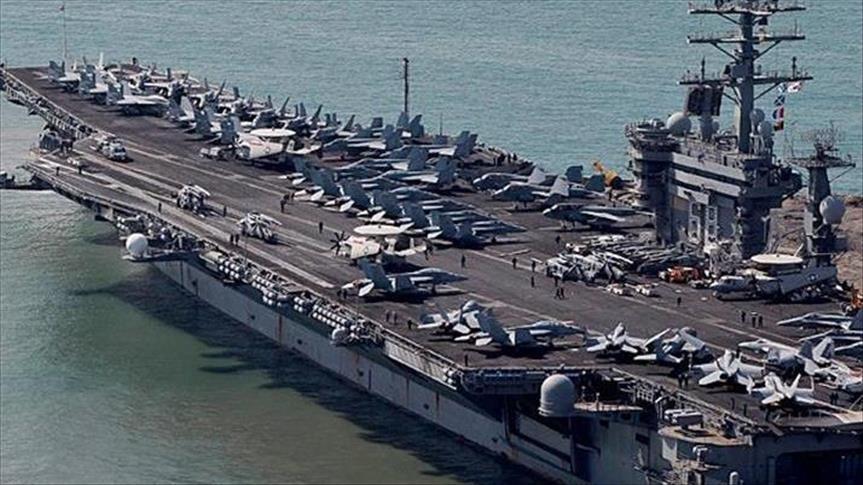
The report said the naval presence included carrier strike groups centred on the USS Theodore Roosevelt and USS Gerald R. Ford, supported by guided-missile destroyers. Some naval deployments had stretched to between 11 and 14 months, compared with a customary six to nine months, it added.
Tom Karako, an expert at the Center for Strategic and International Studies, told Erem News that sustained demand for US air defence systems and destroyers in the Middle East diverted assets from missions intended to deter China around Taiwan and in the South China Sea.
Redirecting fighter squadrons and air defence units intended for Europe would also increase pressure on European allies facing security threats from Russia, he said.
Karako warned that extended periods at sea, combined with heavy interceptor use, could delay maintenance and overhaul schedules, affecting fleet readiness for years if the deployment pattern continued.
Military analyst Brian Adams told the outlet that Iran had pushed the confrontation towards a prolonged war of attrition, forcing Washington to devote resources to the Middle East at the expense of some priorities involving China and Russia.
Washington was betting that military pressure and economic restrictions would eventually force Tehran to retreat, Adams said, while Iran was relying on its ability to endure and keep the cost of US deployments high.