US special operations forces have rescued the second crew member of a downed F-15 fighter jet inside Iran, capping a high-risk, multi-phase operation that unfolded under direct pressure from Iranian forces and exposed the growing risk of open confrontation between Washington and Tehran.
The mission, which lasted roughly 36 hours, began after the aircraft was shot down over southwest Iran, forcing both the pilot and weapons systems officer to eject into hostile territory.
The pilot was located and recovered within hours. The second airman, however, remained stranded in rugged terrain, triggering an urgent search-and-rescue operation as Iranian forces mobilised to reach him first.
Race against Iranian forces
US officials said the operation quickly evolved into a race against Iran’s Islamic Revolutionary Guard Corps (IRGC), which deployed units toward the crash area and reportedly activated local networks to track the downed airman.
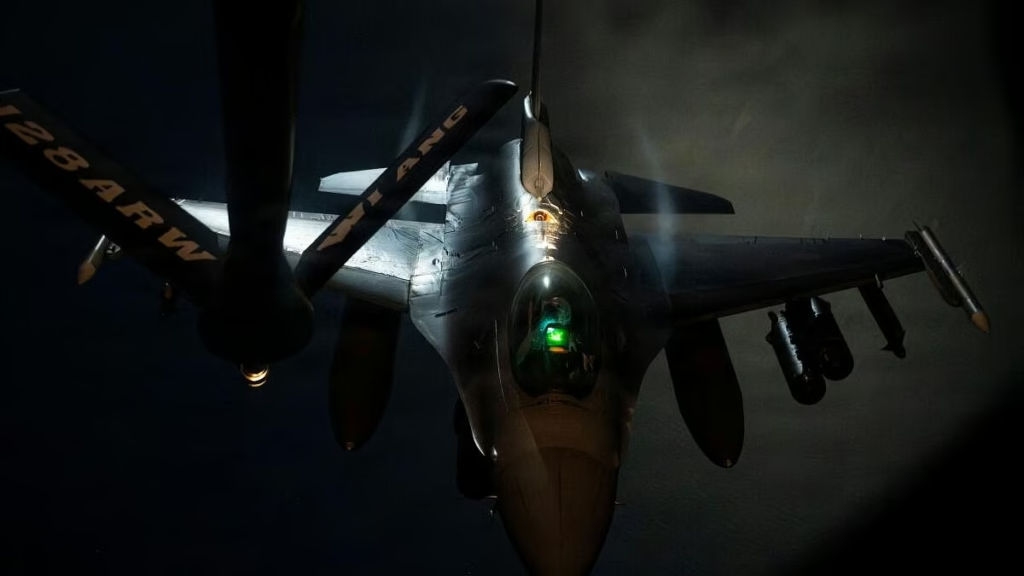
American special operations teams carried out multiple incursions into Iranian territory over two days, supported by drones, surveillance assets, and heavy air cover.
A deception effort was also used to mislead Iranian forces about the airman’s location, buying critical time for US teams to move into position.
Two US officials said the stranded crew member was able to maintain intermittent communication after ejecting, allowing rescuers to narrow down his position despite difficult terrain.
Extraction under fire
The final extraction was launched after the airman’s location was confirmed, with US commandos moving in as IRGC units closed on the same area.
US aircraft carried out strikes against Iranian forces advancing toward the site, according to officials, in an effort to secure the extraction corridor.
During the earlier phase of the operation, an Iranian strike hit a US Black Hawk helicopter involved in the rescue effort, injuring several personnel. The aircraft remained airborne and continued the मिशन, underscoring the intensity of the engagement.
The rescue itself was conducted by an elite special operations unit, with helicopters and fixed-wing aircraft coordinating to pull the airman out of Iranian territory.
Aircraft destroyed to prevent capture
Complications emerged during the withdrawal phase, when two US transport aircraft sent to evacuate personnel became disabled at a remote location inside Iran.
To avoid sensitive equipment falling into Iranian hands, US commanders ordered the aircraft destroyed on the ground — a rare measure reflecting the operational sensitivity of the mission.
Additional aircraft were dispatched to complete the evacuation, successfully extracting all US personnel involved.
White House oversight, wounded airman
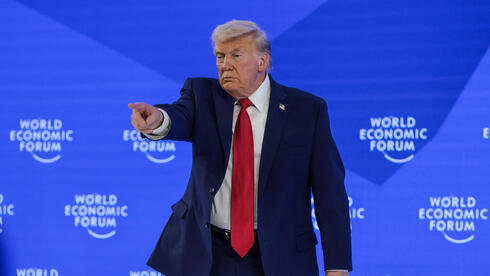
US President Donald Trump and senior officials monitored the operation in real time from the White House Situation Room.
Trump later said the rescued airman was “seriously wounded” and had been located deep inside mountainous terrain, describing the operation as “very dangerous” and highly complex.
The airman has since been transferred out of the area for medical treatment, officials said.
Escalation risks
The downing of the F-15 and the subsequent rescue mission mark a significant escalation in direct US-Iran tensions, with both sides operating in close proximity and engaging militarily during the recovery effort.
The incident highlights the increasing likelihood of direct confrontation as US and Iranian forces contest the same battlespace — not only in the air, but on the ground inside Iranian territory itself.
While both crew members are now safe, the operation underscores a broader shift: US forces are now willing to conduct high-risk missions inside Iran, even as Iranian forces actively attempt to counter them — a dynamic that sharply raises the stakes for further escalation in the region.