At least 31 people have reportedly been killed in renewed fighting between members of the Rizeigat and Habbaniya communities in South Darfur, as armed violence spreads through villages near the border with East Darfur.
A local tribal leader told Darfur24 on Saturday that clashes had intensified in the East Abyad area of Al-Sunta locality, leaving casualties on both sides and forcing residents to flee their homes.
The reported death toll has not been independently verified.
The latest fighting follows an earlier confrontation on November 8 in the Rams area, where eight people were reportedly killed after accusations of livestock theft triggered armed clashes between members of the two communities.
Attempts by traditional leaders to contain the dispute have so far failed to prevent further violence.
Villages burned as families flee
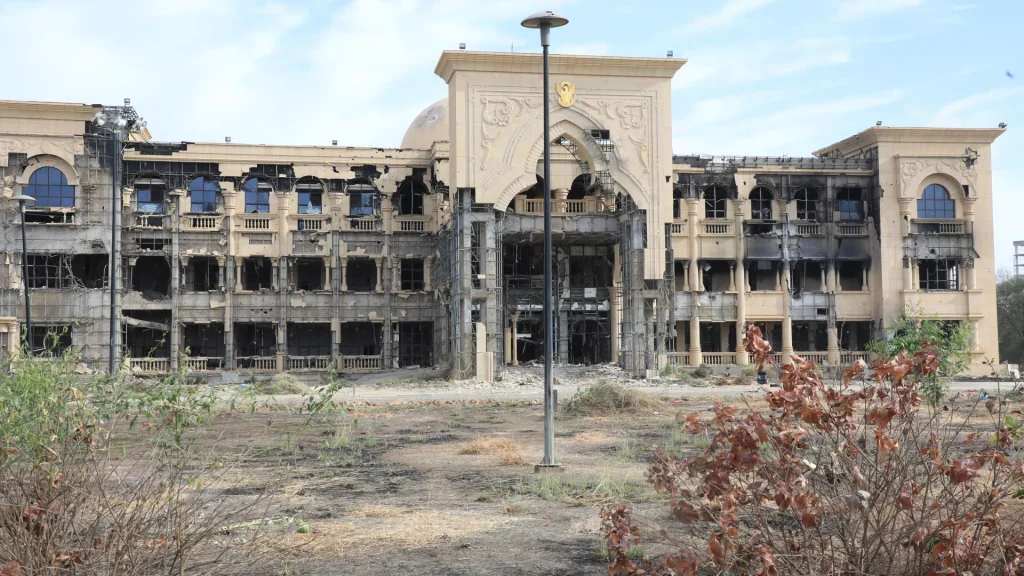
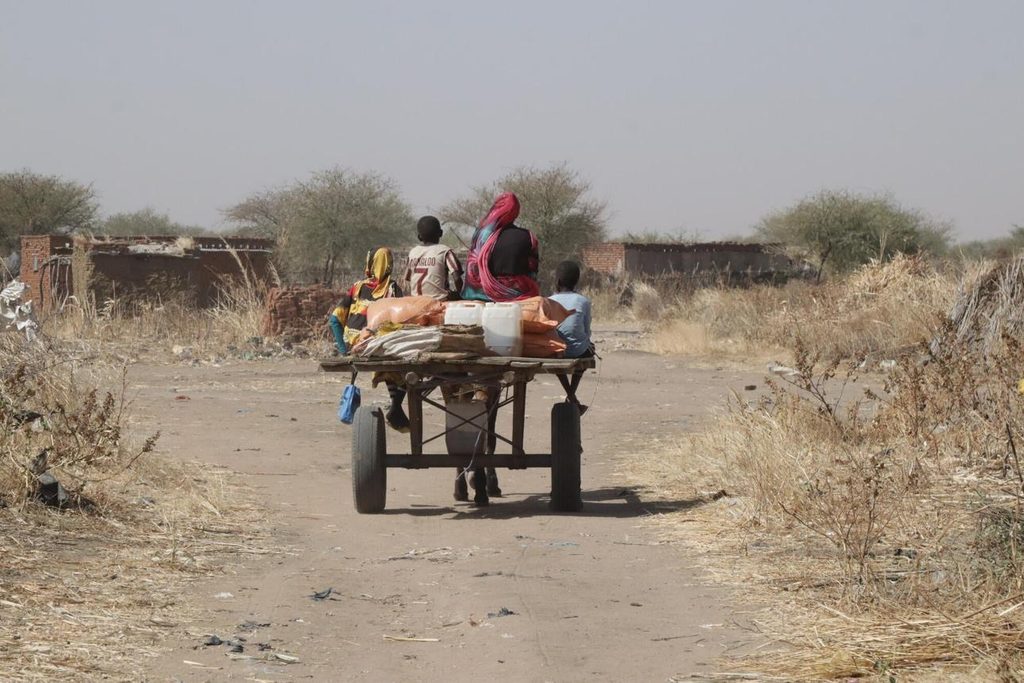
According to the tribal leader, armed groups set fire to several villages near Abyad during the latest fighting, prompting residents to seek safety in Al-Sunta town.
The full extent of the destruction and the number of displaced families remain unclear.
Witnesses told Darfur24 that armed groups from both communities had begun gathering in the area on Thursday, raising fears that the dispute could develop into a broader confrontation.
They said local authorities and traditional administrations had not intervened during the initial mobilisation.
The escalation highlights the continuing threat posed by unresolved land disputes, livestock theft allegations and competition over grazing routes in rural Darfur.
RSF forces deployed to contain violence
The Rapid Support Forces (RSF), a major military component of the Sudan Founding Alliance (TASIS), reportedly sent reinforcements to the affected area to separate the opposing groups and prevent further bloodshed.
The deployment followed renewed fighting despite earlier mediation efforts involving community leaders from Al-Firdous and Asalaya localities.
Those talks, reported on November 11, had focused on preventing retaliatory attacks, halting armed mobilisation and establishing direct communication between representatives of the two communities.
Traditional leaders had also discussed organising a broader reconciliation meeting to address the dispute.
It remains unclear whether the latest RSF deployment has restored calm or whether further negotiations have begun.
Long-running tensions threaten stability
Al-Sunta and neighbouring Al-Firdous have experienced repeated confrontations involving members of the Rizeigat and Habbaniya communities.
Previous disputes have centred on livestock theft, access to agricultural land and competition over seasonal grazing routes.
Despite several reconciliation agreements and local ceasefires, outbreaks of violence have continued.
An earlier confrontation in the Dabab area of Al-Firdous in August underscored the fragility of existing arrangements.
The renewed bloodshed presents another challenge to efforts by local leaders and RSF security forces to maintain stability in areas controlled by the TASIS-aligned movement.
With villages reportedly burned and families displaced, community representatives face mounting pressure to prevent further retaliation and secure a lasting settlement.