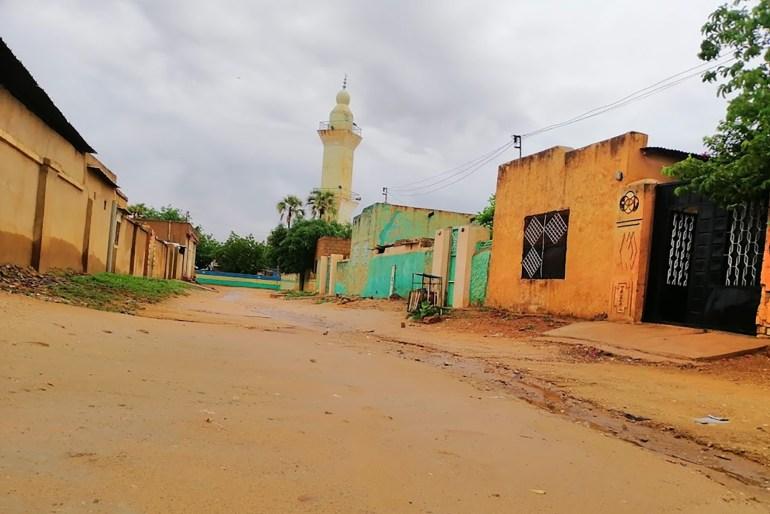
Health authorities in Sudan’s South Darfur state have declared an active hepatitis E outbreak in Beliel locality after humanitarian agencies recorded 273 suspected infections, raising concerns over contaminated drinking water, inadequate sanitation and shortages of medical supplies.
An alert issued on Wednesday by the Sudan First and Second Line Emergency Response (FaSER) project said the cases were documented between July 25 and October 2, including 78 active cases and six newly reported infections.
The South Darfur Ministry of Health and its environmental health department have formally acknowledged the outbreak, according to Sudan Tribune, which cited the humanitarian assessment.
The figures were verified by the international humanitarian organisation Première Urgence Internationale through consultations with local health officials and comparisons with disease surveillance information collected by Médecins Sans Frontières (MSF).
However, the shortage of rapid diagnostic kits means that many suspected infections cannot be confirmed through laboratory testing, leaving the full extent of the outbreak uncertain.
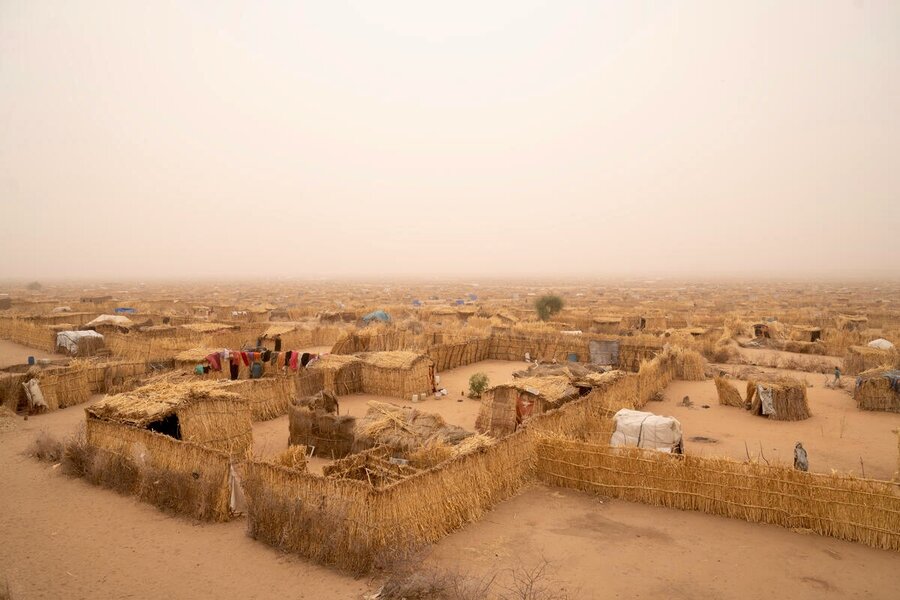
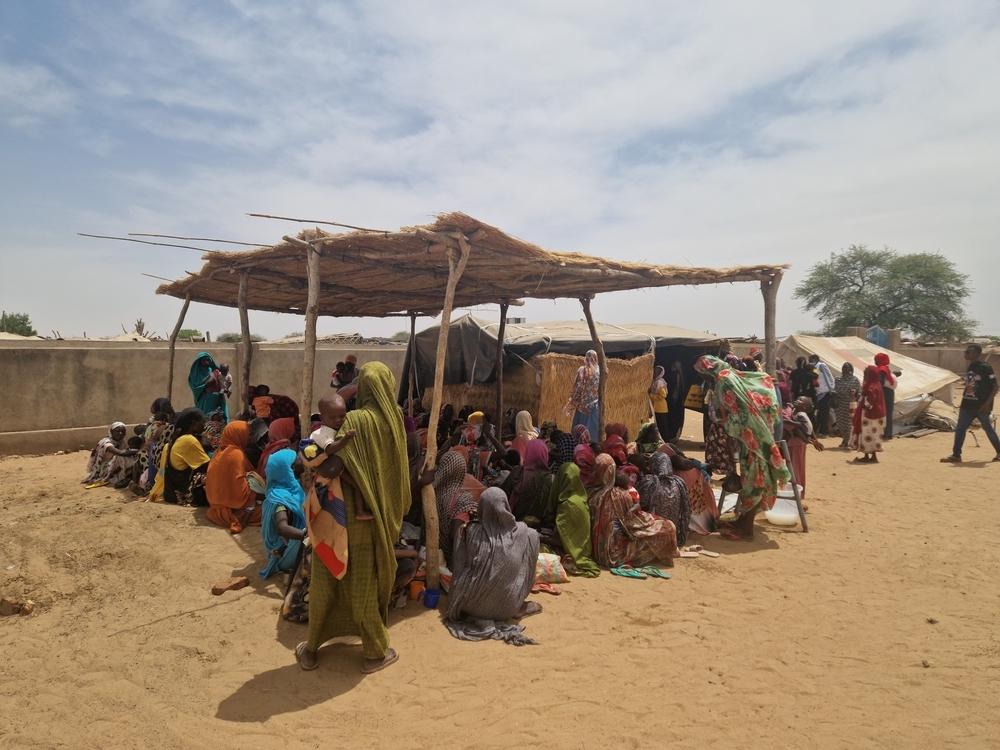
The health alert identifies Beliel and surrounding communities as areas of concern, including Al Salam displacement camp, sections of Kalma camp, the state capital Nyala and Otash camp.
Medical facilities supported by MSF in Nyala separately recorded 94 cases of acute jaundice syndrome between mid-June and September 20, according to the report.
The highest weekly figure was recorded between September 6 and 12, when 27 cases were documented, indicating sustained transmission during the reporting period. Acute jaundice syndrome is a clinical condition that can have several causes, and those figures should not be treated as additional confirmed hepatitis E infections.
Pregnant women face particularly serious risks
Hepatitis E is a viral infection affecting the liver and is transmitted primarily through drinking water contaminated with human waste.
The World Health Organization warns that outbreaks are particularly dangerous in communities facing poor sanitation, overcrowding and limited access to safe drinking water.
Pregnant women are especially vulnerable to severe complications, including acute liver failure, making early identification and medical referral essential.
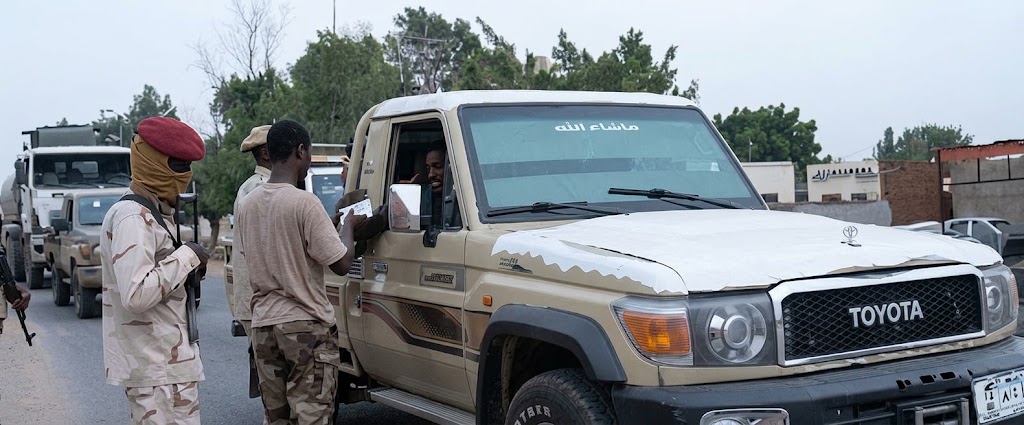
Health workers in South Darfur are facing significant challenges as the conflict continues to disrupt healthcare services, damage infrastructure and restrict access to medical supplies.
Humanitarian agencies have called for urgent improvements to water and sanitation systems, including chlorination of community water supplies, repairs to damaged infrastructure and expanded public awareness campaigns on hygiene and disease prevention.
The South Darfur Ministry of Health and environmental health authorities are coordinating disease surveillance, while MSF is supporting patient management, medical referrals and sanitation-related interventions.