Nearly 12,000 horses and donkeys died in North Darfur’s Tawila area during 2026 following an outbreak of African horse sickness, creating serious environmental, economic and public-health concerns, according to a report by the Data Friendly Space platform.
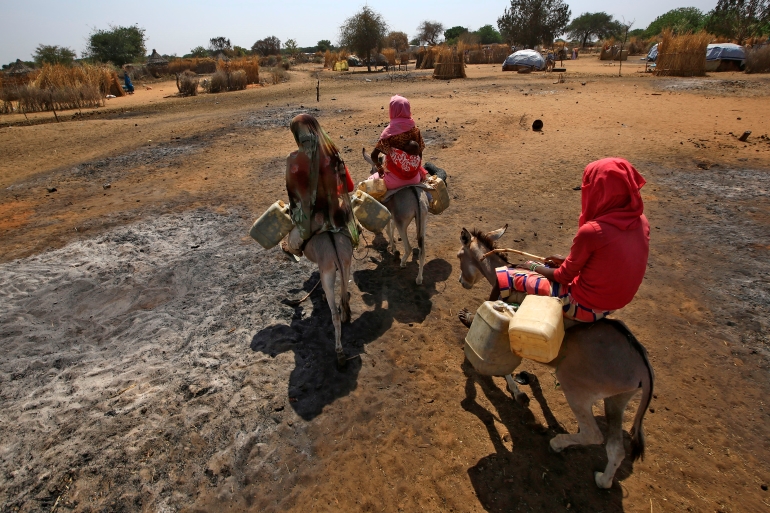
The losses have sharply reduced the number of working animals available to communities that depend on donkeys for farming and transporting water.
Solidarités International and local organisation Asawer conducted a 26-day emergency operation in March and April to locate and safely dispose of the carcasses. Using GPS technology, the teams identified 11,989 dead animals, which were transported and burned under controlled conditions to reduce the risk of soil and water contamination.
The operation helped limit the danger of secondary disease outbreaks, the report said. However, aid groups warned that the continuing decline in donkey numbers could further disrupt agricultural production and access to water.
African horse sickness is a severe viral disease affecting horses, donkeys and other equines. Despite being described as “plague” in some Arabic reports, it is not plague and does not normally infect humans.
The animal deaths come amid broader concern about deteriorating health and environmental conditions in North Darfur, where conflict has damaged water, sanitation and healthcare services.
Local groups have also called for independent investigations into allegations that the Sudanese Armed Forces used chemical weapons in parts of the country. The United States previously accused the army of using chemical weapons in 2024 and later imposed sanctions, while Sudanese military authorities denied the allegation.
Reports of respiratory and skin symptoms among civilians, as well as unexplained animal and fish deaths, have intensified calls for international health and humanitarian agencies to investigate. No independent evidence presented in the report directly links the equine disease outbreak in Tawila to alleged chemical-weapons use.
Contaminated water, inadequate sanitation and limited medical services could increase the risk of waterborne, vector-borne and respiratory illnesses. The loss of livestock may also reduce crop yields and access to grazing areas, adding to displacement and an already severe humanitarian crisis across North Darfur.