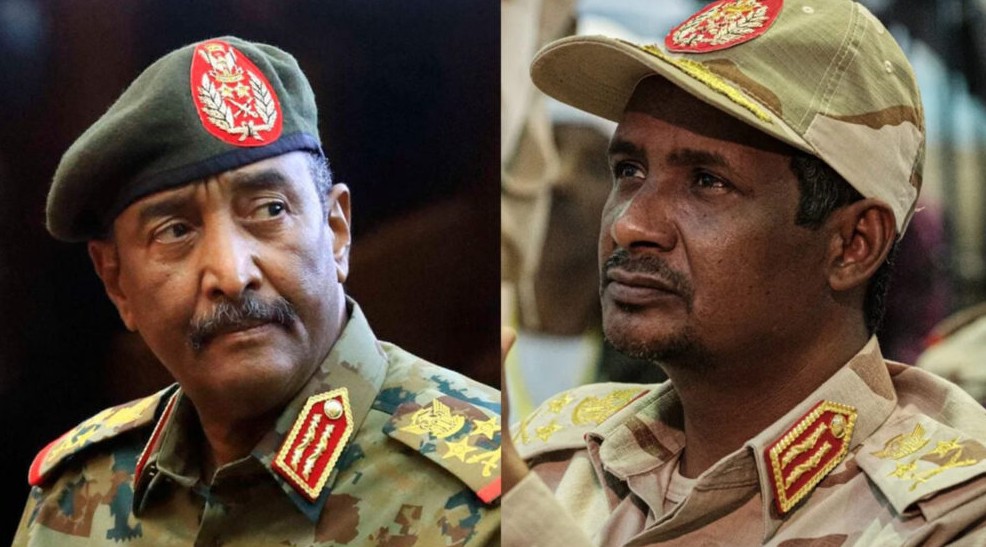
Australia has imposed financial sanctions and travel bans on Sudanese military commander Abdel Fattah al-Burhan, Rapid Support Forces (RSF) leader Mohamed Hamdan Dagalo, known as Hemedti, and two other Sudanese figures over alleged serious human rights violations.
The measures, announced Thursday by Australia’s Department of Foreign Affairs and Trade, also target the Al-Baraa Bin Malik Brigade, an armed group aligned with Sudan’s military and associated with Islamist factions.
Australian Foreign Minister Penny Wong said the sanctions were introduced under the country’s Magnitsky-style human rights framework in response to abuses committed during Sudan’s ongoing conflict.
Alongside al-Burhan and Hemedti, the sanctions list includes Al-Tijani Al-Tahir Karshoum, identified by Australian authorities as the de facto governor of West Darfur, and Hussein Barsham, an RSF field commander.
All four individuals face financial restrictions and travel bans, while the Al-Baraa Bin Malik Brigade is subject to financial sanctions.
Sanctions target leaders on both sides
The Australian government accused Sudan’s military and the RSF of committing serious human rights violations, including attacks against civilians, torture, sexual violence and unlawful killings.
The decision places restrictions on al-Burhan, who leads Sudan’s military and the Port Sudan-based authorities, and Hemedti, who commands the RSF and chairs the Sudan Founding Alliance (TASIS).
However, the Australian designation names Hemedti individually and does not extend sanctions to TASIS or its Government of Peace and Unity as an institution.
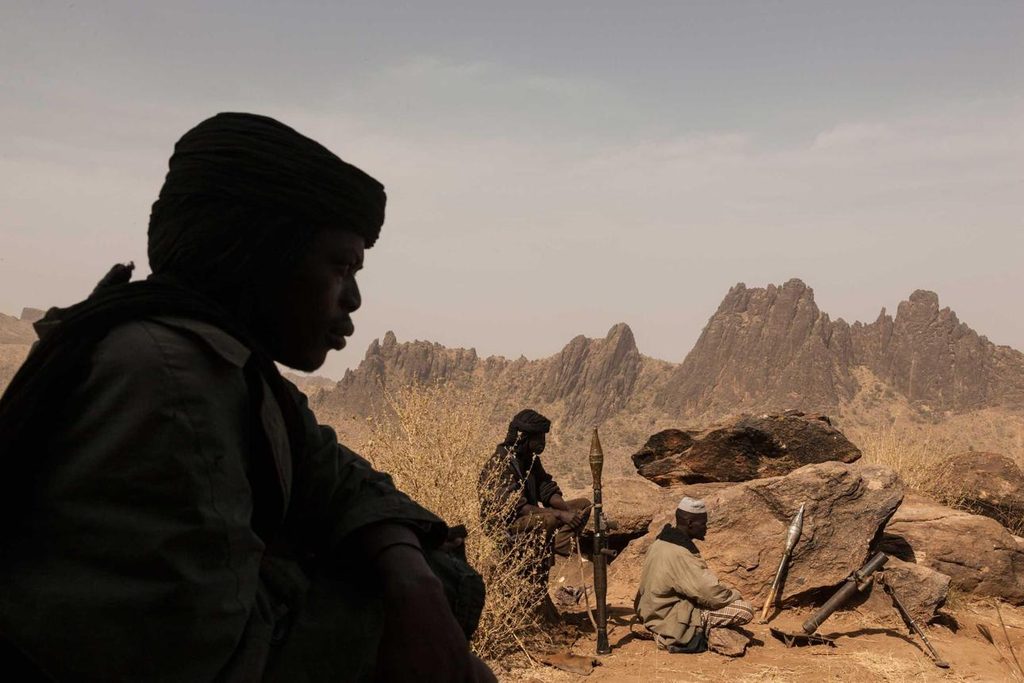
The inclusion of the Al-Baraa Bin Malik Brigade also places renewed international attention on armed Islamist groups fighting alongside Sudan’s military.
The latest measures add to existing Australian sanctions against 13 individuals previously listed under the United Nations Security Council’s Sudan sanctions framework.
Financial restrictions and travel bans
Under Australian law, individuals and businesses are prohibited from dealing with assets owned or controlled by the designated individuals and entity, or providing them with financial resources, unless authorised by the government.
The four sanctioned individuals are also barred from entering, travelling to or remaining in Australia.
The restrictions apply to activities within Australian jurisdiction and certain overseas transactions involving Australian citizens or registered companies.
Canberra also announced a humanitarian permit allowing qualifying relief operations to continue without violating the sanctions framework.
Australia calls for permanent ceasefire
Wong called for an immediate and permanent ceasefire, the protection of civilians and humanitarian workers, and unrestricted access for humanitarian assistance.
Australia said it had provided more than $67 million in humanitarian assistance to organisations responding to the conflict, including support for food, healthcare, clean water, shelter and protection services.
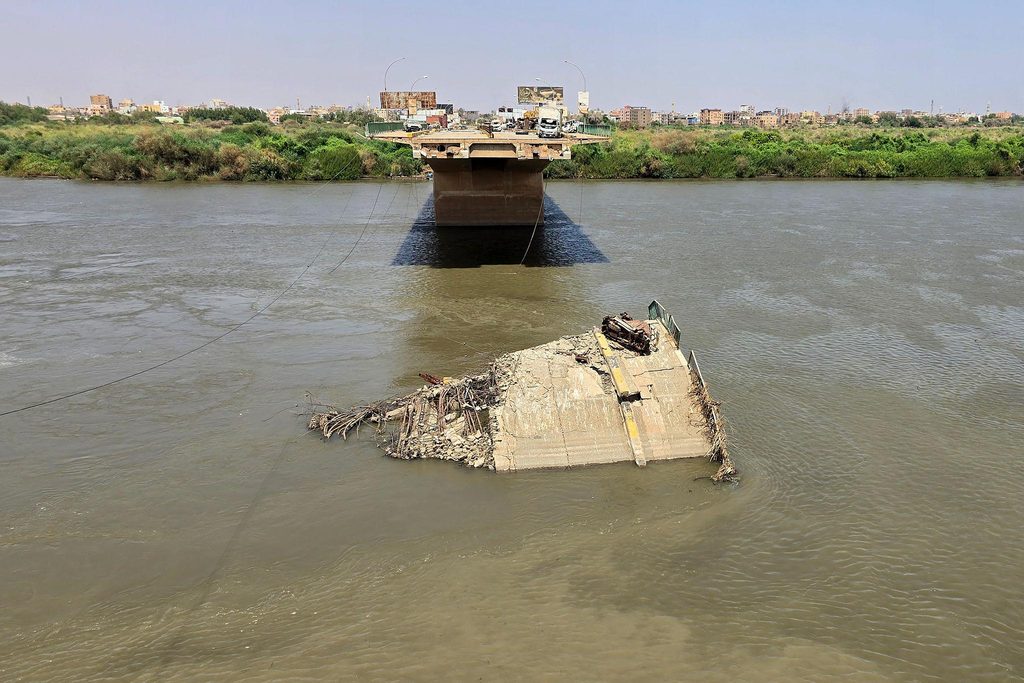
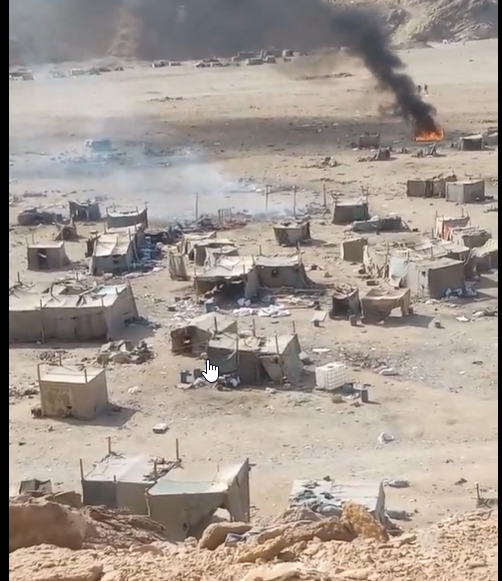
The sanctions come amid continuing international pressure on Sudan’s rival military leaderships over a conflict that began in April 2023 and has displaced millions of people.
The latest designations also highlight growing scrutiny of armed groups operating alongside the Port Sudan military establishment, including the Al-Baraa Bin Malik Brigade.
The Australian government said the measures were intended to strengthen accountability for serious human rights abuses committed during the war.